✨ Calm support for bedtime, focus and overwhelm, Free for 14 days. No card needed
✨ Calm support for bedtime, focus and overwhelm, Free for 14 days. No card needed
✨ Start your free trial today!
Sound Therapy vs Music Therapy: The Critical Difference Parents Miss
Sound Therapy vs Music Therapy: The Critical Difference Parents Miss
Your child tried music therapy. It didn't work. Now you're wondering if anything sound-based will ever help.
Here's what nobody told you: music therapy and sound therapy are completely different approaches. And when you're comparing sound therapy vs music therapy, that difference could explain everything.
One asks something of your child. The other asks nothing at all.
If your little one struggled in music therapy sessions, it doesn't mean sound won't help them. It might just mean they needed something that didn't require participation. Something they could receive instead of perform.
We've talked to hundreds of parents who came to us after music therapy didn't quite fit. Not because music therapy failed their child, but because it wasn't right for that particular child in that particular moment. Once they understood the distinction between passive and active approaches, the missing piece clicked into place.
The Real Difference: Active Engagement vs Passive Listening
Picture a music therapy session. Your child sits with a trained therapist. There are instruments to hold, rhythms to follow, songs to sing together. The therapist guides, your child responds. It's interactive. Purposeful. Structured.
The American Music Therapy Association, 2024 defines it as "the clinical and evidence-based use of music interventions to accomplish individualised goals within a therapeutic relationship."
That phrase "therapeutic relationship" is key. Music therapy happens in a session with a qualified professional. Your child engages, responds, and participates.
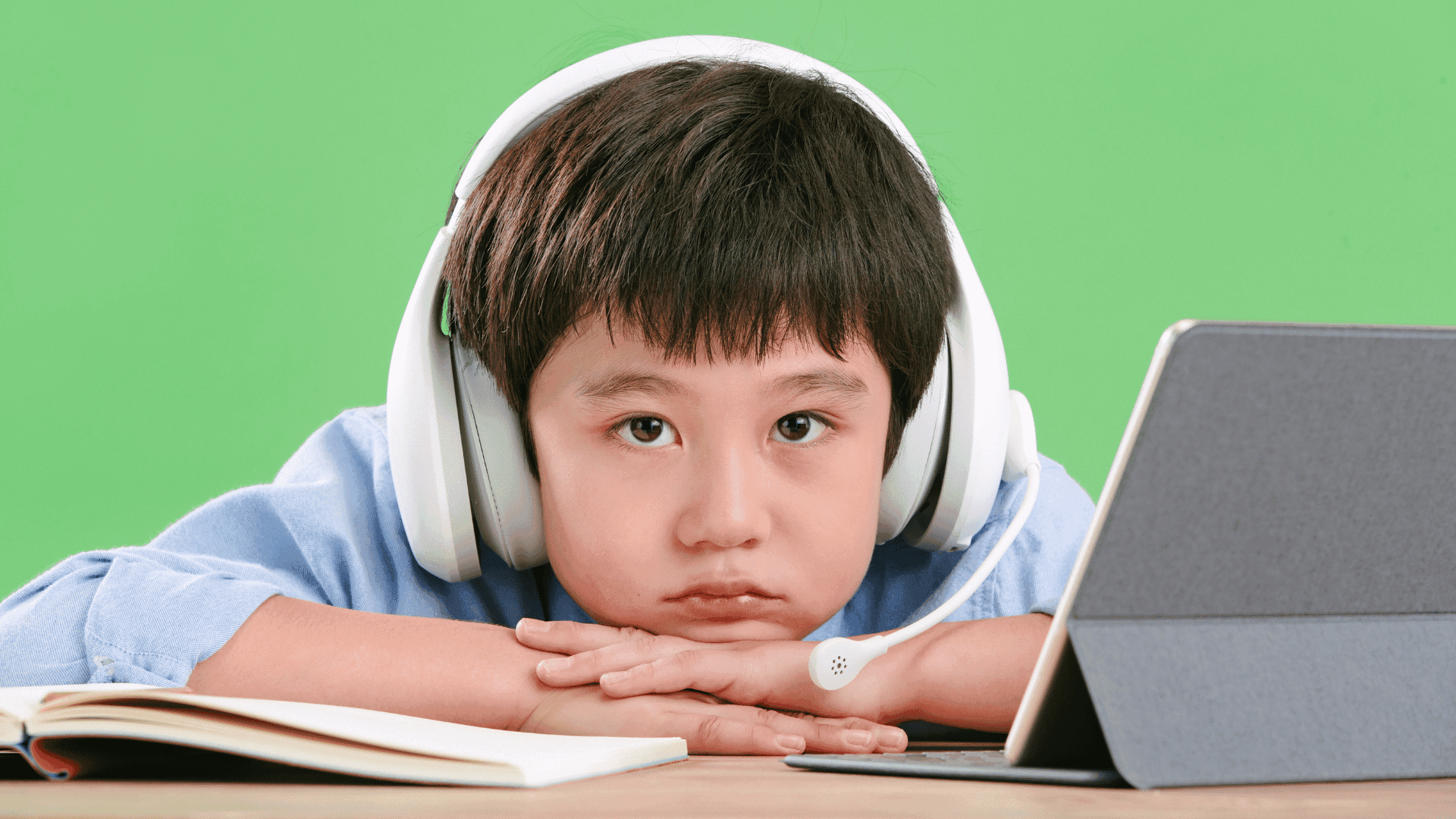
Now picture sound therapy. Your child lies in bed, headphones on, eyes closed. Nothing happens. No instructions. No responses expected. Just sounds washing over them while their nervous system settles.
That's the difference between sound therapy and music therapy. One requires participation. The other simply arrives.
Neither is better. They do different jobs. But if you're trying to work out which might suit your child right now, that distinction changes everything.
Why This Distinction Matters for Neurodivergent Children
Think about your child at their most overwhelmed. Mid-meltdown. End of a school day when everything feels like too much. Bedtime when their racing brain refuses to switch off.
In those moments, can they follow instructions? Respond to prompts? Participate in anything at all?
For most neurodivergent children, the answer is no. And that's not a failing. It's simply how their nervous system works under stress. When the tank is empty, there's nothing left to give.
Music therapy requires engagement. It works brilliantly for many children, but it needs capacity. Your child needs enough regulation to participate in the session, follow the therapist's guidance, and respond to musical cues. They need to have something left.
Sound therapy asks nothing.
Your child can lie in bed, sit in a car seat, curl up on the sofa, or hide under a blanket. The sounds work whether or not they're consciously listening. No demands. No expectations. No performance.
For children who are already running on empty, that difference is everything.
What Music Therapy Actually Involves
Music therapy in the UK is delivered by HCPC-registered music therapists. According to the British Association for Music Therapy, 2024, it's "a specialised form of therapy that uses music and musical activities to address physical, emotional, cognitive and social needs."
A typical session might include:
Singing songs together
Playing percussion instruments
Moving to music
Improvising sounds and rhythms
Listening to specific pieces and discussing responses
Using music to practise social skills or communication
The therapist tailors activities to your child's goals. For an autistic child, that might focus on communication. For a child with anxiety, it might centre on emotional expression. The relationship between therapist and child is central to the process.
Music therapy has a strong evidence base. A Cochrane review, 2022 found that music therapy may help improve social interaction, communication, and quality of life for autistic people, though researchers note more studies are needed.
None of this is criticism. Music therapy helps many children beautifully. But it requires something of your child: the capacity to engage. On a good day, that might be there. On a hard day, it might not.
What Sound Therapy Actually Involves
Sound therapy is an umbrella term for approaches that use specific sounds, frequencies, or sonic environments to support wellbeing. If you want to go deeper into understanding the different types of sound therapy, we've written a detailed guide covering the various modalities.
The key feature: passive listening. Your child doesn't participate in a therapeutic relationship. They simply receive the sounds.
This might include:
ASMR sounds and soundscapes
Binaural beats (frequencies that create specific brainwave patterns)
Solfeggio frequencies
Nature sounds and ambient audio
Gentle narration and calming stories
Some sound therapy happens in clinical settings with practitioners. But much of it, including what we offer at HushAway, can happen at home. No appointments to schedule. No waiting lists. No getting your child dressed and out the door when they're already struggling.
Just press play.
For an exhausted parent trying to support an overwhelmed child, that accessibility changes everything.
When Music Therapy Might Be the Better Choice
Music therapy works particularly well when your child:
Has capacity for engagement (even limited capacity)
Benefits from relationship-based interventions
Enjoys making music or has musical interests
Has specific goals around communication or social skills
Can attend regular sessions (usually weekly)
Responds well to structured activities
If your child lights up when music comes on, loves instruments, or connects well with adults, music therapy might be brilliant for them. The active engagement is a feature, not a bug. It provides structure, relationship, and purposeful activity.
Music therapy also offers something sound therapy can't: the therapeutic relationship itself. For some children, that connection with a caring professional changes everything.
When Sound Therapy Might Be the Better Choice
Sound therapy tends to work well when your child:
Is already overwhelmed or in crisis
Can't engage with active approaches right now
Needs support during transitions (bedtime, school runs, after school)
Struggles with demands, even gentle ones
Benefits from sensory input without interaction
Needs something that works at 2am or during a meltdown in the back of the car
If previous attempts at therapy sessions felt like one more demand on an already stretched child, passive approaches might be the gentler option. Sometimes the kindest thing is to stop asking anything of them at all.
Sound therapy also works as maintenance support. Not replacement for therapy, but daily regulation help between sessions or when professional support isn't available.
Can You Use Both?
Absolutely. And that's often the ideal approach.
Music therapy for structured, goal-focused work when your child has capacity. Sound therapy for daily regulation, crisis moments, and the times when engagement just isn't possible.
Think of it like exercise and rest. You need both. Active work builds skills and capacity. Passive support helps recovery and regulation. One doesn't replace the other.
Some children use music therapy weekly and sound therapy daily. The music therapy session provides the relationship and skill-building. The sound therapy at home fills the gaps, providing moment-to-moment regulation support when the therapist isn't there.
They're complementary, not competing.
The Research Picture: What We Actually Know
We believe in honesty about evidence. If you want the full picture, our article on evidence supporting both approaches goes into detail about what research tells us.
The short version: music therapy has a stronger evidence base. More studies, more rigorous methodology, more consistent findings. The Cochrane review we mentioned earlier represents decades of research.
Sound therapy research is more mixed. Some approaches have promising early evidence. Others have limited or no quality studies behind them. The field is newer and less standardised.
Does that mean music therapy is "better"? Not necessarily. It means we know more about it. And it means choosing based on your child's needs and capacity makes more sense than choosing based on research volume alone.
If your child can engage with music therapy, the evidence supports it. If your child can't engage right now, an approach that requires nothing of them might still help, even if the evidence base is developing. For a comprehensive overview of all approaches, see our complete guide to sound therapy for children.
What About Music Therapy vs Sound Healing?
You might also see the term "sound healing" used. This typically refers to practices using specific instruments like singing bowls, gongs, or tuning forks. It often includes spiritual or holistic framing.
Sound healing sits somewhere between music therapy and sound therapy. It's usually practitioner-led but more passive than music therapy. Your child receives the sounds rather than creating them.
For parents researching options, the same question applies: does your child have capacity for a session with a practitioner? If yes, sound healing might work. If not, home-based passive listening might be more realistic.
Practical Questions to Help You Decide
Ask yourself:
Right now, can my child engage with a practitioner?
If yes, music therapy could work well. If no, start with passive approaches.
What does my child need support with?
Communication and social goals often suit music therapy. Daily regulation and crisis support often suit sound therapy.
Do we have access to a music therapist?
Waiting lists can be long. Sound therapy at home is available immediately.
Has my child struggled with therapy sessions before?
If demands felt overwhelming, passive approaches remove that barrier.
What's our budget?
Music therapy sessions cost money. Many sound therapy options are free or low-cost.
When does my child need support?
If it's 2am or during a car journey meltdown, sound therapy is there. Music therapy happens in scheduled sessions.
The Real Question: What Does Your Child Need Right Now?
Comparing sound therapy or music therapy isn't about finding the "better" option. It's about finding what fits your child at this moment. Today. Not where you hope they'll be in six months.
Some children do brilliantly with music therapy from the start. Others need to build regulation capacity through passive approaches first, then gradually move to more active engagement. Some use both indefinitely.
What matters is meeting your child where they are. If they can't engage, don't force engagement. Start with what asks nothing of them. You can always add active approaches later when capacity increases.
And if you've tried music therapy and it didn't work? That doesn't mean you failed. It doesn't mean your child failed. It might just mean they needed something that required less of them. Something that met them in their struggle instead of asking them to rise above it.
Where to Start
If you're curious about what sound therapy actually involves, we've created a foundation guide that explains the different types, from ASMR to binaural beats to solfeggio frequencies.
If you're ready to try passive listening, The Sound Sanctuary offers a library of sounds designed specifically for neurodivergent children. No appointments to book. No demands on your child. No effort required from you. Just press play and see what happens.
Tonight, when bedtime feels hard or your child can't settle, you could try a different approach. One that asks nothing of either of you.
One quiet moment might be exactly what your child needs right now.
Your child tried music therapy. It didn't work. Now you're wondering if anything sound-based will ever help.
Here's what nobody told you: music therapy and sound therapy are completely different approaches. And when you're comparing sound therapy vs music therapy, that difference could explain everything.
One asks something of your child. The other asks nothing at all.
If your little one struggled in music therapy sessions, it doesn't mean sound won't help them. It might just mean they needed something that didn't require participation. Something they could receive instead of perform.
We've talked to hundreds of parents who came to us after music therapy didn't quite fit. Not because music therapy failed their child, but because it wasn't right for that particular child in that particular moment. Once they understood the distinction between passive and active approaches, the missing piece clicked into place.
The Real Difference: Active Engagement vs Passive Listening
Picture a music therapy session. Your child sits with a trained therapist. There are instruments to hold, rhythms to follow, songs to sing together. The therapist guides, your child responds. It's interactive. Purposeful. Structured.
The American Music Therapy Association, 2024 defines it as "the clinical and evidence-based use of music interventions to accomplish individualised goals within a therapeutic relationship."
That phrase "therapeutic relationship" is key. Music therapy happens in a session with a qualified professional. Your child engages, responds, and participates.
Now picture sound therapy. Your child lies in bed, headphones on, eyes closed. Nothing happens. No instructions. No responses expected. Just sounds washing over them while their nervous system settles.
That's the difference between sound therapy and music therapy. One requires participation. The other simply arrives.
Neither is better. They do different jobs. But if you're trying to work out which might suit your child right now, that distinction changes everything.
Why This Distinction Matters for Neurodivergent Children
Think about your child at their most overwhelmed. Mid-meltdown. End of a school day when everything feels like too much. Bedtime when their racing brain refuses to switch off.
In those moments, can they follow instructions? Respond to prompts? Participate in anything at all?
For most neurodivergent children, the answer is no. And that's not a failing. It's simply how their nervous system works under stress. When the tank is empty, there's nothing left to give.
Music therapy requires engagement. It works brilliantly for many children, but it needs capacity. Your child needs enough regulation to participate in the session, follow the therapist's guidance, and respond to musical cues. They need to have something left.
Sound therapy asks nothing.
Your child can lie in bed, sit in a car seat, curl up on the sofa, or hide under a blanket. The sounds work whether or not they're consciously listening. No demands. No expectations. No performance.
For children who are already running on empty, that difference is everything.
What Music Therapy Actually Involves
Music therapy in the UK is delivered by HCPC-registered music therapists. According to the British Association for Music Therapy, 2024, it's "a specialised form of therapy that uses music and musical activities to address physical, emotional, cognitive and social needs."
A typical session might include:
Singing songs together
Playing percussion instruments
Moving to music
Improvising sounds and rhythms
Listening to specific pieces and discussing responses
Using music to practise social skills or communication
The therapist tailors activities to your child's goals. For an autistic child, that might focus on communication. For a child with anxiety, it might centre on emotional expression. The relationship between therapist and child is central to the process.
Music therapy has a strong evidence base. A Cochrane review, 2022 found that music therapy may help improve social interaction, communication, and quality of life for autistic people, though researchers note more studies are needed.
None of this is criticism. Music therapy helps many children beautifully. But it requires something of your child: the capacity to engage. On a good day, that might be there. On a hard day, it might not.
What Sound Therapy Actually Involves
Sound therapy is an umbrella term for approaches that use specific sounds, frequencies, or sonic environments to support wellbeing. If you want to go deeper into understanding the different types of sound therapy, we've written a detailed guide covering the various modalities.
The key feature: passive listening. Your child doesn't participate in a therapeutic relationship. They simply receive the sounds.
This might include:
ASMR sounds and soundscapes
Binaural beats (frequencies that create specific brainwave patterns)
Solfeggio frequencies
Nature sounds and ambient audio
Gentle narration and calming stories
Some sound therapy happens in clinical settings with practitioners. But much of it, including what we offer at HushAway, can happen at home. No appointments to schedule. No waiting lists. No getting your child dressed and out the door when they're already struggling.
Just press play.
For an exhausted parent trying to support an overwhelmed child, that accessibility changes everything.
When Music Therapy Might Be the Better Choice
Music therapy works particularly well when your child:
Has capacity for engagement (even limited capacity)
Benefits from relationship-based interventions
Enjoys making music or has musical interests
Has specific goals around communication or social skills
Can attend regular sessions (usually weekly)
Responds well to structured activities
If your child lights up when music comes on, loves instruments, or connects well with adults, music therapy might be brilliant for them. The active engagement is a feature, not a bug. It provides structure, relationship, and purposeful activity.
Music therapy also offers something sound therapy can't: the therapeutic relationship itself. For some children, that connection with a caring professional changes everything.
When Sound Therapy Might Be the Better Choice
Sound therapy tends to work well when your child:
Is already overwhelmed or in crisis
Can't engage with active approaches right now
Needs support during transitions (bedtime, school runs, after school)
Struggles with demands, even gentle ones
Benefits from sensory input without interaction
Needs something that works at 2am or during a meltdown in the back of the car
If previous attempts at therapy sessions felt like one more demand on an already stretched child, passive approaches might be the gentler option. Sometimes the kindest thing is to stop asking anything of them at all.
Sound therapy also works as maintenance support. Not replacement for therapy, but daily regulation help between sessions or when professional support isn't available.
Can You Use Both?
Absolutely. And that's often the ideal approach.
Music therapy for structured, goal-focused work when your child has capacity. Sound therapy for daily regulation, crisis moments, and the times when engagement just isn't possible.
Think of it like exercise and rest. You need both. Active work builds skills and capacity. Passive support helps recovery and regulation. One doesn't replace the other.
Some children use music therapy weekly and sound therapy daily. The music therapy session provides the relationship and skill-building. The sound therapy at home fills the gaps, providing moment-to-moment regulation support when the therapist isn't there.
They're complementary, not competing.
The Research Picture: What We Actually Know
We believe in honesty about evidence. If you want the full picture, our article on evidence supporting both approaches goes into detail about what research tells us.
The short version: music therapy has a stronger evidence base. More studies, more rigorous methodology, more consistent findings. The Cochrane review we mentioned earlier represents decades of research.
Sound therapy research is more mixed. Some approaches have promising early evidence. Others have limited or no quality studies behind them. The field is newer and less standardised.
Does that mean music therapy is "better"? Not necessarily. It means we know more about it. And it means choosing based on your child's needs and capacity makes more sense than choosing based on research volume alone.
If your child can engage with music therapy, the evidence supports it. If your child can't engage right now, an approach that requires nothing of them might still help, even if the evidence base is developing. For a comprehensive overview of all approaches, see our complete guide to sound therapy for children.
What About Music Therapy vs Sound Healing?
You might also see the term "sound healing" used. This typically refers to practices using specific instruments like singing bowls, gongs, or tuning forks. It often includes spiritual or holistic framing.
Sound healing sits somewhere between music therapy and sound therapy. It's usually practitioner-led but more passive than music therapy. Your child receives the sounds rather than creating them.
For parents researching options, the same question applies: does your child have capacity for a session with a practitioner? If yes, sound healing might work. If not, home-based passive listening might be more realistic.
Practical Questions to Help You Decide
Ask yourself:
Right now, can my child engage with a practitioner?
If yes, music therapy could work well. If no, start with passive approaches.
What does my child need support with?
Communication and social goals often suit music therapy. Daily regulation and crisis support often suit sound therapy.
Do we have access to a music therapist?
Waiting lists can be long. Sound therapy at home is available immediately.
Has my child struggled with therapy sessions before?
If demands felt overwhelming, passive approaches remove that barrier.
What's our budget?
Music therapy sessions cost money. Many sound therapy options are free or low-cost.
When does my child need support?
If it's 2am or during a car journey meltdown, sound therapy is there. Music therapy happens in scheduled sessions.
The Real Question: What Does Your Child Need Right Now?
Comparing sound therapy or music therapy isn't about finding the "better" option. It's about finding what fits your child at this moment. Today. Not where you hope they'll be in six months.
Some children do brilliantly with music therapy from the start. Others need to build regulation capacity through passive approaches first, then gradually move to more active engagement. Some use both indefinitely.
What matters is meeting your child where they are. If they can't engage, don't force engagement. Start with what asks nothing of them. You can always add active approaches later when capacity increases.
And if you've tried music therapy and it didn't work? That doesn't mean you failed. It doesn't mean your child failed. It might just mean they needed something that required less of them. Something that met them in their struggle instead of asking them to rise above it.
Where to Start
If you're curious about what sound therapy actually involves, we've created a foundation guide that explains the different types, from ASMR to binaural beats to solfeggio frequencies.
If you're ready to try passive listening, The Sound Sanctuary offers a library of sounds designed specifically for neurodivergent children. No appointments to book. No demands on your child. No effort required from you. Just press play and see what happens.
Tonight, when bedtime feels hard or your child can't settle, you could try a different approach. One that asks nothing of either of you.
One quiet moment might be exactly what your child needs right now.
Make tomorrow feel easier
Whether it’s bedtime battles, big emotions or sensory overload, small sound moments can bring your child the reassurance and stability they need.



Make tomorrow feel easier
Whether it’s bedtime battles, big emotions or sensory overload, small sound moments can bring your child the reassurance and stability they need.
Make tomorrow feel easier
Whether it’s bedtime battles, big emotions or sensory overload, small sound moments can bring your child the reassurance and stability they need.
Founder & Creative Lead - The PeacePath® | Creator of HushAway® Neurodivergent Inclusive Coach | Voice Artist & Storyteller | Sound Therapy Practitioner