✨ Calm support for bedtime, focus and overwhelm, Free for 14 days. No card needed
✨ Calm support for bedtime, focus and overwhelm, Free for 14 days. No card needed
✨ Start your free trial today!

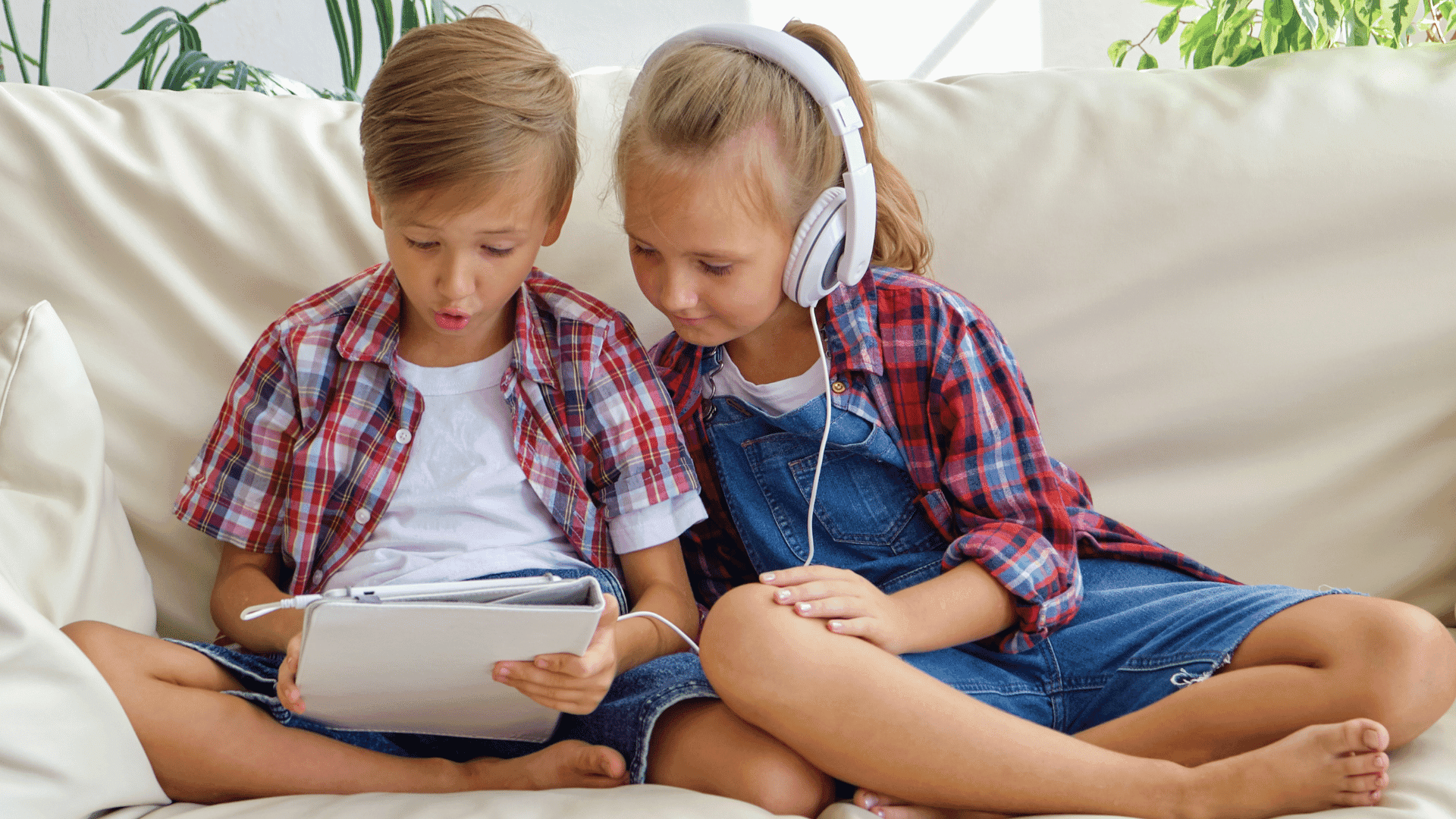
Helping Children Sleep More Easily Through Gentle Sound Support
Soft ASMR, Solfeggio frequencies and binaural beats help children unwind, settle and sleep more easily. A gentle parent guide to healthier night time routines.
In the Sound Sanctuary, you’ll find this in Hush at Home under Bedtime & Sleep.
Experience HushAway®
Experience HushAway®
A First Look Into Calmer Bedtimes
A First Look Into Calmer Bedtimes
These gentle sleep sounds give your child a soft way to unwind, slow down and let their body settle for the night. Created for sensitive and neurodivergent listeners, each sample offers a peaceful moment that can make bedtime feel safer, softer and easier to manage.
These gentle sleep sounds give your child a soft way to unwind, slow down and let their body settle for the night. Created for sensitive and neurodivergent listeners, each sample offers a peaceful moment that can make bedtime feel safer, softer and easier to manage.
Understanding Why Children Struggle With Sleep
Sleep is one of the foundations of healthy child development. When children rest well, their bodies recover, their minds process the day and their emotions settle more easily. When sleep is difficult, families often feel the impact across the entire day. Bedtimes stretch longer, mornings feel harder and children experience more emotional challenges.
Modern routines create many obstacles for healthy sleep. Screens, noise, stimulation and busy schedules prevent children from winding down. Many children carry sensory overload into the evening, which makes falling asleep or staying asleep much harder. Sensitive and neurodiverse children especially benefit from support that helps their nervous system shift into restful rhythms.
Understanding Why Children Struggle With Sleep
Sleep is one of the foundations of healthy child development. When children rest well, their bodies recover, their minds process the day and their emotions settle more easily. When sleep is difficult, families often feel the impact across the entire day. Bedtimes stretch longer, mornings feel harder and children experience more emotional challenges.
Modern routines create many obstacles for healthy sleep. Screens, noise, stimulation and busy schedules prevent children from winding down. Many children carry sensory overload into the evening, which makes falling asleep or staying asleep much harder. Sensitive and neurodiverse children especially benefit from support that helps their nervous system shift into restful rhythms.
How Sound Supports Healthier Sleep
Sound is a powerful tool for helping little minds relax. Gentle auditory cues guide the nervous system into slower, more peaceful patterns. HushAway® uses a blend of ASMR, Solfeggio frequencies and binaural beats to support the natural process of falling asleep.
Research into ASMR has found links with reduced anxiety and more relaxed states in some listeners, and theta and delta brainwaves are associated with early sleep and deeper rest.
These scientific insights play an important role in creating sound environments that support children who struggle to unwind.
How Sound Supports Healthier Sleep
Sound is a powerful tool for helping little minds relax. Gentle auditory cues guide the nervous system into slower, more peaceful patterns. HushAway® uses a blend of ASMR, Solfeggio frequencies and binaural beats to support the natural process of falling asleep.
Research into ASMR has found links with reduced anxiety and more relaxed states in some listeners, and theta and delta brainwaves are associated with early sleep and deeper rest.
These scientific insights play an important role in creating sound environments that support children who struggle to unwind.
The Role of ASMR in Bedtime Routines
ASMR uses gentle sounds such as soft brushing, tapping, whisper-like textures or rustling movements. These sounds help the brain shift away from busy thoughts and move toward slower, more restful processing. Children often respond strongly to the predictability and softness of ASMR because it mimics comforting sensory experiences.
Many children use ASMR during:
Pre-bedtime quiet play
Reading time
Bath-to-bed transitions
Moments of anxiety or restlessness
This helps them gradually release the sensory load from the day.
The Role of ASMR in Bedtime Routines
ASMR uses gentle sounds such as soft brushing, tapping, whisper-like textures or rustling movements. These sounds help the brain shift away from busy thoughts and move toward slower, more restful processing. Children often respond strongly to the predictability and softness of ASMR because it mimics comforting sensory experiences.
Many children use ASMR during:
Pre-bedtime quiet play
Reading time
Bath-to-bed transitions
Moments of anxiety or restlessness
This helps them gradually release the sensory load from the day.
How Solfeggio Frequencies Support Emotional Regulation
Certain Solfeggio frequencies support relaxation and emotional release. Frequencies such as 432 Hz and 528 Hz are associated with balanced rhythms and gentle emotional grounding. When children listen to these tones before sleep, their emotional intensity often decreases, making bedtime smoother.
Solfeggio frequencies are traditionally associated with relaxation and emotional release, and we use them to:
Soften the edges of bedtime
Bring a steady, calm tone
Support a predictable night time routine
Make rest feel easier
These gentle tonal patterns support the body’s shift from activity into restoration.
How Solfeggio Frequencies Support Emotional Regulation
Certain Solfeggio frequencies support relaxation and emotional release. Frequencies such as 432 Hz and 528 Hz are associated with balanced rhythms and gentle emotional grounding. When children listen to these tones before sleep, their emotional intensity often decreases, making bedtime smoother.
Solfeggio frequencies are traditionally associated with relaxation and emotional release, and we use them to:
Soften the edges of bedtime
Bring a steady, calm tone
Support a predictable night time routine
Make rest feel easier
These gentle tonal patterns support the body’s shift from activity into restoration.
Make tomorrow feel easier
Whether it’s bedtime battles, big emotions or sensory overload, small sound moments can bring your child the reassurance and stability they need.

How Binaural Beats Fit Into Bedtime
Binaural beats present two slightly different tones to each ear. The brain begins to follow the difference between these tones, which creates a new brainwave pattern. For sleep support, HushAway® uses frequencies linked with delta and theta states.
Binaural beats play slightly different tones in each ear, and slower delta and theta beats are explored for helping the mind move toward sleep. We use them to give bedtime a slow, steady rhythm your child can settle into.
How Binaural Beats Fit Into Bedtime
Binaural beats present two slightly different tones to each ear. The brain begins to follow the difference between these tones, which creates a new brainwave pattern. For sleep support, HushAway® uses frequencies linked with delta and theta states.
Binaural beats play slightly different tones in each ear, and slower delta and theta beats are explored for helping the mind move toward sleep. We use them to give bedtime a slow, steady rhythm your child can settle into.
Creating a Predictable Bedtime Rhythm With Sound
The key to bedtime ease is consistency. Children feel safer and more regulated when routines follow a predictable rhythm. Sound helps create this rhythm by signalling that the body and mind can begin to let go.
Parents can build a simple routine such as:
Dim lights
Gentle sound for ten minutes during quiet play
Sound continues through bedtime story
Child falls asleep with sound playing softly
Over time, the sound becomes a cue for rest.
Creating a Predictable Bedtime Rhythm With Sound
The key to bedtime ease is consistency. Children feel safer and more regulated when routines follow a predictable rhythm. Sound helps create this rhythm by signalling that the body and mind can begin to let go.
Parents can build a simple routine such as:
Dim lights
Gentle sound for ten minutes during quiet play
Sound continues through bedtime story
Child falls asleep with sound playing softly
Over time, the sound becomes a cue for rest.
Supporting Sensory-Sensitive Children
Children with sensory sensitivities often struggle the most with bedtime. Busy environments, bright lights and emotional overwhelm can make it difficult to settle. Sound tools provide a safe sensory anchor.
Gentle audio helps children:
Reduce auditory overload
Feel grounded during transitions
Move into sleep without anxiety
Build trust around bedtime
HushAway®’s sleep tracks are carefully designed for sensitive nervous systems, with soft pacing and low-frequency patterns.
Supporting Sensory-Sensitive Children
Children with sensory sensitivities often struggle the most with bedtime. Busy environments, bright lights and emotional overwhelm can make it difficult to settle. Sound tools provide a safe sensory anchor.
Gentle audio helps children:
Reduce auditory overload
Feel grounded during transitions
Move into sleep without anxiety
Build trust around bedtime
HushAway®’s sleep tracks are carefully designed for sensitive nervous systems, with soft pacing and low-frequency patterns.
The Role of Parent Presence in Sleep Support
Children sleep better when they feel connected and supported. Listening to sound together during bedtime builds co-regulation. This shared experience helps both parent and child relax, creating a peaceful ritual.
Parents often report:
Less stress at bedtime
More emotional connection
Smoother transitions
Less resistance from the child
Sound is a gentle way to bring presence into bedtime without overwhelming the child.
The Role of Parent Presence in Sleep Support
Children sleep better when they feel connected and supported. Listening to sound together during bedtime builds co-regulation. This shared experience helps both parent and child relax, creating a peaceful ritual.
Parents often report:
Less stress at bedtime
More emotional connection
Smoother transitions
Less resistance from the child
Sound is a gentle way to bring presence into bedtime without overwhelming the child.
Building Long-Term Sleep Confidence
Over time, children begin to understand their own sleep needs. They may request a favourite sound or choose a soundscape that makes them feel secure. This self-awareness helps build confidence and strengthens emotional resilience.
Parents often notice improvements such as:
Faster settling
Greater comfort at night
Fewer bedtime conflicts
Better mood in the morning
Healthy sleep habits create healthier emotional rhythms.
Building Long-Term Sleep Confidence
Over time, children begin to understand their own sleep needs. They may request a favourite sound or choose a soundscape that makes them feel secure. This self-awareness helps build confidence and strengthens emotional resilience.
Parents often notice improvements such as:
Faster settling
Greater comfort at night
Fewer bedtime conflicts
Better mood in the morning
Healthy sleep habits create healthier emotional rhythms.
How Sound Shapes Night time Emotional Recovery
Sleep is not only physical. It is deeply emotional. When children sleep well, they are better able to recover from the challenges of the day. Sound tools support this emotional recovery by offering gentle sensory cues that relax the mind.
HushAway®’s soundscapes are designed to:
Soften emotional tension
Support a night time reset
Make rest feel easier
Help mornings start more gently
How Sound Shapes Night time Emotional Recovery
Sleep is not only physical. It is deeply emotional. When children sleep well, they are better able to recover from the challenges of the day. Sound tools support this emotional recovery by offering gentle sensory cues that relax the mind.
HushAway®’s soundscapes are designed to:
Soften emotional tension
Support a night time reset
Make rest feel easier
Help mornings start more gently
How Sound Shapes Night time Emotional Recovery
Sleep is not only physical. It is deeply emotional. When children sleep well, they are better able to recover from the challenges of the day. Sound tools support this emotional recovery by offering gentle sensory cues that relax the mind.
HushAway®’s soundscapes are designed to:
Soften emotional tension
Support a night time reset
Make rest feel easier
Help mornings start more gently
How Sound Shapes Night time Emotional Recovery
Sleep is not only physical. It is deeply emotional. When children sleep well, they are better able to recover from the challenges of the day. Sound tools support this emotional recovery by offering gentle sensory cues that relax the mind.
HushAway®’s soundscapes are designed to:
Soften emotional tension
Support a night time reset
Make rest feel easier
Help mornings start more gently
Building a Supportive Sleep Environment
Parents can increase sleep quality by creating a night time environment that encourages rest. Sound is one part of a larger bedtime ecosystem that may include:
Warm lighting
Predictable routines
Minimal screens
Comfort objects
Reduced stimulation
Sound works best alongside these, as one calm, familiar part of the routine.
Building a Supportive Sleep Environment
Parents can increase sleep quality by creating a night time environment that encourages rest. Sound is one part of a larger bedtime ecosystem that may include:
Warm lighting
Predictable routines
Minimal screens
Comfort objects
Reduced stimulation
Sound works best alongside these, as one calm, familiar part of the routine.
Why Sound Is a Gentle, Accessible Tool for Families
Sound does not require equipment, medication or complicated steps. It offers parents a simple way to support sleep without pressure or struggle. It fits into every home, every bedtime and every child’s unique needs.
Many families tell us sound becomes one of the most valued parts of their routine because it is so simple.
Why Sound Is a Gentle, Accessible Tool for Families
Sound does not require equipment, medication or complicated steps. It offers parents a simple way to support sleep without pressure or struggle. It fits into every home, every bedtime and every child’s unique needs.
Many families tell us sound becomes one of the most valued parts of their routine because it is so simple.
Helping Children Sleep With More Ease
HushAway®’s sleep pillar is built to help children rest more fully and confidently. Sound offers stability during moments of transition, comfort during emotional overwhelm and gentleness during bedtime routines. When children experience sleep as a supportive, nurturing process, they grow in ways that influence their entire wellbeing.
Better sleep builds healthier days. Healthier days build stronger emotional foundations. And every child deserves a bedtime that feels safe, warm and deeply restorative.
Helping Children Sleep With More Ease
HushAway®’s sleep pillar is built to help children rest more fully and confidently. Sound offers stability during moments of transition, comfort during emotional overwhelm and gentleness during bedtime routines. When children experience sleep as a supportive, nurturing process, they grow in ways that influence their entire wellbeing.
Better sleep builds healthier days. Healthier days build stronger emotional foundations. And every child deserves a bedtime that feels safe, warm and deeply restorative.