✨ Calm support for bedtime, focus and overwhelm, Free for 14 days. No card needed
✨ Calm support for bedtime, focus and overwhelm, Free for 14 days. No card needed
✨ Start your free trial today!

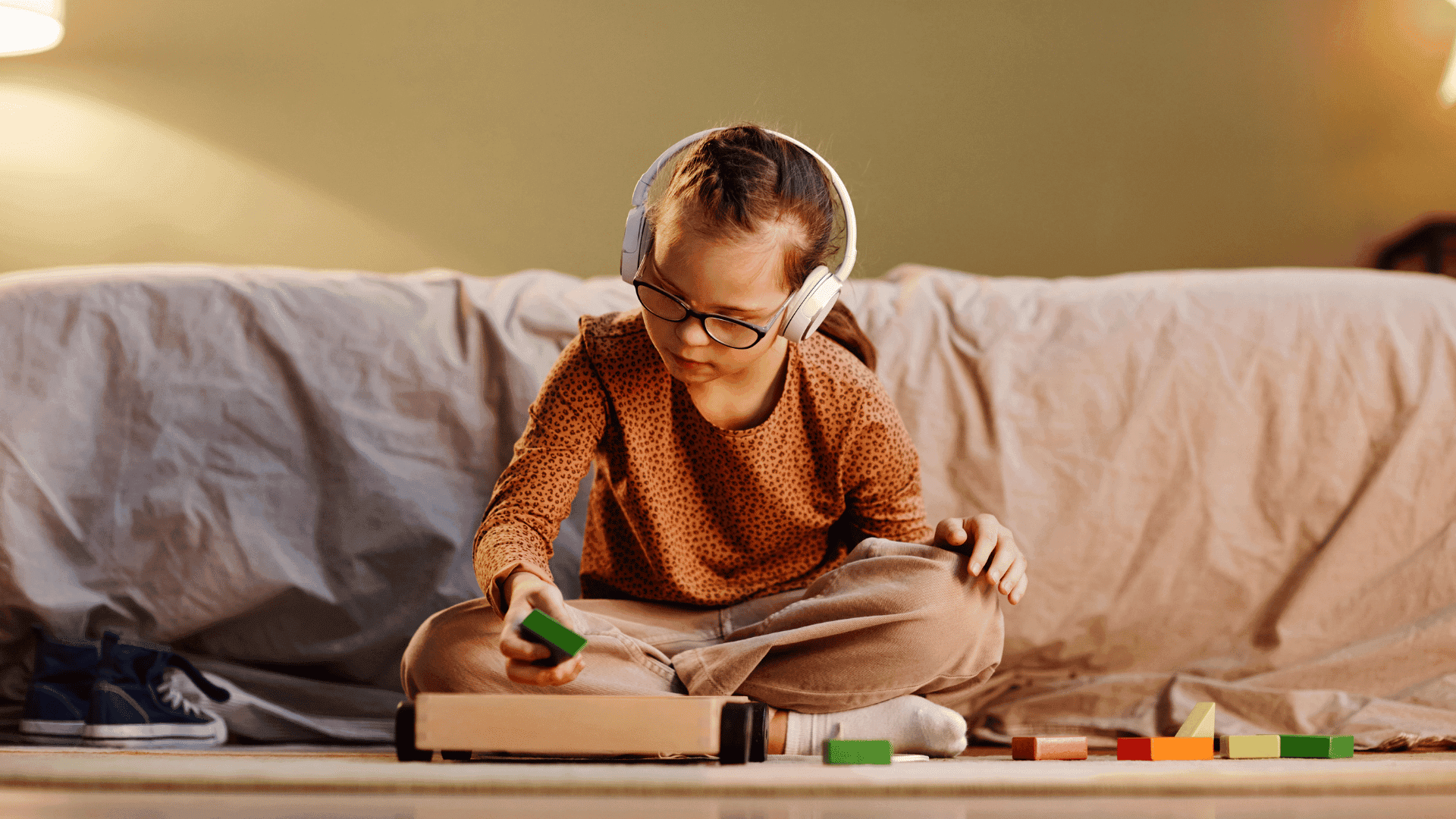
After School Meltdowns: Why Your Child Falls Apart at Home (And How Sound Helps)
After School Meltdowns: Why Your Child Falls Apart at Home (And How Sound Helps)
3:47pm. The school door opens.
Your child walks to the car. Quiet. Fine. Maybe even smiling.
Fifteen minutes later, they're screaming on the kitchen floor.
You didn't say the wrong thing. You didn't do anything different from yesterday. The shoes that were fine this morning are suddenly unbearable. The snack you offered is suddenly offensive. And by the time you try to understand what's happening, they're too far gone to tell you.
Meanwhile, the teachers say they're fine at school. Quiet, even. Good.
So why do they only fall apart with you?
Here's what nobody tells parents: your child isn't saving their worst behaviour for home. They're not punishing you. They're not manipulating.
They've spent six hours holding themselves together. And you're watching what happens when they can't hold on any longer.
This is an after school meltdown. It's one of the most common patterns in autism. And once you understand what's really happening, everything changes.
Why the After School Meltdown Happens
Your child doesn't explode at home because home is the problem.
They explode because home is where they finally feel safe enough to stop pretending.
Think about what a school day actually costs your child's brain. Not the work. The invisible labour.
Six hours of fluorescent lighting. Corridors that echo unpredictably. A timetable that changes without warning. Twenty-eight other children to manage, read, and respond to. Sitting still when every cell wants to move. Processing instructions that come too fast, from adults who don't pause to check understanding. Filtering sounds that neurotypical children don't even notice.
Research published in Autism Research, 2022: Camouflaging in autism: A systematic review describes how many autistic individuals spend significant mental energy suppressing their natural responses and behaviours to fit into neurotypical environments. This conscious and unconscious effort to "pass" has a name: masking.
And masking has a cost. Raymaker et al., 2020: Defining Autistic Burnout describes autistic burnout as chronic exhaustion, loss of skills, and reduced tolerance to stimulation, often resulting from sustained masking and unmet support needs.
Here's what that looks like for your child:
Suppressing the urge to cover their ears when the hand dryer screams in the toilets
Forcing eye contact that feels physically uncomfortable
Not moving their body the way it needs to move
Hiding confusion when instructions don't make sense
Absorbing sensory input that would overwhelm them if they stopped to feel it
They're running on fumes by 11am. And there are still five hours to go.
By 3:30pm, there's nothing left. The reserves are empty. The suppression can't hold.
And when they walk through your door, into the one place where they don't have to pretend? Everything they've been holding floods out at once.
This isn't bad behaviour. It's the masking debt coming due.
The Sensory Bucket and School Days
If you've read our guide on what's actually happening inside their brain, you'll recognise the sensory bucket concept. Every sensory input, every social demand, every unexpected change adds water to an invisible bucket your child carries.
School fills that bucket faster than almost anything else.
Watch how quickly it adds up:
8:45am: The scratchy uniform tag. A few drops.
9:00am: Assembly hall. Echoing voices, unexpected proximity. More drops.
9:30am: Sitting next to someone who smells different today. More drops.
10:15am: Fire alarm test nobody warned them about. A splash.
11:30am: Substitute teacher who does everything differently. More.
12:00pm: Cafeteria. Sounds bouncing off hard surfaces. Smells mixing unpredictably. The bucket is three-quarters full.
And the afternoon hasn't even started.
None of these looks like a crisis on its own. That's why teachers don't see the build-up. Each demand seems manageable. But the bucket keeps filling.
Here's the part that catches parents off guard: the bucket often doesn't overflow until your child feels safe.
At school, the need to mask keeps a lid on it. They're working overtime to appear okay. But the moment they're home, that lid comes off.
The National Autistic Society, 2024: Meltdowns - a guide for all audiences notes that children often hold in their anxiety and stress during school, only to release it when they get home.
So the thing that "caused" the meltdown? You asked about homework. You offered the wrong snack. You said hello in a voice that was slightly too cheerful.
That wasn't the cause. It was just the drop that made an already overflowing bucket spill.
Why It Feels Personal (And Why It Isn't)
Let's talk about the thing most parents feel but don't say out loud.
When your child is calm at school and explosive with you, it's hard not to take it personally. Hard not to wonder what you're doing wrong. Hard not to feel like they're saving their worst for you.
But the truth is exactly the opposite.
Your child melts down at home because you're their safe person. With you, they don't have to mask. Your home is the one place in their world where they can stop pretending to be okay.
That doesn't make it easier. Doesn't make the screaming less exhausting. Doesn't make the evenings less difficult.
But it changes what you're witnessing.
Your child isn't punishing you. They're trusting you with the parts of themselves they can't show anyone else. The exhaustion. The overwhelm. The real experience of being them.
Teachers don't see this picture because your child is working desperately hard to hide it from them. What teachers see is the mask. What you see is what's underneath.
You're not getting the worst of your child. You're getting the most honest.
The After School Window: A Predictable Pattern
Here's the one useful thing about after school meltdowns: they're predictable.
You know roughly when they'll happen. The window between arriving home and the meltdown is usually short. Fifteen minutes. Sometimes less. Sometimes the explosion starts in the car before you even get home.
But predictable means you can prepare.
Not prevent entirely. Some days the bucket is too full and nothing will stop the overflow. But you can change what happens in that window between "through the door" and "falling apart."
This is where sound becomes valuable.
How Sound Helps Discharge the Masking Debt
Your child comes home with a nervous system that's been on high alert for six hours. The thinking brain is depleted. The sensory system is overloaded. Every demand, however small, feels like too much.
What they need isn't more input.
Not "how was school?" Not "get your homework out." Not "take off your uniform and hang it up properly."
They need discharge. A way to let the accumulated stress flow out without adding anything new.
Sound can do that.
Research in Mantzalas et al., 2022: What Is Autistic Burnout? A Thematic Analysis of Posts on Two Online Platforms highlights the importance of recovery time and reduced demands after periods of masking. Passive sensory support gives the nervous system something safe to anchor to while it resets.
But here's why sound works when other tools struggle.
Weighted blankets need your child to accept touch. After a day of managing unexpected physical contact at school, touch is often the last thing they want.
Fidgets need motor control. That's depleted after hours of forced stillness.
Breathing exercises need the thinking brain. It's offline after cognitive exhaustion.
Apps need interaction. More demands on an already overloaded system.
Sound asks nothing.
You press play. The frequencies or ambient noise or gentle ASMR fill the space. Your child's nervous system has something consistent and predictable to land on. They don't have to engage with it. Don't have to respond. Don't have to do anything.
They just have to receive it.
For specific guidance on what to actually play during a meltdown, we've written a detailed guide. The short version: brown noise, pink noise, low frequencies, and consistent soundscapes tend to work best. Nothing with lyrics. Nothing with sudden changes. Nothing that requires attention.
Building an After School Reset Routine
Once you understand that after school meltdowns come from masking debt, you can build a routine around discharge and recovery.
This isn't about preventing all meltdowns. That's not realistic. It's about reducing their frequency and intensity by helping your child's nervous system reset before the bucket overflows.
Create a Transition Zone
The moment of coming home is intense. Your child goes from "masking mode" to "safe space" and the contrast is jarring for their system.
Create a buffer. A low-demand transition zone where they can decompress without pressure.
This might be a quiet corner with soft lighting. A specific chair or spot that's theirs. Headphones and a calming sound ready to play. A blanket or soft object if they find that comforting.
No questions about school. No reminders about homework. No siblings demanding attention.
Just space.
Let them exist there for fifteen to thirty minutes before any expectations kick in. Some children need longer. Follow their lead.
Make Sound Part of the Routine
Have calming sounds ready before they walk in the door.
If your child responds well to brown noise or frequencies, have them playing in their transition zone. Let the sound meet them rather than trying to introduce it once they're already escalating.
Over time, this creates an association. "Home means this sound." "This sound means I can stop holding everything in." The brain starts to recognise the signal and may begin to regulate faster.
Some parents play the same track every day after school. The familiarity itself becomes calming. Others let their child choose from a limited selection. Too many choices adds demand, so keep options small. Find what works for yours.
Delay the Questions
"How was school?" seems like a caring question.
But it asks your child to process and recall and summarise at the exact moment their brain is least capable of doing so.
Save the questions for later. Much later. Or let them bring things up when they're ready.
If you need to communicate something practical, keep it minimal. "Snack is on the counter." That's it.
Not "Do you want an apple or a banana? Actually, we're out of bananas, so it's apple or grapes. Or I could make you toast. What do you want?"
Every choice, every question, every decision is another drop in an already full bucket.
Feed Without Asking
Many children come home genuinely hungry. And low blood sugar makes everything worse.
But asking "what do you want to eat?" adds cognitive load at the worst possible moment.
Have something ready. Place it where they'll find it. No discussion needed. No decisions required.
Allow Movement or Stillness
Some children need to move when they get home. Jumping. Spinning. Running. Their bodies need to discharge the energy they've been suppressing all day.
Others need complete stillness. Lying flat. Curling up. Not moving at all.
Don't assume you know which one your child needs today. Watch. Let them show you.
Sound works with both. Movement can happen with calming frequencies in the background. Stillness can happen wrapped in ambient noise. Neither requires your child to engage with the sound actively.
When the Meltdown Happens Anyway
Sometimes the bucket is too full. Sometimes the masking debt is too heavy. Sometimes the meltdown happens despite everything you've prepared.
That's okay. You haven't failed.
Some days the school day is simply too much. No amount of after-school support will prevent the overflow. That's not a failure of your routine. It's a sign of how much your child carried that day.
When the meltdown arrives, you already know what to do. Reduce sensory input. Stop talking. Ensure safety. Stay present without being intrusive. Let it run its course.
Sound can still help during the meltdown itself. If you have calming frequencies playing, let them continue. If not, quietly start them without announcement. The sound won't stop the meltdown, but it gives the nervous system something consistent while the overwhelm processes through.
After the meltdown, your child will need time to rebuild. The recovery after the meltdown matters just as much as what you do during it. Sound supports that recovery too, keeping demands low while the nervous system slowly comes back online.
What Schools Don't See
Teachers genuinely believe your child is fine at school. They're not lying. They're reporting what they observe.
But what they observe is a child working desperately hard to appear fine. A child using every bit of their energy to mask, to fit in, to not stand out. A child who knows that showing their real experience isn't safe there.
The child you see at home is closer to the real picture. More exhausted. More overwhelmed. More themselves.
This doesn't mean school is bad or wrong. It means school is hard in ways that aren't visible from the outside. And it means your child needs support that accounts for that invisible load.
You might consider sharing this pattern with your child's school. Some schools can adjust environments, reduce demands, or provide sensory breaks that help keep the bucket from filling so fast. Others may dismiss the after school meltdown as "just home behaviour."
Either way, you know the truth now.
The meltdown after school isn't random. It isn't misbehaviour. It's the predictable result of masking all day in environments that weren't built for your child's brain.
One Quiet Moment Can Change Everything
After the school door closes and before the evening begins, there's a window. A moment where your child's nervous system is deciding whether to tip into meltdown or find its way back to regulation.
Sound can meet them in that window.
Not with demands. Not with words. Not with questions or tasks or expectations. Just with something predictable and safe that lets their brain land somewhere.
It won't work every day. Some days the debt is too heavy, and no amount of sound will stop what needs to happen.
But many days? That quiet moment makes the difference. That calming frequency in the background. That permission to simply exist without masking.
The Sound Sanctuary has sounds created specifically for moments like this. Frequencies and ambient soundscapes designed for neurodivergent children. Nothing that requires engagement. Nothing that adds demand. Just press play and let your child receive what they need.
Because your child spent six hours holding it together.
Now they're home.
And home is where they can finally let go.
3:47pm. The school door opens.
Your child walks to the car. Quiet. Fine. Maybe even smiling.
Fifteen minutes later, they're screaming on the kitchen floor.
You didn't say the wrong thing. You didn't do anything different from yesterday. The shoes that were fine this morning are suddenly unbearable. The snack you offered is suddenly offensive. And by the time you try to understand what's happening, they're too far gone to tell you.
Meanwhile, the teachers say they're fine at school. Quiet, even. Good.
So why do they only fall apart with you?
Here's what nobody tells parents: your child isn't saving their worst behaviour for home. They're not punishing you. They're not manipulating.
They've spent six hours holding themselves together. And you're watching what happens when they can't hold on any longer.
This is an after school meltdown. It's one of the most common patterns in autism. And once you understand what's really happening, everything changes.
Why the After School Meltdown Happens
Your child doesn't explode at home because home is the problem.
They explode because home is where they finally feel safe enough to stop pretending.
Think about what a school day actually costs your child's brain. Not the work. The invisible labour.
Six hours of fluorescent lighting. Corridors that echo unpredictably. A timetable that changes without warning. Twenty-eight other children to manage, read, and respond to. Sitting still when every cell wants to move. Processing instructions that come too fast, from adults who don't pause to check understanding. Filtering sounds that neurotypical children don't even notice.
Research published in Autism Research, 2022: Camouflaging in autism: A systematic review describes how many autistic individuals spend significant mental energy suppressing their natural responses and behaviours to fit into neurotypical environments. This conscious and unconscious effort to "pass" has a name: masking.
And masking has a cost. Raymaker et al., 2020: Defining Autistic Burnout describes autistic burnout as chronic exhaustion, loss of skills, and reduced tolerance to stimulation, often resulting from sustained masking and unmet support needs.
Here's what that looks like for your child:
Suppressing the urge to cover their ears when the hand dryer screams in the toilets
Forcing eye contact that feels physically uncomfortable
Not moving their body the way it needs to move
Hiding confusion when instructions don't make sense
Absorbing sensory input that would overwhelm them if they stopped to feel it
They're running on fumes by 11am. And there are still five hours to go.
By 3:30pm, there's nothing left. The reserves are empty. The suppression can't hold.
And when they walk through your door, into the one place where they don't have to pretend? Everything they've been holding floods out at once.
This isn't bad behaviour. It's the masking debt coming due.
The Sensory Bucket and School Days
If you've read our guide on what's actually happening inside their brain, you'll recognise the sensory bucket concept. Every sensory input, every social demand, every unexpected change adds water to an invisible bucket your child carries.
School fills that bucket faster than almost anything else.
Watch how quickly it adds up:
8:45am: The scratchy uniform tag. A few drops.
9:00am: Assembly hall. Echoing voices, unexpected proximity. More drops.
9:30am: Sitting next to someone who smells different today. More drops.
10:15am: Fire alarm test nobody warned them about. A splash.
11:30am: Substitute teacher who does everything differently. More.
12:00pm: Cafeteria. Sounds bouncing off hard surfaces. Smells mixing unpredictably. The bucket is three-quarters full.
And the afternoon hasn't even started.
None of these looks like a crisis on its own. That's why teachers don't see the build-up. Each demand seems manageable. But the bucket keeps filling.
Here's the part that catches parents off guard: the bucket often doesn't overflow until your child feels safe.
At school, the need to mask keeps a lid on it. They're working overtime to appear okay. But the moment they're home, that lid comes off.
The National Autistic Society, 2024: Meltdowns - a guide for all audiences notes that children often hold in their anxiety and stress during school, only to release it when they get home.
So the thing that "caused" the meltdown? You asked about homework. You offered the wrong snack. You said hello in a voice that was slightly too cheerful.
That wasn't the cause. It was just the drop that made an already overflowing bucket spill.
Why It Feels Personal (And Why It Isn't)
Let's talk about the thing most parents feel but don't say out loud.
When your child is calm at school and explosive with you, it's hard not to take it personally. Hard not to wonder what you're doing wrong. Hard not to feel like they're saving their worst for you.
But the truth is exactly the opposite.
Your child melts down at home because you're their safe person. With you, they don't have to mask. Your home is the one place in their world where they can stop pretending to be okay.
That doesn't make it easier. Doesn't make the screaming less exhausting. Doesn't make the evenings less difficult.
But it changes what you're witnessing.
Your child isn't punishing you. They're trusting you with the parts of themselves they can't show anyone else. The exhaustion. The overwhelm. The real experience of being them.
Teachers don't see this picture because your child is working desperately hard to hide it from them. What teachers see is the mask. What you see is what's underneath.
You're not getting the worst of your child. You're getting the most honest.
The After School Window: A Predictable Pattern
Here's the one useful thing about after school meltdowns: they're predictable.
You know roughly when they'll happen. The window between arriving home and the meltdown is usually short. Fifteen minutes. Sometimes less. Sometimes the explosion starts in the car before you even get home.
But predictable means you can prepare.
Not prevent entirely. Some days the bucket is too full and nothing will stop the overflow. But you can change what happens in that window between "through the door" and "falling apart."
This is where sound becomes valuable.
How Sound Helps Discharge the Masking Debt
Your child comes home with a nervous system that's been on high alert for six hours. The thinking brain is depleted. The sensory system is overloaded. Every demand, however small, feels like too much.
What they need isn't more input.
Not "how was school?" Not "get your homework out." Not "take off your uniform and hang it up properly."
They need discharge. A way to let the accumulated stress flow out without adding anything new.
Sound can do that.
Research in Mantzalas et al., 2022: What Is Autistic Burnout? A Thematic Analysis of Posts on Two Online Platforms highlights the importance of recovery time and reduced demands after periods of masking. Passive sensory support gives the nervous system something safe to anchor to while it resets.
But here's why sound works when other tools struggle.
Weighted blankets need your child to accept touch. After a day of managing unexpected physical contact at school, touch is often the last thing they want.
Fidgets need motor control. That's depleted after hours of forced stillness.
Breathing exercises need the thinking brain. It's offline after cognitive exhaustion.
Apps need interaction. More demands on an already overloaded system.
Sound asks nothing.
You press play. The frequencies or ambient noise or gentle ASMR fill the space. Your child's nervous system has something consistent and predictable to land on. They don't have to engage with it. Don't have to respond. Don't have to do anything.
They just have to receive it.
For specific guidance on what to actually play during a meltdown, we've written a detailed guide. The short version: brown noise, pink noise, low frequencies, and consistent soundscapes tend to work best. Nothing with lyrics. Nothing with sudden changes. Nothing that requires attention.
Building an After School Reset Routine
Once you understand that after school meltdowns come from masking debt, you can build a routine around discharge and recovery.
This isn't about preventing all meltdowns. That's not realistic. It's about reducing their frequency and intensity by helping your child's nervous system reset before the bucket overflows.
Create a Transition Zone
The moment of coming home is intense. Your child goes from "masking mode" to "safe space" and the contrast is jarring for their system.
Create a buffer. A low-demand transition zone where they can decompress without pressure.
This might be a quiet corner with soft lighting. A specific chair or spot that's theirs. Headphones and a calming sound ready to play. A blanket or soft object if they find that comforting.
No questions about school. No reminders about homework. No siblings demanding attention.
Just space.
Let them exist there for fifteen to thirty minutes before any expectations kick in. Some children need longer. Follow their lead.
Make Sound Part of the Routine
Have calming sounds ready before they walk in the door.
If your child responds well to brown noise or frequencies, have them playing in their transition zone. Let the sound meet them rather than trying to introduce it once they're already escalating.
Over time, this creates an association. "Home means this sound." "This sound means I can stop holding everything in." The brain starts to recognise the signal and may begin to regulate faster.
Some parents play the same track every day after school. The familiarity itself becomes calming. Others let their child choose from a limited selection. Too many choices adds demand, so keep options small. Find what works for yours.
Delay the Questions
"How was school?" seems like a caring question.
But it asks your child to process and recall and summarise at the exact moment their brain is least capable of doing so.
Save the questions for later. Much later. Or let them bring things up when they're ready.
If you need to communicate something practical, keep it minimal. "Snack is on the counter." That's it.
Not "Do you want an apple or a banana? Actually, we're out of bananas, so it's apple or grapes. Or I could make you toast. What do you want?"
Every choice, every question, every decision is another drop in an already full bucket.
Feed Without Asking
Many children come home genuinely hungry. And low blood sugar makes everything worse.
But asking "what do you want to eat?" adds cognitive load at the worst possible moment.
Have something ready. Place it where they'll find it. No discussion needed. No decisions required.
Allow Movement or Stillness
Some children need to move when they get home. Jumping. Spinning. Running. Their bodies need to discharge the energy they've been suppressing all day.
Others need complete stillness. Lying flat. Curling up. Not moving at all.
Don't assume you know which one your child needs today. Watch. Let them show you.
Sound works with both. Movement can happen with calming frequencies in the background. Stillness can happen wrapped in ambient noise. Neither requires your child to engage with the sound actively.
When the Meltdown Happens Anyway
Sometimes the bucket is too full. Sometimes the masking debt is too heavy. Sometimes the meltdown happens despite everything you've prepared.
That's okay. You haven't failed.
Some days the school day is simply too much. No amount of after-school support will prevent the overflow. That's not a failure of your routine. It's a sign of how much your child carried that day.
When the meltdown arrives, you already know what to do. Reduce sensory input. Stop talking. Ensure safety. Stay present without being intrusive. Let it run its course.
Sound can still help during the meltdown itself. If you have calming frequencies playing, let them continue. If not, quietly start them without announcement. The sound won't stop the meltdown, but it gives the nervous system something consistent while the overwhelm processes through.
After the meltdown, your child will need time to rebuild. The recovery after the meltdown matters just as much as what you do during it. Sound supports that recovery too, keeping demands low while the nervous system slowly comes back online.
What Schools Don't See
Teachers genuinely believe your child is fine at school. They're not lying. They're reporting what they observe.
But what they observe is a child working desperately hard to appear fine. A child using every bit of their energy to mask, to fit in, to not stand out. A child who knows that showing their real experience isn't safe there.
The child you see at home is closer to the real picture. More exhausted. More overwhelmed. More themselves.
This doesn't mean school is bad or wrong. It means school is hard in ways that aren't visible from the outside. And it means your child needs support that accounts for that invisible load.
You might consider sharing this pattern with your child's school. Some schools can adjust environments, reduce demands, or provide sensory breaks that help keep the bucket from filling so fast. Others may dismiss the after school meltdown as "just home behaviour."
Either way, you know the truth now.
The meltdown after school isn't random. It isn't misbehaviour. It's the predictable result of masking all day in environments that weren't built for your child's brain.
One Quiet Moment Can Change Everything
After the school door closes and before the evening begins, there's a window. A moment where your child's nervous system is deciding whether to tip into meltdown or find its way back to regulation.
Sound can meet them in that window.
Not with demands. Not with words. Not with questions or tasks or expectations. Just with something predictable and safe that lets their brain land somewhere.
It won't work every day. Some days the debt is too heavy, and no amount of sound will stop what needs to happen.
But many days? That quiet moment makes the difference. That calming frequency in the background. That permission to simply exist without masking.
The Sound Sanctuary has sounds created specifically for moments like this. Frequencies and ambient soundscapes designed for neurodivergent children. Nothing that requires engagement. Nothing that adds demand. Just press play and let your child receive what they need.
Because your child spent six hours holding it together.
Now they're home.
And home is where they can finally let go.
Make tomorrow feel easier
Whether it’s bedtime battles, big emotions or sensory overload, small sound moments can bring your child the reassurance and stability they need.



Make tomorrow feel easier
Whether it’s bedtime battles, big emotions or sensory overload, small sound moments can bring your child the reassurance and stability they need.
Make tomorrow feel easier
Whether it’s bedtime battles, big emotions or sensory overload, small sound moments can bring your child the reassurance and stability they need.
Why does my child only have meltdowns after school and not at school?
Your child masks at school, suppressing their natural responses to fit in. This takes enormous energy. By the time they get home, the masking can't hold anymore. Home feels safe, so they release everything they've been holding in. It's not that home causes the meltdown. It's that home is where they feel safe enough to stop pretending.
How can I prevent after school meltdowns?
You can reduce their frequency and intensity, but preventing them entirely isn't realistic. Create a low-demand transition period when they first arrive home. Have calming sounds ready. Delay questions about school. Allow them to decompress without expectations. Some meltdowns will still happen because the school day itself fills the sensory bucket beyond what any routine can fully address.
Should I ask my child about their school day?
Not immediately. "How was school?" requires cognitive processing that an exhausted child may not have available. Save questions for later, once they've had time to decompress. Or let them bring things up on their own terms. Many children communicate better about their day at bedtime or during a calm activity than in the immediate after-school window.
Is it normal for after school meltdowns to happen every day?
It's common, especially for autistic children in mainstream school environments. The sensory and social demands of school can deplete their capacity daily. If meltdowns are happening every day, consider whether the school environment could be adjusted to reduce the load. Focus on building a consistent after-school reset routine that helps discharge the accumulated stress.
What sounds work best for after school reset time?
Brown noise, pink noise, and low-frequency sounds tend to work well because they're consistent and predictable. ASMR sounds like gentle tapping can also help. Avoid anything with lyrics, sudden changes, or unpredictable elements. The key is consistency. The same sounds played daily can create an association that helps the brain recognise it's time to stop masking and start recovering.
Why does my child only have meltdowns after school and not at school?
Your child masks at school, suppressing their natural responses to fit in. This takes enormous energy. By the time they get home, the masking can't hold anymore. Home feels safe, so they release everything they've been holding in. It's not that home causes the meltdown. It's that home is where they feel safe enough to stop pretending.
How can I prevent after school meltdowns?
You can reduce their frequency and intensity, but preventing them entirely isn't realistic. Create a low-demand transition period when they first arrive home. Have calming sounds ready. Delay questions about school. Allow them to decompress without expectations. Some meltdowns will still happen because the school day itself fills the sensory bucket beyond what any routine can fully address.
Should I ask my child about their school day?
Not immediately. "How was school?" requires cognitive processing that an exhausted child may not have available. Save questions for later, once they've had time to decompress. Or let them bring things up on their own terms. Many children communicate better about their day at bedtime or during a calm activity than in the immediate after-school window.
Is it normal for after school meltdowns to happen every day?
It's common, especially for autistic children in mainstream school environments. The sensory and social demands of school can deplete their capacity daily. If meltdowns are happening every day, consider whether the school environment could be adjusted to reduce the load. Focus on building a consistent after-school reset routine that helps discharge the accumulated stress.
What sounds work best for after school reset time?
Brown noise, pink noise, and low-frequency sounds tend to work well because they're consistent and predictable. ASMR sounds like gentle tapping can also help. Avoid anything with lyrics, sudden changes, or unpredictable elements. The key is consistency. The same sounds played daily can create an association that helps the brain recognise it's time to stop masking and start recovering.
Founder & Creative Lead - The PeacePath® | Creator of HushAway® Neurodivergent Inclusive Coach | Voice Artist & Storyteller | Sound Therapy Practitioner