✨ Calm support for bedtime, focus and overwhelm, Free for 14 days. No card needed
✨ Calm support for bedtime, focus and overwhelm, Free for 14 days. No card needed
✨ Start your free trial today!

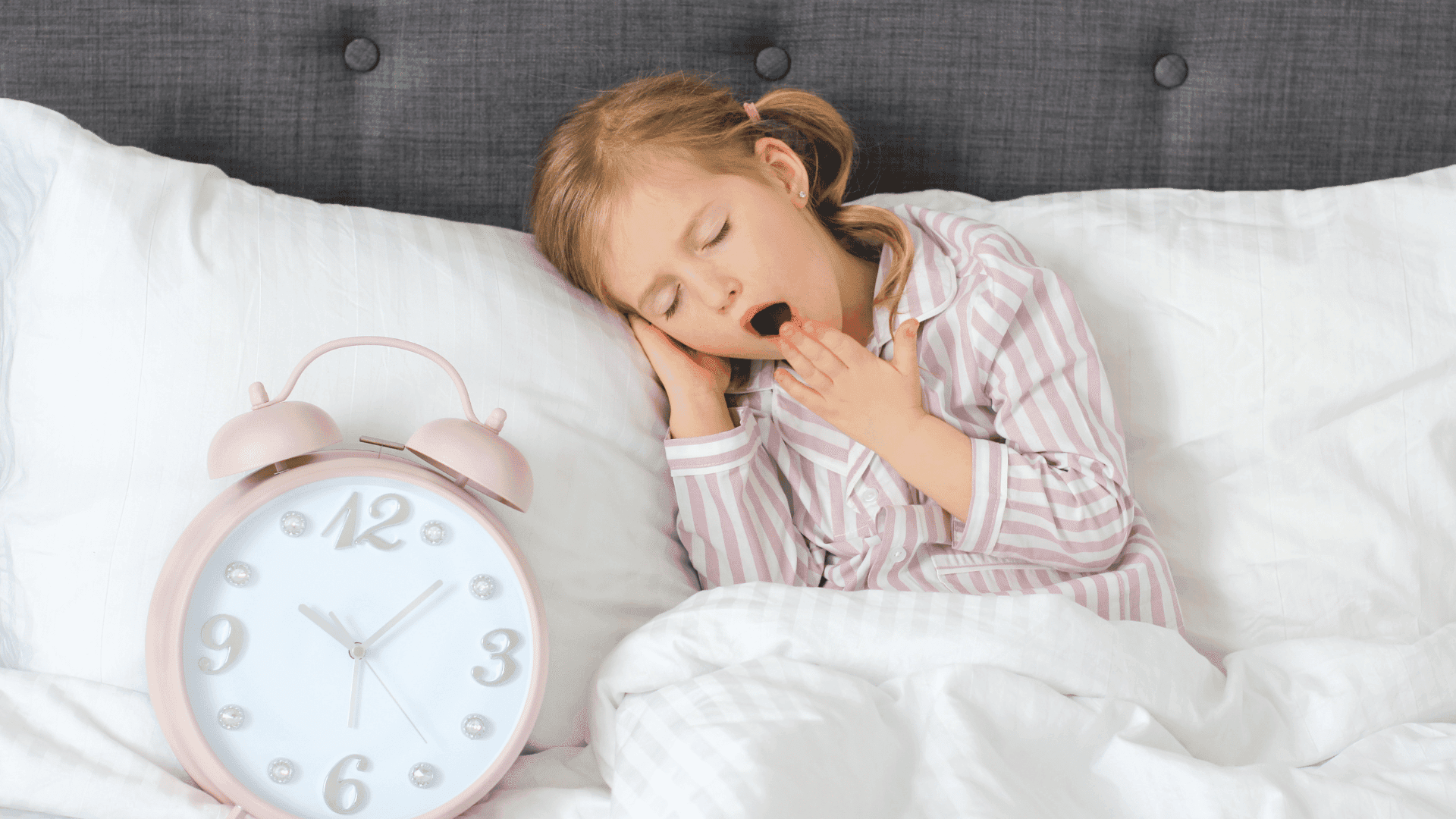
Autism Bedtime Routine: How Predictable Sound Reduces Transition Anxiety
Autism Bedtime Routine: How Predictable Sound Reduces Transition Anxiety
You’ve done everything right. The visual schedule is on the wall. The routine is the same every night. Bath at 7. Teeth at 7:15. Story at 7:30.
And still, your autistic child stands rigid at the bathroom door, refusing to move. Or melts down when you say “five more minutes.” Or lies wide awake at 10pm, eyes fixed on the ceiling, body tense.
We’ve been there. So many of us have.
Here’s what nobody tells you: for autistic children, knowing the schedule isn’t the same as feeling safe within it. The steps can be identical every night, and the transitions can still feel terrifying.
Because an autism bedtime routine that works isn’t about the sequence. It’s about reducing the uncertainty that makes each step feel unsafe.
Your child’s brain is asking questions you can’t hear: Will mum say goodnight exactly like last night? Will the bathroom light sound the same when it clicks on? Will the duvet feel right? What if something is different?
That’s where sound becomes something more than background noise.
Sound can be the one predictable element that stays identical, every single night, through every transition. The same frequencies. The same ambient patterns. The same auditory signal that tells your child’s nervous system: “You know this. This is sleep time. You’re safe.”
Why Autistic Children Struggle at Bedtime
The numbers are stark. According to the National Autistic Society, 2024: Sleep and autism, between 50-80% of autistic children experience sleep difficulties. That’s 2-3 times the rate of neurotypical children.
If you’re exhausted and wondering why bedtime feels so much harder in your house, you’re not imagining it. The struggle is real, and it has a reason.
If you’ve read about why bedtime is harder for neurodivergent children, you’ll know that ADHD brains struggle with racing thoughts at night. The ADHD mind comes alive when the world gets quiet.
Autistic bedtime struggles work differently. The core challenge is transition anxiety, not stimulation.
Transitions mean unpredictability. Think about what bedtime actually requires: stopping one activity (often abruptly), moving to another room, changing clothes, adjusting to different lighting, shifting from active to still, from together to alone.
That’s at least six transitions in under an hour. Each one carries uncertainty. Each one is a potential threat to a nervous system that craves sameness.
For a brain that processes every sensory detail with intensity, “time for bed” isn’t a simple instruction. It’s the start of an unpredictable obstacle course.
Sensory processing doesn’t clock off at bedtime. Autistic children often have heightened sensory awareness that continues right through the evening. The mattress that felt fine yesterday feels lumpy tonight. Pyjama seams that were tolerable this morning are now unbearable. The street light through the curtains seems brighter than last night.
You might think: “Nothing has changed.” But to your child’s nervous system, something always feels different. And when their brain is still cataloguing every sensation at 9pm, switching into sleep mode feels impossible.
Anxiety builds across the day. Research from Souders et al., 2017: Sleep in Children with Autism Spectrum Disorder found that autistic children’s sleep difficulties are closely linked to anxiety. And anxiety doesn’t resolve at bedtime. It often peaks when demands decrease and there’s nothing left to distract from worry.
Bedtime becomes the day’s final processing session. Every difficult moment, every unexpected change, every social confusion from the day rises to the surface.
What Autistic Children Actually Need at Bedtime
Most bedtime advice focuses on structure. Do the same steps in the same order. Keep the routine consistent.
That’s a start. But if structure alone solved the problem, you wouldn’t be reading this article.
For autistic children, sameness needs to go deeper than steps on a schedule.
Predictability must be sensory, not just sequential. Knowing that teeth-brushing comes after bath doesn’t help if the bathroom sounds different, the toothbrush texture has changed, or the light feels harsher than yesterday.
Transition support must be passive. During periods of high anxiety, autistic children often can’t respond to verbal instructions, visual schedules, or choices. Their processing bandwidth is already overwhelmed.
Safety signals must be consistent. Your child needs something that tells their brain “this is the same as last night” without requiring them to check, compare, or verify.
This is where sound changes everything. And here’s why it works when other approaches don’t.
How Sound Creates Predictability for Autism Bedtime Routine
Sound provides consistent, predictable input that signals transitions in a sensory-safe way. It’s passive. It’s reliable. And it asks nothing from your child.
Think about what other bedtime tools require:
Visual schedules need your child to look, process, and remember
Verbal cues vary with your mood, tiredness, and stress level
Weighted blankets require body tolerance that can fluctuate
Timers create countdown anxiety for some children
Sound just arrives. Your child doesn’t need to do anything. The sound is either playing or it isn’t. There’s no interpretation required.
And if the same sound plays at the same point in the routine every single night, your child’s brain learns to associate that specific audio with that specific transition. The sound becomes the predictability.
Sound doesn’t vary like you do. Even the most consistent parent has tired days, stressed days, rushed days. Voice tone changes. Energy levels shift. The way you say “time for bed” tonight isn’t identical to how you said it last night. You might not notice the difference. Your child does.
Sound is identical. Every single time. The same frequencies. The same patterns. The same signal to your child’s brain: “This is familiar. This is safe.”
Sound creates auditory landmarks. If bathtime always begins with a specific soundscape, your child’s nervous system begins relaxing before you even mention the bath. The sound itself signals what’s coming.
Sound bridges the alone-to-together gap. When you leave the room, your presence goes with you. The visual environment changes. The warmth disappears. Your child is suddenly alone.
But sound stays.
It fills the silence that so often triggers bedtime anxiety. Sound becomes a form of presence that doesn’t require you to be physically there. The auditory environment remains constant even when everything else shifts.
Building an Autism Bedtime Routine with Sound
A sound-based bedtime routine works by matching specific sounds to specific transitions. For autistic children, consistency matters more than anything else.
Here’s how to build it, phase by phase.
Phase 1: Wind-Down (30-45 Minutes Before Bed)
This is when you signal that the evening is shifting toward bedtime. The goal is gradual environmental change, not sudden announcements.
Sound choice: Ambient soundscapes or nature sounds. Consistent, looping audio without sudden changes. Something that can play continuously without your child noticing when it restarts.
What to avoid: Music with lyrics, changing tempos, or instrumental surprises. Any sound that draws attention to itself.
Implementation: Start the wind-down sound at the same time every night. 7pm works for many families. Your child might not consciously register it at first. That’s actually the point.
Their nervous system will start learning the pattern without any demands: when this sound plays, bedtime is approaching.
Don’t announce it. Don’t make it a rule. Just let the sound become part of the environment. After 2-3 weeks of consistency, you’ll likely notice your child naturally beginning to wind down when the sound starts.
Phase 2: Active Routine (Bath, Teeth, Pyjamas)
The transitions happen here. Moving between rooms, changing activities, adjusting to different sensations. This is where anxiety typically spikes.
Sound choice: Consider using a different sound for each transition, OR keeping one consistent sound that plays throughout the entire active routine phase.
Both approaches work. The key is that whichever you choose, you do it the same way every single night.
Option A: Transition-specific sounds. Bath time gets one soundscape. Teeth-brushing gets another. Pyjamas gets a third. Each sound becomes a reliable marker for that specific activity. Your child knows: when this sound plays, I’m doing teeth. When that sound plays, I’m getting dressed.
Option B: One continuous sound. The same ambient audio plays from the moment the active routine begins until story time starts. This creates an auditory “container” around the potentially anxious transitions.
For autistic children specifically: Option B often works better initially. Fewer changes means fewer potential anxiety triggers. One continuous sound creates one consistent auditory anchor across all the transitions.
You can always introduce transition-specific sounds once the routine is established and your child’s anxiety has decreased.
Phase 3: Connection Time (Story, Calm Together Time)
This is the settling period. The routine is nearly complete. Your child is in bed, safe, with you present.
Sound choice: Gentle frequencies, soft ASMR sounds, or storytelling audio designed for sleep. Something slower and quieter than the earlier phases.
What matters here: The sound should feel like a continuation, not a jarring change. If you’ve been playing nature sounds, don’t suddenly switch to electronic frequencies. Gradual shifts feel safer than abrupt ones.
This is also when spoken audio (gentle stories, guided relaxations) can work well for autistic children who find verbal processing easier than silent self-soothing.
Phase 4: Transition to Sleep (You Leave, They Stay)
This is the moment many autistic children dread most. The shift from parent-present to alone.
Sound choice: Whatever sound plays during this phase needs to continue after you leave. This is non-negotiable. The sound bridges your departure.
Volume and duration: Keep volume low enough to sleep through, but present enough to notice if it stopped. Sound should continue throughout the night, not cut off after a timer. Sudden silence at 2am can trigger waking and anxiety.
Why this matters: For an autistic child with bedtime anxiety, silence after you leave confirms their fear: they are alone. Everything has changed. Continuous sound means something remains. Something stays the same. The auditory environment is constant even though the visual environment (you leaving) has shifted.
The Gradual Retreat Method with Sound Support
Many sleep consultants recommend gradual retreat: moving further from your child’s bed over days or weeks until they can fall asleep independently.
If you’ve tried this with your autistic child, you probably know what happens. Progress one night. Regression the next. Tears. Starting over.
For autistic children, traditional gradual retreat often fails. Here’s why:
The parent’s presence is a sensory anchor. Moving further away changes the sensory landscape. Your child isn’t just losing proximity. They’re losing the specific way your presence sounds, smells, and feels from that exact spot.
Each night feels like starting over. If yesterday you sat on the bed and tonight you sit on a chair, your child’s nervous system registers that as a change that requires adaptation. The “gradual” part doesn’t feel gradual. It feels like constant unpredictability.
Sound can make gradual retreat feel much easier. Here’s how:
The sound stays in the same place. While your position changes night by night, the sound source remains constant. The speaker or device doesn’t move. The audio environment is predictable even when your position shifts.
Sound becomes the primary anchor. Over time, your child’s nervous system learns that the sound (not your physical position) is the reliable “this is safe” signal. Your position becomes less central to their security.
The sound-to-sleep association strengthens. After several weeks, your child begins associating the sound itself with successfully falling asleep. They’ve done it before with this sound. They can do it again. Your presence becomes supportive rather than essential.
How to Implement Sound-Supported Gradual Retreat
Week 1-2: Maintain your current bedtime position (wherever you currently need to be for your child to settle). Introduce the sleep sound. Play it every night from the moment you settle into position until your child is asleep and you leave.
Week 3-4: Begin moving position slightly (chair instead of bed, doorway instead of chair). Sound continues exactly as before. Same volume, same duration, same audio.
Week 5 onwards: Continue gradual position changes. The sound remains the one constant. Your child’s brain learns: the sound is always there, even when mum’s position changes.
Expected timeline: This process takes longer for autistic children than neurotypical children. Allow 8-12 weeks minimum. Rushing creates setbacks.
Be patient with yourself too. This isn’t a race. The goal is lasting change, not quick fixes that fall apart.
When Autism Bedtime Routine Isn’t Working
Sometimes the anxiety is too high for routine alone to address. And that’s okay. Recognising this isn’t failure. It’s wisdom.
Signs that bedtime struggles might need additional support:
Intense distress that doesn’t reduce after 4+ weeks of consistent routine
Physical symptoms (stomach pain, headaches) appearing at bedtime
Complete refusal to engage with any part of the routine
Sleep onset taking more than 90 minutes consistently
Night waking with high distress multiple times per night
If you’re seeing these patterns, your child may benefit from support beyond routine adjustments. A GP referral can rule out physical causes. An occupational therapist can assess sensory processing and recommend tailored strategies. A child psychologist can help with anxiety approaches designed for autistic children.
Sound and routine create the foundation. Some children need additional scaffolding built on top. Getting that help isn’t giving up. It’s giving your child what they need.
Handling Bedtime Anxiety When Your Autistic Child Is Scared
Bedtime fear is common in autistic children. Fear of the dark. Fear of being alone. Fear of bad dreams. Fear of what happens when consciousness stops and they lose control.
These fears are real and valid. Your child isn’t being dramatic.
Sound addresses fear differently from other interventions, and that difference matters.
Night lights change the visual environment. For some autistic children, this helps. For others, it creates more to process: shadows that move, light levels that shift, visual stimulation when the goal is visual calm.
Comfort objects require holding. For a child who finds physical sensations overwhelming, gripping a soft toy might add stimulation rather than reduce it.
Sound requires nothing. It arrives. It stays. It asks nothing from your child’s already-taxed processing system. There’s no “right way” to use it. It just exists in the environment, providing comfort without demands.
For autistic children scared at bedtime, sound provides:
Masking of scary silence. The quiet of a dark room often feels louder than noise. Every creak, every distant car, every settling pipe becomes potential threat. Consistent sound masks these random noises.
Distraction from anxious thoughts. When the audio environment provides something to notice (without demanding engagement), the brain has less bandwidth for fear-based thinking.
Proof of continuity. Sound that plays all night demonstrates that the world continues normally. Morning will come. Sleep is temporary. The sound will still be there when your child wakes. That consistency is deeply reassuring for a brain that fears unexpected change.
Choosing the Right Sounds for Your Autistic Child
The research from Mazurek and Sohl, 2016: Sleep and Behavioral Problems in Children with Autism Spectrum Disorder confirms the connection between sensory processing differences and sleep difficulties. This means sound selection must account for individual sensory profiles.
Start with soundscapes, not music. Nature sounds, ambient audio, and consistent frequencies work better than musical content for most autistic children. No surprises. No engagement required.
Test during calm periods first. Don’t introduce new sounds at bedtime when anxiety is already high. Play potential sounds during quiet daytime moments. Watch for signs of sensory comfort or discomfort.
Observe, don’t ask. Many autistic children struggle to articulate sensory preferences verbally. Watch body language instead. Relaxed shoulders. Slower breathing. Softened facial expression. Unclenched hands. These signals mean the sound works.
Be prepared to try multiple options. What works for one autistic child may overwhelm another. This isn’t failure. It’s the reality of individual sensory profiles. The right sound is out there. It might just take some exploration to find it.
Building Toward Independence
The goal of an autism bedtime routine isn’t dependence on sound forever. It’s reducing anxiety enough that sleep becomes achievable and your child develops confidence in their own ability to rest.
As that confidence grows, their need for auditory support may decrease naturally. Or it may not. Both outcomes are success.
Some autistic children continue using sleep sounds into adulthood. That’s fine. Many neurotypical adults use white noise machines, sleep podcasts, or ambient sounds too. It’s a tool, not a crutch.
Others gradually need less. They might start choosing to turn the sound off themselves, or sleeping through without noticing it, or falling asleep before the routine even reaches the final phase.
The measure isn’t whether they outgrow the sound. It’s whether they can sleep.
Getting Started Tonight
You don’t need complicated equipment. A phone or tablet with consistent audio will work.
Tonight:
Choose one ambient sound. Something without lyrics, without tempo changes, without surprises.
Start playing it 30 minutes before bed.
Keep it playing through the entire routine.
Keep it playing after you leave.
Let it play all night.
That’s it. Five steps. No complicated setup. No new skills to learn.
This week:
Same sound, same time, every night. No variations.
Notice any changes in your child’s anxiety levels.
Don’t expect immediate transformation. Patterns take 2-3 weeks to establish.
This month:
If the first sound isn’t working, try a different type (nature sounds instead of frequencies, or frequencies instead of nature sounds).
Begin associating specific sounds with specific routine phases.
Start gradual retreat if appropriate, keeping sound constant.
Your autistic child doesn’t need a perfect routine. They need predictability. Sound provides that predictability in a way that requires nothing from them. It just arrives, stays, and remains constant.
The Sound Sanctuary from HushAway® offers sounds designed specifically for neurodivergent children. Ambient soundscapes, frequencies, and ASMR audio created with sensory safety in mind. Consistent, looping audio that becomes the predictable element your child’s brain is searching for.
Explore The Sound Sanctuary tonight and find the sounds that help your child feel safe at bedtime.
For more bedtime strategies across different needs, see our complete guide to neurodivergent bedtime routines.
You’ve done everything right. The visual schedule is on the wall. The routine is the same every night. Bath at 7. Teeth at 7:15. Story at 7:30.
And still, your autistic child stands rigid at the bathroom door, refusing to move. Or melts down when you say “five more minutes.” Or lies wide awake at 10pm, eyes fixed on the ceiling, body tense.
We’ve been there. So many of us have.
Here’s what nobody tells you: for autistic children, knowing the schedule isn’t the same as feeling safe within it. The steps can be identical every night, and the transitions can still feel terrifying.
Because an autism bedtime routine that works isn’t about the sequence. It’s about reducing the uncertainty that makes each step feel unsafe.
Your child’s brain is asking questions you can’t hear: Will mum say goodnight exactly like last night? Will the bathroom light sound the same when it clicks on? Will the duvet feel right? What if something is different?
That’s where sound becomes something more than background noise.
Sound can be the one predictable element that stays identical, every single night, through every transition. The same frequencies. The same ambient patterns. The same auditory signal that tells your child’s nervous system: “You know this. This is sleep time. You’re safe.”
Why Autistic Children Struggle at Bedtime
The numbers are stark. According to the National Autistic Society, 2024: Sleep and autism, between 50-80% of autistic children experience sleep difficulties. That’s 2-3 times the rate of neurotypical children.
If you’re exhausted and wondering why bedtime feels so much harder in your house, you’re not imagining it. The struggle is real, and it has a reason.
If you’ve read about why bedtime is harder for neurodivergent children, you’ll know that ADHD brains struggle with racing thoughts at night. The ADHD mind comes alive when the world gets quiet.
Autistic bedtime struggles work differently. The core challenge is transition anxiety, not stimulation.
Transitions mean unpredictability. Think about what bedtime actually requires: stopping one activity (often abruptly), moving to another room, changing clothes, adjusting to different lighting, shifting from active to still, from together to alone.
That’s at least six transitions in under an hour. Each one carries uncertainty. Each one is a potential threat to a nervous system that craves sameness.
For a brain that processes every sensory detail with intensity, “time for bed” isn’t a simple instruction. It’s the start of an unpredictable obstacle course.
Sensory processing doesn’t clock off at bedtime. Autistic children often have heightened sensory awareness that continues right through the evening. The mattress that felt fine yesterday feels lumpy tonight. Pyjama seams that were tolerable this morning are now unbearable. The street light through the curtains seems brighter than last night.
You might think: “Nothing has changed.” But to your child’s nervous system, something always feels different. And when their brain is still cataloguing every sensation at 9pm, switching into sleep mode feels impossible.
Anxiety builds across the day. Research from Souders et al., 2017: Sleep in Children with Autism Spectrum Disorder found that autistic children’s sleep difficulties are closely linked to anxiety. And anxiety doesn’t resolve at bedtime. It often peaks when demands decrease and there’s nothing left to distract from worry.
Bedtime becomes the day’s final processing session. Every difficult moment, every unexpected change, every social confusion from the day rises to the surface.
What Autistic Children Actually Need at Bedtime
Most bedtime advice focuses on structure. Do the same steps in the same order. Keep the routine consistent.
That’s a start. But if structure alone solved the problem, you wouldn’t be reading this article.
For autistic children, sameness needs to go deeper than steps on a schedule.
Predictability must be sensory, not just sequential. Knowing that teeth-brushing comes after bath doesn’t help if the bathroom sounds different, the toothbrush texture has changed, or the light feels harsher than yesterday.
Transition support must be passive. During periods of high anxiety, autistic children often can’t respond to verbal instructions, visual schedules, or choices. Their processing bandwidth is already overwhelmed.
Safety signals must be consistent. Your child needs something that tells their brain “this is the same as last night” without requiring them to check, compare, or verify.
This is where sound changes everything. And here’s why it works when other approaches don’t.
How Sound Creates Predictability for Autism Bedtime Routine
Sound provides consistent, predictable input that signals transitions in a sensory-safe way. It’s passive. It’s reliable. And it asks nothing from your child.
Think about what other bedtime tools require:
Visual schedules need your child to look, process, and remember
Verbal cues vary with your mood, tiredness, and stress level
Weighted blankets require body tolerance that can fluctuate
Timers create countdown anxiety for some children
Sound just arrives. Your child doesn’t need to do anything. The sound is either playing or it isn’t. There’s no interpretation required.
And if the same sound plays at the same point in the routine every single night, your child’s brain learns to associate that specific audio with that specific transition. The sound becomes the predictability.
Sound doesn’t vary like you do. Even the most consistent parent has tired days, stressed days, rushed days. Voice tone changes. Energy levels shift. The way you say “time for bed” tonight isn’t identical to how you said it last night. You might not notice the difference. Your child does.
Sound is identical. Every single time. The same frequencies. The same patterns. The same signal to your child’s brain: “This is familiar. This is safe.”
Sound creates auditory landmarks. If bathtime always begins with a specific soundscape, your child’s nervous system begins relaxing before you even mention the bath. The sound itself signals what’s coming.
Sound bridges the alone-to-together gap. When you leave the room, your presence goes with you. The visual environment changes. The warmth disappears. Your child is suddenly alone.
But sound stays.
It fills the silence that so often triggers bedtime anxiety. Sound becomes a form of presence that doesn’t require you to be physically there. The auditory environment remains constant even when everything else shifts.
Building an Autism Bedtime Routine with Sound
A sound-based bedtime routine works by matching specific sounds to specific transitions. For autistic children, consistency matters more than anything else.
Here’s how to build it, phase by phase.
Phase 1: Wind-Down (30-45 Minutes Before Bed)
This is when you signal that the evening is shifting toward bedtime. The goal is gradual environmental change, not sudden announcements.
Sound choice: Ambient soundscapes or nature sounds. Consistent, looping audio without sudden changes. Something that can play continuously without your child noticing when it restarts.
What to avoid: Music with lyrics, changing tempos, or instrumental surprises. Any sound that draws attention to itself.
Implementation: Start the wind-down sound at the same time every night. 7pm works for many families. Your child might not consciously register it at first. That’s actually the point.
Their nervous system will start learning the pattern without any demands: when this sound plays, bedtime is approaching.
Don’t announce it. Don’t make it a rule. Just let the sound become part of the environment. After 2-3 weeks of consistency, you’ll likely notice your child naturally beginning to wind down when the sound starts.
Phase 2: Active Routine (Bath, Teeth, Pyjamas)
The transitions happen here. Moving between rooms, changing activities, adjusting to different sensations. This is where anxiety typically spikes.
Sound choice: Consider using a different sound for each transition, OR keeping one consistent sound that plays throughout the entire active routine phase.
Both approaches work. The key is that whichever you choose, you do it the same way every single night.
Option A: Transition-specific sounds. Bath time gets one soundscape. Teeth-brushing gets another. Pyjamas gets a third. Each sound becomes a reliable marker for that specific activity. Your child knows: when this sound plays, I’m doing teeth. When that sound plays, I’m getting dressed.
Option B: One continuous sound. The same ambient audio plays from the moment the active routine begins until story time starts. This creates an auditory “container” around the potentially anxious transitions.
For autistic children specifically: Option B often works better initially. Fewer changes means fewer potential anxiety triggers. One continuous sound creates one consistent auditory anchor across all the transitions.
You can always introduce transition-specific sounds once the routine is established and your child’s anxiety has decreased.
Phase 3: Connection Time (Story, Calm Together Time)
This is the settling period. The routine is nearly complete. Your child is in bed, safe, with you present.
Sound choice: Gentle frequencies, soft ASMR sounds, or storytelling audio designed for sleep. Something slower and quieter than the earlier phases.
What matters here: The sound should feel like a continuation, not a jarring change. If you’ve been playing nature sounds, don’t suddenly switch to electronic frequencies. Gradual shifts feel safer than abrupt ones.
This is also when spoken audio (gentle stories, guided relaxations) can work well for autistic children who find verbal processing easier than silent self-soothing.
Phase 4: Transition to Sleep (You Leave, They Stay)
This is the moment many autistic children dread most. The shift from parent-present to alone.
Sound choice: Whatever sound plays during this phase needs to continue after you leave. This is non-negotiable. The sound bridges your departure.
Volume and duration: Keep volume low enough to sleep through, but present enough to notice if it stopped. Sound should continue throughout the night, not cut off after a timer. Sudden silence at 2am can trigger waking and anxiety.
Why this matters: For an autistic child with bedtime anxiety, silence after you leave confirms their fear: they are alone. Everything has changed. Continuous sound means something remains. Something stays the same. The auditory environment is constant even though the visual environment (you leaving) has shifted.
The Gradual Retreat Method with Sound Support
Many sleep consultants recommend gradual retreat: moving further from your child’s bed over days or weeks until they can fall asleep independently.
If you’ve tried this with your autistic child, you probably know what happens. Progress one night. Regression the next. Tears. Starting over.
For autistic children, traditional gradual retreat often fails. Here’s why:
The parent’s presence is a sensory anchor. Moving further away changes the sensory landscape. Your child isn’t just losing proximity. They’re losing the specific way your presence sounds, smells, and feels from that exact spot.
Each night feels like starting over. If yesterday you sat on the bed and tonight you sit on a chair, your child’s nervous system registers that as a change that requires adaptation. The “gradual” part doesn’t feel gradual. It feels like constant unpredictability.
Sound can make gradual retreat feel much easier. Here’s how:
The sound stays in the same place. While your position changes night by night, the sound source remains constant. The speaker or device doesn’t move. The audio environment is predictable even when your position shifts.
Sound becomes the primary anchor. Over time, your child’s nervous system learns that the sound (not your physical position) is the reliable “this is safe” signal. Your position becomes less central to their security.
The sound-to-sleep association strengthens. After several weeks, your child begins associating the sound itself with successfully falling asleep. They’ve done it before with this sound. They can do it again. Your presence becomes supportive rather than essential.
How to Implement Sound-Supported Gradual Retreat
Week 1-2: Maintain your current bedtime position (wherever you currently need to be for your child to settle). Introduce the sleep sound. Play it every night from the moment you settle into position until your child is asleep and you leave.
Week 3-4: Begin moving position slightly (chair instead of bed, doorway instead of chair). Sound continues exactly as before. Same volume, same duration, same audio.
Week 5 onwards: Continue gradual position changes. The sound remains the one constant. Your child’s brain learns: the sound is always there, even when mum’s position changes.
Expected timeline: This process takes longer for autistic children than neurotypical children. Allow 8-12 weeks minimum. Rushing creates setbacks.
Be patient with yourself too. This isn’t a race. The goal is lasting change, not quick fixes that fall apart.
When Autism Bedtime Routine Isn’t Working
Sometimes the anxiety is too high for routine alone to address. And that’s okay. Recognising this isn’t failure. It’s wisdom.
Signs that bedtime struggles might need additional support:
Intense distress that doesn’t reduce after 4+ weeks of consistent routine
Physical symptoms (stomach pain, headaches) appearing at bedtime
Complete refusal to engage with any part of the routine
Sleep onset taking more than 90 minutes consistently
Night waking with high distress multiple times per night
If you’re seeing these patterns, your child may benefit from support beyond routine adjustments. A GP referral can rule out physical causes. An occupational therapist can assess sensory processing and recommend tailored strategies. A child psychologist can help with anxiety approaches designed for autistic children.
Sound and routine create the foundation. Some children need additional scaffolding built on top. Getting that help isn’t giving up. It’s giving your child what they need.
Handling Bedtime Anxiety When Your Autistic Child Is Scared
Bedtime fear is common in autistic children. Fear of the dark. Fear of being alone. Fear of bad dreams. Fear of what happens when consciousness stops and they lose control.
These fears are real and valid. Your child isn’t being dramatic.
Sound addresses fear differently from other interventions, and that difference matters.
Night lights change the visual environment. For some autistic children, this helps. For others, it creates more to process: shadows that move, light levels that shift, visual stimulation when the goal is visual calm.
Comfort objects require holding. For a child who finds physical sensations overwhelming, gripping a soft toy might add stimulation rather than reduce it.
Sound requires nothing. It arrives. It stays. It asks nothing from your child’s already-taxed processing system. There’s no “right way” to use it. It just exists in the environment, providing comfort without demands.
For autistic children scared at bedtime, sound provides:
Masking of scary silence. The quiet of a dark room often feels louder than noise. Every creak, every distant car, every settling pipe becomes potential threat. Consistent sound masks these random noises.
Distraction from anxious thoughts. When the audio environment provides something to notice (without demanding engagement), the brain has less bandwidth for fear-based thinking.
Proof of continuity. Sound that plays all night demonstrates that the world continues normally. Morning will come. Sleep is temporary. The sound will still be there when your child wakes. That consistency is deeply reassuring for a brain that fears unexpected change.
Choosing the Right Sounds for Your Autistic Child
The research from Mazurek and Sohl, 2016: Sleep and Behavioral Problems in Children with Autism Spectrum Disorder confirms the connection between sensory processing differences and sleep difficulties. This means sound selection must account for individual sensory profiles.
Start with soundscapes, not music. Nature sounds, ambient audio, and consistent frequencies work better than musical content for most autistic children. No surprises. No engagement required.
Test during calm periods first. Don’t introduce new sounds at bedtime when anxiety is already high. Play potential sounds during quiet daytime moments. Watch for signs of sensory comfort or discomfort.
Observe, don’t ask. Many autistic children struggle to articulate sensory preferences verbally. Watch body language instead. Relaxed shoulders. Slower breathing. Softened facial expression. Unclenched hands. These signals mean the sound works.
Be prepared to try multiple options. What works for one autistic child may overwhelm another. This isn’t failure. It’s the reality of individual sensory profiles. The right sound is out there. It might just take some exploration to find it.
Building Toward Independence
The goal of an autism bedtime routine isn’t dependence on sound forever. It’s reducing anxiety enough that sleep becomes achievable and your child develops confidence in their own ability to rest.
As that confidence grows, their need for auditory support may decrease naturally. Or it may not. Both outcomes are success.
Some autistic children continue using sleep sounds into adulthood. That’s fine. Many neurotypical adults use white noise machines, sleep podcasts, or ambient sounds too. It’s a tool, not a crutch.
Others gradually need less. They might start choosing to turn the sound off themselves, or sleeping through without noticing it, or falling asleep before the routine even reaches the final phase.
The measure isn’t whether they outgrow the sound. It’s whether they can sleep.
Getting Started Tonight
You don’t need complicated equipment. A phone or tablet with consistent audio will work.
Tonight:
Choose one ambient sound. Something without lyrics, without tempo changes, without surprises.
Start playing it 30 minutes before bed.
Keep it playing through the entire routine.
Keep it playing after you leave.
Let it play all night.
That’s it. Five steps. No complicated setup. No new skills to learn.
This week:
Same sound, same time, every night. No variations.
Notice any changes in your child’s anxiety levels.
Don’t expect immediate transformation. Patterns take 2-3 weeks to establish.
This month:
If the first sound isn’t working, try a different type (nature sounds instead of frequencies, or frequencies instead of nature sounds).
Begin associating specific sounds with specific routine phases.
Start gradual retreat if appropriate, keeping sound constant.
Your autistic child doesn’t need a perfect routine. They need predictability. Sound provides that predictability in a way that requires nothing from them. It just arrives, stays, and remains constant.
The Sound Sanctuary from HushAway® offers sounds designed specifically for neurodivergent children. Ambient soundscapes, frequencies, and ASMR audio created with sensory safety in mind. Consistent, looping audio that becomes the predictable element your child’s brain is searching for.
Explore The Sound Sanctuary tonight and find the sounds that help your child feel safe at bedtime.
For more bedtime strategies across different needs, see our complete guide to neurodivergent bedtime routines.
Make tomorrow feel easier
Whether it’s bedtime battles, big emotions or sensory overload, small sound moments can bring your child the reassurance and stability they need.



Make tomorrow feel easier
Whether it’s bedtime battles, big emotions or sensory overload, small sound moments can bring your child the reassurance and stability they need.
Make tomorrow feel easier
Whether it’s bedtime battles, big emotions or sensory overload, small sound moments can bring your child the reassurance and stability they need.
How long until an autism bedtime routine starts working?
Most families see initial changes within 2-3 weeks of consistent implementation. Full routine establishment takes 6-8 weeks. For autistic children with high anxiety, expect 8-12 weeks before the routine feels truly settled. Consistency matters more than speed.
Should I use the same sound every night or different sounds?
Same sound, every night, for at least the first 4-6 weeks. Predictability is the entire point. Once the routine is established and your child is settling more easily, you can experiment with variations. But the foundation must be sameness.
My autistic child covers their ears at certain sounds. What should I do?
This is valuable information about their sensory profile. It means that specific sound type doesn't work for their system. Try completely different categories: if nature sounds cause distress, try low frequencies. If frequencies don't work, try gentle ASMR. Some autistic children prefer near-silence with very subtle audio rather than more obvious soundscapes.
Can I use sound for my autistic child who also has ADHD?
Yes. The approaches overlap significantly. For combined autism and ADHD, the priority is usually reducing transition anxiety first (the autism component), which then makes the racing-brain element (the ADHD component) more manageable. Start with the predictability-focused autism bedtime routine, then adjust based on what you observe. See our ADHD bedtime routine guide for the racing-brain strategies.
What volume should the sleep sounds be?
Quiet enough to sleep through, present enough to notice if it stopped. As a test: if you can have a normal-volume conversation over the sound, it's probably at the right level. The sound should be environmental, not attention-grabbing.
How long until an autism bedtime routine starts working?
Most families see initial changes within 2-3 weeks of consistent implementation. Full routine establishment takes 6-8 weeks. For autistic children with high anxiety, expect 8-12 weeks before the routine feels truly settled. Consistency matters more than speed.
Should I use the same sound every night or different sounds?
Same sound, every night, for at least the first 4-6 weeks. Predictability is the entire point. Once the routine is established and your child is settling more easily, you can experiment with variations. But the foundation must be sameness.
My autistic child covers their ears at certain sounds. What should I do?
This is valuable information about their sensory profile. It means that specific sound type doesn't work for their system. Try completely different categories: if nature sounds cause distress, try low frequencies. If frequencies don't work, try gentle ASMR. Some autistic children prefer near-silence with very subtle audio rather than more obvious soundscapes.
Can I use sound for my autistic child who also has ADHD?
Yes. The approaches overlap significantly. For combined autism and ADHD, the priority is usually reducing transition anxiety first (the autism component), which then makes the racing-brain element (the ADHD component) more manageable. Start with the predictability-focused autism bedtime routine, then adjust based on what you observe. See our ADHD bedtime routine guide for the racing-brain strategies.
What volume should the sleep sounds be?
Quiet enough to sleep through, present enough to notice if it stopped. As a test: if you can have a normal-volume conversation over the sound, it's probably at the right level. The sound should be environmental, not attention-grabbing.
Founder & Creative Lead - The PeacePath® | Creator of HushAway® Neurodivergent Inclusive Coach | Voice Artist & Storyteller | Sound Therapy Practitioner