✨ Calm support for bedtime, focus and overwhelm, Free for 14 days. No card needed
✨ Calm support for bedtime, focus and overwhelm, Free for 14 days. No card needed
✨ Start your free trial today!

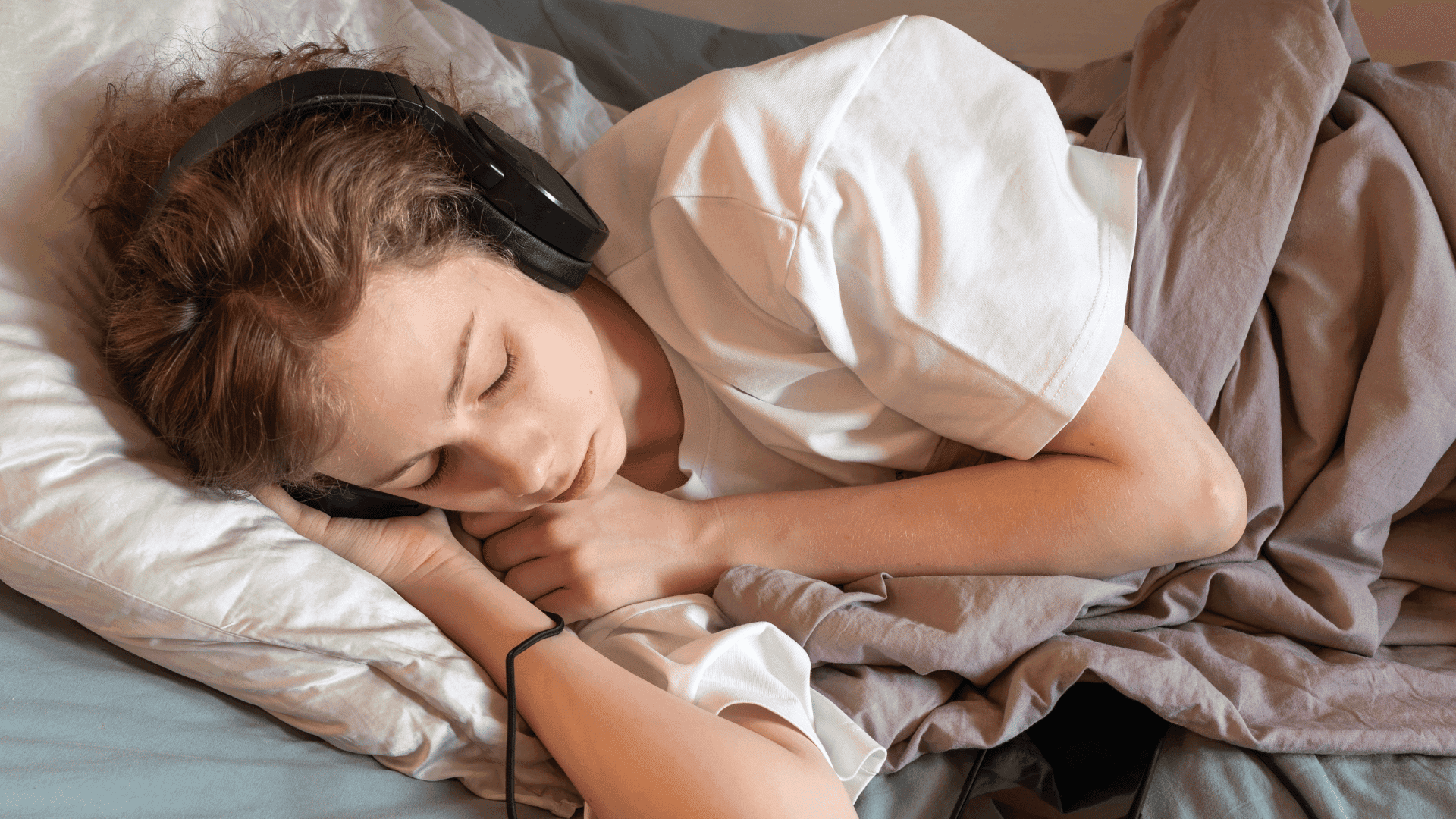
ADHD Bedtime Routine That Actually Works (From Parents Who've Tried Everything)
ADHD Bedtime Routine That Actually Works (From Parents Who've Tried Everything)
You have a bedtime routine. A good one.
Bath at 7. Teeth by 7:15. Story at 7:30. Lights out at 8.
By 9:30? Still awake.
Racing thoughts. Endless questions. Getting up for water. Needing the toilet. Finding any reason at all to leave their room.
You've been consistent. You've been patient. You've followed every piece of advice anyone has ever given you.
So why doesn't your ADHD bedtime routine actually work?
It took us years to understand this: the problem isn't that you need MORE routine. The problem is that standard routines are designed for neurotypical brains.
They focus on what happens around your child. They completely ignore what's happening *inside* their brain.
Why Standard Bedtime Routines Fail ADHD Children
Every sleep guide gives the same advice: establish a consistent bedtime routine. Bath, story, lights out. Same time every night.
This works beautifully for neurotypical children. Their brains take those environmental cues and naturally wind down. The routine signals "sleep is coming" and the brain responds.
ADHD brains don't follow that script.
Research published in PubMed Central, 2025: Facilitating sleep initiation in children with ADHD and sleep problems found that children with ADHD specifically identified "the importance of individualised approaches" to bedtime. One-size-fits-all routines consistently failed them.
The children in this study described a critical insight: they needed "a balance between activity and rest" and environmental factors that worked for their specific brain. Generic routines missed this entirely.
Here's why this matters: an ADHD child can complete every single step of a routine perfectly and still lie awake for hours. Because the routine addressed the external environment but did nothing for the internal one.
The Missing Piece: What Routines Leave Out
Most bedtime routines focus on removing things. No screens. No active play. No stimulation.
For neurotypical children, this works. Remove the stimulation and the brain naturally quiets.
For ADHD children, it creates a vacuum.
We've written about why your ADHD child won't sleep and the core issue is this: the ADHD brain doesn't have an "off switch" for thoughts. When you remove external stimulation, the internal stimulation ramps up. Racing thoughts. Random ideas. Worries. That song stuck on repeat.
The quieter you make the room, the louder their brain becomes.
According to the Journal of Clinical Sleep Medicine, 2023: The impact of sleep difficulties in children with ADHD on the family, children with ADHD experience "anxiety, fears, and overthinking" at bedtime. Parents in this study described bedtime as "hostile ground." It was the part of the day they dreaded most.
One parent said: "Bedtime becomes hostile ground, doesn't it? It's the time that you come to dread because you know, it's like, 'here we go again.'"
If you just nodded reading that, you're not alone.
The routine isn't failing because you're not consistent enough. It's failing because it's missing the one thing ADHD brains need: something to give racing thoughts somewhere to go.
Building an ADHD Bedtime Routine That Works
An effective ADHD bedtime routine needs the same structure as a neurotypical routine. Consistency matters even more for ADHD children. But it needs one addition: something that occupies the racing brain.
The DISCA Study (University of Southampton), 2024: Digital Intervention for Sleep in Children with ADHD identified this gap in current guidance. They note that "professionals rarely receive training in sleep" and often resort to melatonin as a "one-size-fits-all" approach. But melatonin makes you feel sleepy. It doesn't address the brain that stays active despite feeling tired.
The children who sleep well have routines that include calming INPUT, not just the removal of stimulating input.
The ADHD-Friendly Routine Structure
Here's a bedtime routine that actually works for ADHD brains. Notice what's different from the standard advice:
6:30pm: Physical wind-down
Some gentle movement. Nothing intense, but enough to let the body release energy. A walk around the garden. Stretching. Dancing to one favourite song. The Derbyshire Healthcare NHS Foundation Trust, 2024: Understanding ADHD & Sleep recommends "gentle exercise late afternoon" like walking, trampoline, or dancing.
7:00pm: Bath or shower
Warm water helps lower core body temperature afterward, which signals sleep to the body. This step stays the same as standard advice.
7:20pm: Teeth and pyjamas
Keep this predictable. Same order every night. ADHD brains struggle with transitions, so consistent sequences reduce resistance.
7:30pm: Quiet connection
This is where most routines stop. Story time, then lights out.
But for ADHD children, this is where the work actually begins. Their brain is about to be left alone with nothing to do. And it will find something to do, usually racing thoughts.
7:45pm: The missing piece, passive sound
This is what standard routines leave out.
Before lights out, give the brain something calming to focus on. Not something that requires engagement (that increases alertness). Passive sound like frequencies, gentle ambient audio, or soft soundscapes gives racing thoughts somewhere to land.
The brain that was hunting for stimulation now has it. But in a form that leads toward sleep rather than away from it.
8:00pm: Lights out, sound continues
Your child lies in the dark, but they're not alone with their thoughts. The sound continues, occupying the part of the brain that would otherwise be racing.
This is the difference between an hour of lying awake and actually falling asleep.
Why Passive Sound Changes Everything
Let's talk about why this works when other additions to routine don't.
Meditation apps? Most require active engagement. Focus on your breathing, follow the instructions, participate. For ADHD children, this adds cognitive demands at exactly the moment they need fewer demands.
Music? It depends. Songs with lyrics engage the language centres of the brain. Familiar music triggers memories and associations. Neither leads toward sleep.
Passive sound is different. Frequencies, soundscapes, and ASMR sounds designed for calming require nothing from your child. No focus. No participation. No decisions.
They simply give the seeking brain something to settle on.
Research shows children with ADHD respond to their environment differently. The right sensory input helps regulate their arousal levels. The wrong input increases alertness. Passive listening allows the brain to downregulate naturally. The audio asks nothing except presence.
This is why HushAway® content is designed for passive listening. No tapping required. No choices to make. No interaction needed. Just press play and let the sound do the work.
The "Just Press Play" Factor
By 7pm, you're done.
Breakfast negotiations. School run. Work. Homework. The after-school explosion. Dinner. You've got nothing left. Not patience, not energy, not one more ounce of "let's try being calm about this."
The last thing you need is a complicated bedtime approach that requires your active management for the next two hours.
We know. We've been exactly where you are.
That's why the missing piece works best when it requires nothing from you.
Press play on a calming soundscape. Leave the room. No guided meditation to supervise. No app choices to manage. No sitting there until they finally fall asleep.
The sound does the work. Your child's brain has somewhere to settle.
And you? You finally get to stop.
Handling ADHD Bedtime Struggles
Even with a better routine, there will be hard nights. ADHD bedtime struggles don't disappear overnight. But they become manageable.
"I can't stop thinking"
This is your child telling you their brain needs input, not less input. Respond with: "I know your brain is busy. Here's something for it to listen to while it settles."
Start the calming sounds. Give those thoughts somewhere to go.
"I'm not tired"
ADHD children often have a delayed circadian rhythm. Their melatonin kicks in about 45 minutes later than neurotypical children. They're telling the truth. Their body doesn't feel tired yet.
But here's the key: you can start the settling process before the body feels ready. The calming input helps the brain wind down even when the body hasn't caught up yet.
"Just one more thing"
The endless requests for water, trips to the toilet, and sudden questions are often attempts to manage anxiety or avoid the discomfort of being alone with racing thoughts.
Address the root cause. "I know your brain doesn't want to be alone. Here's something to keep it company."
Getting up repeatedly
If your child keeps leaving the room, they're likely seeking stimulation their brain is craving. Instead of fighting this battle, provide appropriate stimulation IN the bed. Passive sound meets their need without requiring them to leave.
What About Screen Time?
Standard advice says no screens before bed. The blue light argument is real. Screens can delay melatonin production.
But here's what the research also shows: for many ADHD children, screens serve a regulatory function. They provide external stimulation that helps the brain focus and calm.
Taking screens away without replacing what they provide leaves the brain hunting for stimulation. It usually finds it in racing thoughts, anxiety, or hyperactive behaviour.
The answer isn't simply "remove screens." It's "replace what screens were providing with something better for sleep."
That replacement is passive sound. It gives the brain the input it's seeking, but in a form designed for settling rather than stimulating.
A practical approach: screens off at the start of the wind-down routine, passive sound starting before lights out. The brain still gets input. Just the right kind.
The Consistency Question
"But we've tried routines before and they don't stick."
The Derbyshire Healthcare NHS Foundation Trust guidance makes an important point: "the ADHD brain takes longer to learn new routines so give it time (months rather than weeks)."
This is hard to hear when you're exhausted. But it's also liberating. You're not failing because the routine isn't working after a week. ADHD brains genuinely need longer to encode new patterns.
The other factor is this: if a routine is missing the key element (passive input for the racing brain), consistency won't help. You'll just be consistently doing something that doesn't work.
Add the missing piece first. Then give it time.
Calming ADHD Child at Bedtime: Quick Wins
While you're building the longer-term routine, here are immediate things that help:
Lower your energy first. Children with ADHD are highly attuned to parental stress. If you're tense and rushed at bedtime, they'll mirror that state. Take a breath before starting the routine. Your calm becomes their calm.
Reduce decisions. Every choice requires executive function. By end of day, that's already depleted. "Do you want the blue or red pyjamas?" becomes a crisis. Just hand them the pyjamas.
Prepare for transitions. "In five minutes we're starting the bedtime routine." ADHD brains struggle with sudden changes. Advance warning helps.
Keep lights dim. Bright lights signal "daytime" to the brain. Dim the house gradually through the evening.
Cool the bedroom. 16-18 degrees Celsius is the recommended range for sleep. Bodies fall asleep more easily when cooling down.
Start the sound before protests begin. Don't wait until your child is distressed and resisting. Start the calming sound as part of the routine, before the racing thoughts take over.
What This Looks Like in Practice
Imagine tonight going differently.
Same routine as always. Bath, teeth, pyjamas, story. But at 7:45, you press play on something calm. Your child lies down and the familiar pattern doesn't happen. No brain racing. No calling out. No getting up again and again. There's something else.
The sound gives their brain somewhere to land. Not silence to fight against. Not darkness that makes every thought louder. Just gentle, calming input that meets their brain exactly where it is.
You don't hear them calling out every few minutes. You don't find them in the hallway at 9pm, wide-eyed and apologetic. When you peek in at 8:30, they're asleep.
Not every night will be like this. ADHD sleep is variable; that's the nature of it. But tonight could be different. And sometimes different is all you need to keep going.
Try This Tonight
You don't need to rebuild your entire routine. You just need to add the one thing that's been missing.
Tonight, after story time, press play on something from the night time collection. That's the only change.
Tomorrow morning, you might find that bedtime went differently. Not perfectly. ADHD sleep is always variable. But differently.
And sometimes, different is all you need to keep going.
For more on understanding why ADHD children struggle with sleep, read our guide on why your ADHD child won't sleep. And for the complete picture, our complete guide to ADHD sleep problems covers everything from the science to practical solutions.
You have a bedtime routine. A good one.
Bath at 7. Teeth by 7:15. Story at 7:30. Lights out at 8.
By 9:30? Still awake.
Racing thoughts. Endless questions. Getting up for water. Needing the toilet. Finding any reason at all to leave their room.
You've been consistent. You've been patient. You've followed every piece of advice anyone has ever given you.
So why doesn't your ADHD bedtime routine actually work?
It took us years to understand this: the problem isn't that you need MORE routine. The problem is that standard routines are designed for neurotypical brains.
They focus on what happens around your child. They completely ignore what's happening *inside* their brain.
Why Standard Bedtime Routines Fail ADHD Children
Every sleep guide gives the same advice: establish a consistent bedtime routine. Bath, story, lights out. Same time every night.
This works beautifully for neurotypical children. Their brains take those environmental cues and naturally wind down. The routine signals "sleep is coming" and the brain responds.
ADHD brains don't follow that script.
Research published in PubMed Central, 2025: Facilitating sleep initiation in children with ADHD and sleep problems found that children with ADHD specifically identified "the importance of individualised approaches" to bedtime. One-size-fits-all routines consistently failed them.
The children in this study described a critical insight: they needed "a balance between activity and rest" and environmental factors that worked for their specific brain. Generic routines missed this entirely.
Here's why this matters: an ADHD child can complete every single step of a routine perfectly and still lie awake for hours. Because the routine addressed the external environment but did nothing for the internal one.
The Missing Piece: What Routines Leave Out
Most bedtime routines focus on removing things. No screens. No active play. No stimulation.
For neurotypical children, this works. Remove the stimulation and the brain naturally quiets.
For ADHD children, it creates a vacuum.
We've written about why your ADHD child won't sleep and the core issue is this: the ADHD brain doesn't have an "off switch" for thoughts. When you remove external stimulation, the internal stimulation ramps up. Racing thoughts. Random ideas. Worries. That song stuck on repeat.
The quieter you make the room, the louder their brain becomes.
According to the Journal of Clinical Sleep Medicine, 2023: The impact of sleep difficulties in children with ADHD on the family, children with ADHD experience "anxiety, fears, and overthinking" at bedtime. Parents in this study described bedtime as "hostile ground." It was the part of the day they dreaded most.
One parent said: "Bedtime becomes hostile ground, doesn't it? It's the time that you come to dread because you know, it's like, 'here we go again.'"
If you just nodded reading that, you're not alone.
The routine isn't failing because you're not consistent enough. It's failing because it's missing the one thing ADHD brains need: something to give racing thoughts somewhere to go.
Building an ADHD Bedtime Routine That Works
An effective ADHD bedtime routine needs the same structure as a neurotypical routine. Consistency matters even more for ADHD children. But it needs one addition: something that occupies the racing brain.
The DISCA Study (University of Southampton), 2024: Digital Intervention for Sleep in Children with ADHD identified this gap in current guidance. They note that "professionals rarely receive training in sleep" and often resort to melatonin as a "one-size-fits-all" approach. But melatonin makes you feel sleepy. It doesn't address the brain that stays active despite feeling tired.
The children who sleep well have routines that include calming INPUT, not just the removal of stimulating input.
The ADHD-Friendly Routine Structure
Here's a bedtime routine that actually works for ADHD brains. Notice what's different from the standard advice:
6:30pm: Physical wind-down
Some gentle movement. Nothing intense, but enough to let the body release energy. A walk around the garden. Stretching. Dancing to one favourite song. The Derbyshire Healthcare NHS Foundation Trust, 2024: Understanding ADHD & Sleep recommends "gentle exercise late afternoon" like walking, trampoline, or dancing.
7:00pm: Bath or shower
Warm water helps lower core body temperature afterward, which signals sleep to the body. This step stays the same as standard advice.
7:20pm: Teeth and pyjamas
Keep this predictable. Same order every night. ADHD brains struggle with transitions, so consistent sequences reduce resistance.
7:30pm: Quiet connection
This is where most routines stop. Story time, then lights out.
But for ADHD children, this is where the work actually begins. Their brain is about to be left alone with nothing to do. And it will find something to do, usually racing thoughts.
7:45pm: The missing piece, passive sound
This is what standard routines leave out.
Before lights out, give the brain something calming to focus on. Not something that requires engagement (that increases alertness). Passive sound like frequencies, gentle ambient audio, or soft soundscapes gives racing thoughts somewhere to land.
The brain that was hunting for stimulation now has it. But in a form that leads toward sleep rather than away from it.
8:00pm: Lights out, sound continues
Your child lies in the dark, but they're not alone with their thoughts. The sound continues, occupying the part of the brain that would otherwise be racing.
This is the difference between an hour of lying awake and actually falling asleep.
Why Passive Sound Changes Everything
Let's talk about why this works when other additions to routine don't.
Meditation apps? Most require active engagement. Focus on your breathing, follow the instructions, participate. For ADHD children, this adds cognitive demands at exactly the moment they need fewer demands.
Music? It depends. Songs with lyrics engage the language centres of the brain. Familiar music triggers memories and associations. Neither leads toward sleep.
Passive sound is different. Frequencies, soundscapes, and ASMR sounds designed for calming require nothing from your child. No focus. No participation. No decisions.
They simply give the seeking brain something to settle on.
Research shows children with ADHD respond to their environment differently. The right sensory input helps regulate their arousal levels. The wrong input increases alertness. Passive listening allows the brain to downregulate naturally. The audio asks nothing except presence.
This is why HushAway® content is designed for passive listening. No tapping required. No choices to make. No interaction needed. Just press play and let the sound do the work.
The "Just Press Play" Factor
By 7pm, you're done.
Breakfast negotiations. School run. Work. Homework. The after-school explosion. Dinner. You've got nothing left. Not patience, not energy, not one more ounce of "let's try being calm about this."
The last thing you need is a complicated bedtime approach that requires your active management for the next two hours.
We know. We've been exactly where you are.
That's why the missing piece works best when it requires nothing from you.
Press play on a calming soundscape. Leave the room. No guided meditation to supervise. No app choices to manage. No sitting there until they finally fall asleep.
The sound does the work. Your child's brain has somewhere to settle.
And you? You finally get to stop.
Handling ADHD Bedtime Struggles
Even with a better routine, there will be hard nights. ADHD bedtime struggles don't disappear overnight. But they become manageable.
"I can't stop thinking"
This is your child telling you their brain needs input, not less input. Respond with: "I know your brain is busy. Here's something for it to listen to while it settles."
Start the calming sounds. Give those thoughts somewhere to go.
"I'm not tired"
ADHD children often have a delayed circadian rhythm. Their melatonin kicks in about 45 minutes later than neurotypical children. They're telling the truth. Their body doesn't feel tired yet.
But here's the key: you can start the settling process before the body feels ready. The calming input helps the brain wind down even when the body hasn't caught up yet.
"Just one more thing"
The endless requests for water, trips to the toilet, and sudden questions are often attempts to manage anxiety or avoid the discomfort of being alone with racing thoughts.
Address the root cause. "I know your brain doesn't want to be alone. Here's something to keep it company."
Getting up repeatedly
If your child keeps leaving the room, they're likely seeking stimulation their brain is craving. Instead of fighting this battle, provide appropriate stimulation IN the bed. Passive sound meets their need without requiring them to leave.
What About Screen Time?
Standard advice says no screens before bed. The blue light argument is real. Screens can delay melatonin production.
But here's what the research also shows: for many ADHD children, screens serve a regulatory function. They provide external stimulation that helps the brain focus and calm.
Taking screens away without replacing what they provide leaves the brain hunting for stimulation. It usually finds it in racing thoughts, anxiety, or hyperactive behaviour.
The answer isn't simply "remove screens." It's "replace what screens were providing with something better for sleep."
That replacement is passive sound. It gives the brain the input it's seeking, but in a form designed for settling rather than stimulating.
A practical approach: screens off at the start of the wind-down routine, passive sound starting before lights out. The brain still gets input. Just the right kind.
The Consistency Question
"But we've tried routines before and they don't stick."
The Derbyshire Healthcare NHS Foundation Trust guidance makes an important point: "the ADHD brain takes longer to learn new routines so give it time (months rather than weeks)."
This is hard to hear when you're exhausted. But it's also liberating. You're not failing because the routine isn't working after a week. ADHD brains genuinely need longer to encode new patterns.
The other factor is this: if a routine is missing the key element (passive input for the racing brain), consistency won't help. You'll just be consistently doing something that doesn't work.
Add the missing piece first. Then give it time.
Calming ADHD Child at Bedtime: Quick Wins
While you're building the longer-term routine, here are immediate things that help:
Lower your energy first. Children with ADHD are highly attuned to parental stress. If you're tense and rushed at bedtime, they'll mirror that state. Take a breath before starting the routine. Your calm becomes their calm.
Reduce decisions. Every choice requires executive function. By end of day, that's already depleted. "Do you want the blue or red pyjamas?" becomes a crisis. Just hand them the pyjamas.
Prepare for transitions. "In five minutes we're starting the bedtime routine." ADHD brains struggle with sudden changes. Advance warning helps.
Keep lights dim. Bright lights signal "daytime" to the brain. Dim the house gradually through the evening.
Cool the bedroom. 16-18 degrees Celsius is the recommended range for sleep. Bodies fall asleep more easily when cooling down.
Start the sound before protests begin. Don't wait until your child is distressed and resisting. Start the calming sound as part of the routine, before the racing thoughts take over.
What This Looks Like in Practice
Imagine tonight going differently.
Same routine as always. Bath, teeth, pyjamas, story. But at 7:45, you press play on something calm. Your child lies down and the familiar pattern doesn't happen. No brain racing. No calling out. No getting up again and again. There's something else.
The sound gives their brain somewhere to land. Not silence to fight against. Not darkness that makes every thought louder. Just gentle, calming input that meets their brain exactly where it is.
You don't hear them calling out every few minutes. You don't find them in the hallway at 9pm, wide-eyed and apologetic. When you peek in at 8:30, they're asleep.
Not every night will be like this. ADHD sleep is variable; that's the nature of it. But tonight could be different. And sometimes different is all you need to keep going.
Try This Tonight
You don't need to rebuild your entire routine. You just need to add the one thing that's been missing.
Tonight, after story time, press play on something from the night time collection. That's the only change.
Tomorrow morning, you might find that bedtime went differently. Not perfectly. ADHD sleep is always variable. But differently.
And sometimes, different is all you need to keep going.
For more on understanding why ADHD children struggle with sleep, read our guide on why your ADHD child won't sleep. And for the complete picture, our complete guide to ADHD sleep problems covers everything from the science to practical solutions.
Make tomorrow feel easier
Whether it’s bedtime battles, big emotions or sensory overload, small sound moments can bring your child the reassurance and stability they need.



Make tomorrow feel easier
Whether it’s bedtime battles, big emotions or sensory overload, small sound moments can bring your child the reassurance and stability they need.
Make tomorrow feel easier
Whether it’s bedtime battles, big emotions or sensory overload, small sound moments can bring your child the reassurance and stability they need.
How long should an ADHD bedtime routine take?
Plan for 45-60 minutes from start to lights out. This gives enough time for each transition without rushing. Rushed routines increase anxiety, which makes settling harder. The calming sound portion should continue after lights out. This isn't part of the "active" routine time but extends the settling support.
What if my child resists every part of the routine?
Resistance often signals overwhelm or too many demands. Simplify the routine to absolute essentials: teeth, toilet, bed, sound. Add other elements back gradually once the basics are established. Also consider timing. Starting too early when the body genuinely isn't tired creates unnecessary battles.
Should the bedtime routine be the same on weekends?
Research shows inconsistent sleep schedules between weekdays and weekends worsen sleep problems for ADHD children. Aim for the same bedtime and routine, with perhaps a 30-minute flexibility on weekends. Major schedule shifts (staying up 2 hours later) take days to recover from.
My child says the calming sounds are "boring." Should I force them?
"Boring" often means "not stimulating enough to override my racing thoughts." This actually suggests the sounds need to be different, not more engaging. Try different sound types. Some children respond better to nature sounds, others to frequencies, others to gentle stories. The goal is something absorbing enough to occupy the brain without requiring active attention.
How long until an ADHD bedtime routine starts working?
Expect 4-6 weeks before the routine is embedded. You may see improvements in the first week (the passive sound element often shows quick results), but the full routine becoming automatic takes longer. Don't judge the routine's success in week one.
Does medication affect which bedtime routine works?
Stimulant ADHD medication can extend sleep onset time, meaning your child takes longer to fall asleep even when following a routine. The timing of medication matters. Discuss with your prescriber if evening doses seem to affect sleep. The passive sound element becomes even more valuable when medication extends that transition period.
How long should an ADHD bedtime routine take?
Plan for 45-60 minutes from start to lights out. This gives enough time for each transition without rushing. Rushed routines increase anxiety, which makes settling harder. The calming sound portion should continue after lights out. This isn't part of the "active" routine time but extends the settling support.
What if my child resists every part of the routine?
Resistance often signals overwhelm or too many demands. Simplify the routine to absolute essentials: teeth, toilet, bed, sound. Add other elements back gradually once the basics are established. Also consider timing. Starting too early when the body genuinely isn't tired creates unnecessary battles.
Should the bedtime routine be the same on weekends?
Research shows inconsistent sleep schedules between weekdays and weekends worsen sleep problems for ADHD children. Aim for the same bedtime and routine, with perhaps a 30-minute flexibility on weekends. Major schedule shifts (staying up 2 hours later) take days to recover from.
My child says the calming sounds are "boring." Should I force them?
"Boring" often means "not stimulating enough to override my racing thoughts." This actually suggests the sounds need to be different, not more engaging. Try different sound types. Some children respond better to nature sounds, others to frequencies, others to gentle stories. The goal is something absorbing enough to occupy the brain without requiring active attention.
How long until an ADHD bedtime routine starts working?
Expect 4-6 weeks before the routine is embedded. You may see improvements in the first week (the passive sound element often shows quick results), but the full routine becoming automatic takes longer. Don't judge the routine's success in week one.
Does medication affect which bedtime routine works?
Stimulant ADHD medication can extend sleep onset time, meaning your child takes longer to fall asleep even when following a routine. The timing of medication matters. Discuss with your prescriber if evening doses seem to affect sleep. The passive sound element becomes even more valuable when medication extends that transition period.
Founder & Creative Lead - The PeacePath® | Creator of HushAway® Neurodivergent Inclusive Coach | Voice Artist & Storyteller | Sound Therapy Practitioner