✨ Calm support for bedtime, focus and overwhelm, Free for 14 days. No card needed
✨ Calm support for bedtime, focus and overwhelm, Free for 14 days. No card needed
✨ Start your free trial today!

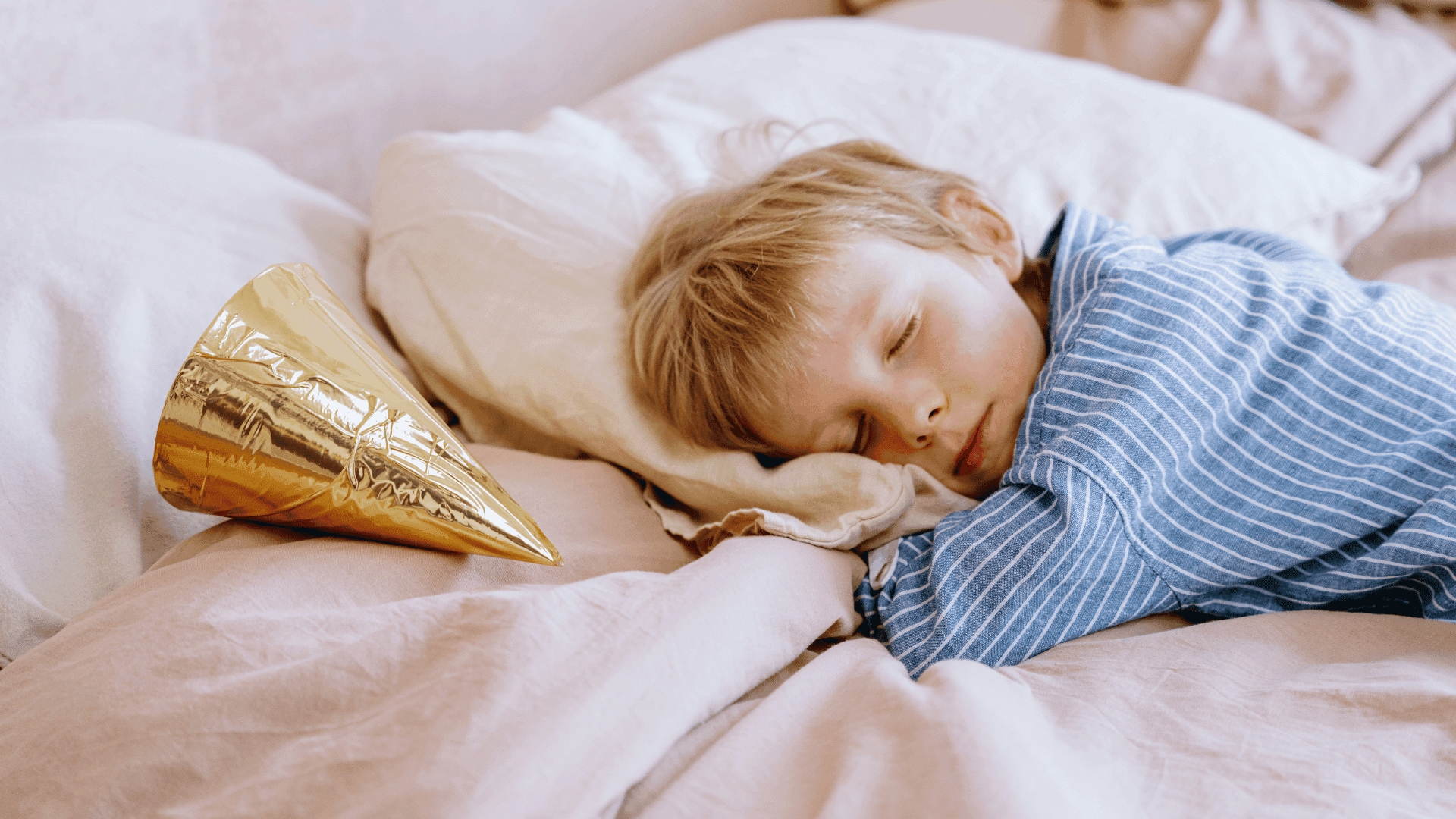
ADHD Sleep Problems: The Complete UK Parent's Guide
ADHD Sleep Problems: The Complete UK Parent's Guide
It's 10pm. Your child has been in bed for two hours.
You can hear them moving around. Asking questions through the door. Finding reasons to come downstairs. They're exhausted. You can see it in their eyes. You're exhausted too. And yet, sleep won't come.
You've tried everything. The consistent routine. The screen limits. The calming stories. Maybe even melatonin. Some nights are better than others, but nothing really solves it.
If this sounds like your house, you're not alone. And you're not doing anything wrong.
ADHD sleep problems affect roughly 75% of children with the condition. That's three in four ADHD kids struggling to sleep, yet most of the advice you'll find doesn't work. Standard sleep guidance was designed for neurotypical brains. It misses what's actually keeping your child awake.
This guide brings together everything UK parents need to know about ADHD and sleep: why it happens, what the research says, what actually helps, and the missing piece that nobody talks about.
Why ADHD Sleep Problems Are Different
Every sleep guide says the same things. Consistent bedtime. Cool room. No screens. Create a calming routine.
You've done all of that. You've probably done it for months, maybe years.
This advice works for neurotypical children. Their brains take those environmental cues, wind down, and drift off.
ADHD brains don't follow that script.
Research from the University Hospital Southampton NHS Foundation Trust, 2022: Southampton researchers launch new study to help children with ADHD sleep better found that almost 75% of children with ADHD have sleep problems. Professor Samuele Cortese, leading the research, noted that despite these high numbers, there's no national guidance for health professionals on treating ADHD sleep problems. Many clinicians default to melatonin because they're unsure what else to recommend.
Here's what that means for you: The problem isn't that you're doing it wrong. The problem is that generic sleep advice wasn't built for how your child's brain works. You've been following the right advice. It's just advice designed for different brains.
The Racing Brain That Won't Switch Off
One parent in a UK sleep study described it perfectly: "When it comes to bedtime, feeling tired doesn't come naturally to him and he can lie in bed awake until midnight. His mind is racing."
This is the core issue. When neurotypical children lie down, their brains naturally slow activity. Thoughts quiet. The body relaxes into sleep.
ADHD brains don't have an automatic "off switch" for thoughts. When external stimulation stops (lights off, room quiet), internal stimulation ramps up. Ideas. Worries. Random thoughts about dinosaurs. Questions about space. Replaying conversations.
The quieter the room, the louder the brain becomes.
A landmark study by the University of Nottingham / Wellcome Trust, 2011: Brain scans show children with ADHD have faulty off-switch for mind-wandering found that children with ADHD struggle to switch off the part of their brain responsible for daydreaming and spontaneous thoughts. At bedtime, with nothing interesting to focus on, that internal world takes over.
We've written a detailed guide on racing thoughts at bedtime if this is your child's main struggle. Understanding the mechanism is the first step to addressing it.
The Circadian Rhythm Difference
Here's something that might surprise you: ADHD brains often run on a different internal clock.
Research published in Frontiers in Psychiatry, 2025: ADHD as a circadian rhythm disorder found that 73-78% of children and adults with ADHD have a delayed sleep/wake cycle. Their melatonin kicks in about 45 minutes later than neurotypical children.
When you put your ADHD child to bed at 8pm because that's when children "should" go to bed, their brain genuinely isn't ready for sleep yet. They're not being defiant. Their body clock runs on a different schedule.
This explains something many parents notice: their ADHD child seems to come alive in the evening. While other children in the household are winding down, the ADHD child has a second wind. They're not trying to cause problems. Their body is genuinely alert when others are getting drowsy.
The circadian delay also affects mornings. If your child's body clock runs 45 minutes to an hour late, they may struggle more with early wake times. Getting up for school becomes a battle not because they stayed up too late, but because their internal clock says it's still the middle of the night.
How This Affects Your Child (And Your Whole Family)
ADHD sleep problems don't just affect your child. They ripple through the entire household.
According to the Journal of Clinical Sleep Medicine, 2023: The impact of sleep difficulties in children with ADHD on the family, the effects are significant:
Children with ADHD move through sleep stages differently and sleep about one hour less per night
They experience less REM sleep, more frequent arousals, and lighter sleep overall
Parents described bedtime as "hostile ground" they came to dread
One mother said she felt like "failure on toast" because nothing she tried seemed to work
"Failure on toast." That phrase probably resonates. You've tried so hard. Done everything right. And still, bedtime feels like walking into a battle you've already lost.
Here's what we want you to know: This isn't about willpower or parenting skills. This is about brain wiring. Your child isn't choosing to stay awake. And you're not failing them.
Why Standard Sleep Advice Fails ADHD Children
Let's be honest about what happens when you follow typical sleep advice with an ADHD child.
"Establish a Consistent Routine"
Yes, routine matters. ADHD children actually need predictability MORE than neurotypical children.
But here's the gap: most routine advice focuses on what happens AROUND sleep (bath, story, lights out) without addressing what happens INSIDE the brain during those activities.
An ADHD child can go through every step of a bedtime routine perfectly and still lie awake for hours because their brain hasn't been given what it needs to transition to sleep.
We've written a complete guide to building an ADHD-friendly bedtime routine that addresses this specific gap.
"Remove Screen Time Before Bed"
The blue light argument is real. Screens can delay melatonin production.
But for many ADHD children, screens serve a regulatory function. They provide external stimulation that helps the brain focus and calm. Taking screens away without replacing that function leaves the brain hunting for stimulation. That usually means racing thoughts, anxiety, or hyperactive behaviour.
The answer isn't simply "remove screens." It's "replace what screens were providing with something better for sleep."
"Make Sure They Get Enough Exercise"
Physical activity does help. Research shows high-intensity physical activity during the day can reduce sleep problems in ADHD children.
But exercise alone isn't enough if the brain still can't switch off at night. A physically tired child with an active ADHD brain will lie in bed exhausted and unable to sleep. That's almost worse, because now they're frustrated AND overtired.
"Try Melatonin"
In the UK, melatonin requires a prescription for children. It's often the first thing clinicians suggest for ADHD sleep problems.
The DISCA Study (University of Southampton), 2024: Digital Intervention for Sleep in Children with ADHD found that melatonin is often prescribed as a "one size fits all" treatment, even though it doesn't always work and might not be the most effective long-term approach.
Here's the key limitation: melatonin helps children feel sleepy. It doesn't help with the racing brain that stays active despite feeling tired.
Think about what that means in practice. Your child takes melatonin. Thirty minutes later, they feel drowsy. Their body relaxes. Their eyes get heavy. But their brain? Still racing. Still generating thoughts. Still unable to settle.
The result is a child who is physically tired, mentally wired, and frustrated by the mismatch. This is why some parents report that melatonin "worked at first" but stopped being effective. It wasn't that tolerance developed. Melatonin was only ever addressing half the problem.
Melatonin can be part of a sleep solution. But it's rarely the complete solution, especially when racing thoughts are involved.
For more on this, including what to do when melatonin isn't enough, see our guide on non-medication sleep help.
The Missing Piece Nobody Talks About
Here's what changed everything for us at HushAway®, and for the families we work with:
The ADHD brain needs INPUT to calm down, not just the removal of input.
Read that again. It's the opposite of what most sleep advice tells you.
When we try to create sleep by taking things away (screens, activity, stimulation), we leave the ADHD brain in a vacuum. And brains don't like vacuums. They fill them with racing thoughts, anxiety, or restless energy.
Think about what happens at bedtime: You take away the TV. You take away the toys. You make the room quiet and dark. For a neurotypical child, this signals "time to sleep."
For an ADHD child? You've just removed every external focus. Now their brain has nothing to do except generate its own content. And generate it does. Thoughts, worries, questions, ideas, memories, plans. All at once. At full volume.
The solution isn't fighting to focus on nothing. It's giving the brain something calming TO focus on.
Why Sound Is the Missing Piece
Sound works particularly well for ADHD brains. And there's solid research behind this.
A meta-analysis published in the Journal of the American Academy of Child & Adolescent Psychiatry, 2024: Systematic Review and Meta-Analysis: Do White Noise and Pink Noise Help With Task Performance in Youth With ADHD found that white and pink noise produced a small but statistically significant improvement in cognitive function for children with ADHD.
But here's the truly interesting part: the same sounds had the opposite effect on neurotypical children. For children without ADHD, white and pink noise slightly reduced their performance.
What does that tell us? ADHD brains genuinely respond differently to sound. What helps them can actually hinder others. This isn't about preferences or what "works for some kids." It's about neurobiology.
Your child's brain is wired to need input. When you provide calm, consistent input that requires nothing from them, the racing thoughts finally have somewhere to rest.
How Passive Sound Works
The leading theory is called "optimal arousal." ADHD brains tend to be under-aroused and constantly seek stimulation. At bedtime, when external stimulation drops, the brain creates its own: racing thoughts, physical restlessness, seeking behaviour.
Passive sound provides just enough external input to satisfy that need. The brain stops generating its own stimulation because it's receiving some from outside. The racing thoughts quiet naturally, not because they've been forced to stop, but because they're no longer needed.
The key word is "passive." Active engagement (games, apps requiring choices, even some meditation programmes) can actually increase alertness. Passive listening allows the brain to downregulate naturally. It asks nothing of your child except presence.
For a detailed look at which sounds work and why, see our complete guide to calming sounds for ADHD children.
Why "Just Press Play" Matters for Exhausted Parents
We understand something at HushAway®: you're exhausted too.
By bedtime, you've already survived breakfast battles, school runs, homework struggles, after-school meltdowns, and dinner negotiations. The idea of implementing one more thing feels overwhelming. One more technique, one more programme, one more approach to remember.
That's why passive listening is different.
There's nothing to implement. No behaviour charts. No reward systems. No lengthy guided meditations where you need to keep your child engaged. No apps that require you to guide them through choices.
Press play. That's it.
Your child doesn't need to do anything. You don't need to do anything. The sounds give their brain something calming to focus on. Everyone finally gets to rest. You included.
We built HushAway® this way on purpose. Because we've been those exhausted parents too. We know that the best solution is one that requires nothing from you when you have nothing left to give.
ADHD Sleep Solutions by Age
Sleep challenges evolve as children grow. Here's what works at different stages.
Toddlers and Preschoolers (Ages 2-5)
At this age, children may not have an ADHD diagnosis yet, but sleep problems often appear early.
Common challenges:
Resisting bedtime
Needing a parent present to fall asleep
Frequent night waking
Early morning waking
What helps:
Consistent, simple routines (ADHD brains need predictability)
Ambient sounds or nature audio starting before settling
Dim lighting from early evening
Minimal choices at bedtime (reduce decisions)
The goal is establishing patterns early. Even without a formal diagnosis, if your young child shows signs of an active brain that won't settle, passive sound can help.
Primary School Age (Ages 5-10)
This is often when ADHD diagnosis happens and when school demands make sleep more critical.
Common challenges:
Racing thoughts that intensify at bedtime
Difficulty transitioning from activity to rest
Bedtime resistance and stalling
Impact of ADHD medication on sleep
What helps:
ADHD-friendly bedtime routine with passive sound element
Starting wind-down 45-60 minutes before target sleep time
Addressing racing thoughts with calming audio input
Working with the child's natural body clock where possible
This age group often responds well to frequencies, gentle soundscapes, or night time stories that require no interaction. The sound becomes part of the routine. Predictable and reliable.
A note for this age group: school adds enormous demands. The cognitive effort of learning, social navigation, and sensory overload in busy classrooms takes its toll. By evening, your child may be both exhausted AND overstimulated. This combination makes sleep particularly difficult. Having a reliable calming tool becomes more valuable during term time, when the stakes of poor sleep (school performance, behaviour, emotional regulation) are highest.
Tweens and Teens (Ages 10+)
Adolescence adds new challenges: hormonal changes, later natural sleep timing, increasing independence, and often intensifying ADHD symptoms.
Common challenges:
Even more delayed circadian rhythms
Screen use extending into night
Homework and social stress affecting sleep
Wanting autonomy over bedtime
What helps:
Respecting the biological reality of later sleep timing
Binaural beats or frequencies (older children can use headphones)
Negotiating screen curfews with replacement input
Giving them control over which sounds they use
Teens often reject strategies that feel "childish" or controlling. Offering choice within boundaries works better than rigid rules.
The good news for this age group: they can understand the reasoning behind strategies. Explaining the neuroscience gives them ownership over their sleep solutions rather than feeling controlled by parental rules. Help them understand why their brain works this way, why sound helps, and what's happening in their circadian system.
Understanding the Types of ADHD Sleep Problems
Not all ADHD sleep problems look the same. Understanding which type your child experiences helps you target solutions more effectively.
Sleep Onset Insomnia
The most common ADHD sleep problem: taking too long to fall asleep. Your child lies in bed, brain racing, unable to drift off. This can last anywhere from 30 minutes to several hours.
The primary cause is usually the racing brain that won't switch off, combined with delayed melatonin production. The solution targets both: work with the circadian timing (light exposure, possibly melatonin) AND address the racing brain (passive sound, routine).
Sleep Maintenance Insomnia
Some ADHD children fall asleep fine but wake during the night and can't get back to sleep. They may be more alert, need the toilet frequently, or simply wake for no apparent reason and then lie awake with racing thoughts.
For these children, having sound continue through the night can help. If they wake and the room is silent, their brain starts generating content. If calming sound is playing, they have something to settle back to.
Early Morning Waking
Waking at 5am, fully alert, unable to return to sleep. This is sometimes the flip side of delayed sleep. If the body clock runs late but the child still needs to wake for school, they accumulate sleep debt. Other times it's about brain activity increasing in the lighter sleep phases of early morning.
Restless Sleep
Tossing, turning, kicking off covers, talking in sleep. ADHD children may have more fragmented sleep with lighter sleep phases. They're not getting the restorative deep sleep their bodies need, even when total hours seem adequate.
Bedtime Resistance
Not wanting to go to bed, finding every excuse to stay up, becoming distressed about bedtime. This can be driven by the racing brain (they know lying in silence is uncomfortable), by the circadian delay (their body genuinely isn't ready), or by anxiety about sleep itself after too many difficult nights.
Understanding which pattern your child shows helps you focus your energy. A child with sleep onset insomnia needs different emphasis than one with early morning waking.
ADHD Sleep and Co-occurring Conditions
Many ADHD children have additional conditions that affect sleep.
ADHD and Autism
Between 50-70% of autistic children also have ADHD. Sleep problems in these children can be particularly complex because ADHD and autism affect sleep differently.
ADHD sleep challenges: Racing brain, circadian delays, variable night-to-night patterns
Autism sleep challenges: Sensory sensitivities, transition difficulties, routine disruption distress
When both conditions are present, you need strategies that address both: sensory-safe environment (autism need) plus calming brain input (ADHD need).
We've written a complete comparison of ADHD sleep vs autism sleep that helps parents identify which challenges their child faces.
ADHD and Anxiety
The Journal of Clinical Sleep Medicine study found that "difficulties settling at bedtime could be heavily influenced by children experiencing anxiety, fears, and overthinking."
Anxious racing thoughts aren't the same as general ADHD racing thoughts. They loop. They escalate. They focus on worries. But the solution is similar: give those thoughts somewhere else to land. Passive sound provides competition for anxious thoughts, preventing them from dominating the quiet room.
ADHD and Medication Effects
Stimulant ADHD medications (methylphenidate, lisdexamfetamine) work by increasing alertness. If the medication is still active at bedtime, sleep onset can be delayed.
Signs medication may be affecting sleep:
Difficulty falling asleep started or worsened when medication began
Better sleep on medication-free days (weekends if you take breaks)
Sleep timing shifted later after dosage increases
Discuss these patterns with your prescriber. Timing adjustments, different formulations, or dosage changes might help. But even with optimised medication, non-medication sleep strategies remain valuable.
ADHD and Sensory Processing
Many ADHD children have sensory processing differences. They may be extra sensitive to touch, sound, light, or temperature. At bedtime, these sensitivities become more noticeable when other distractions fade.
A child who seems fine during the day might suddenly notice that their pyjamas feel scratchy, that the streetlight is too bright, that they can hear the boiler humming. These sensory intrusions can prevent settling even when the brain is ready for sleep.
Addressing sensory needs is often overlooked in ADHD sleep guidance. Consider:
Soft, tagless pyjamas in preferred fabrics
Blackout blinds or curtains
Room temperature regulation (ADHD children may run hot)
The right kind of sound (not silence, but not jarring either)
The Connection Between Sleep and ADHD Symptoms
Poor sleep doesn't just make children tired. It actively worsens ADHD symptoms.
A child who hasn't slept well has reduced attention, poorer impulse control, more emotional reactivity, and lower frustration tolerance. These are already challenges for ADHD children. Add sleep deprivation on top, and everything becomes harder.
This creates a vicious cycle. Poor sleep worsens ADHD symptoms. Worsened symptoms make the next day more stressful. Stress makes the following night's sleep harder. And round it goes.
Breaking this cycle matters. When sleep improves, daytime behaviour often improves with it. Parents sometimes report that better sleep made more difference to their child's functioning than medication adjustments.
Practical Steps: Building Your Child's Sleep Solution
Here's how to put this all together.
Step 1: Identify the Primary Challenge
What's the main issue keeping your child awake?
Racing thoughts? Start with calming sounds that give the brain somewhere to focus.
Circadian rhythm delay? Consider adjusting bedtime to work WITH their body clock, while using light exposure and sound to gradually shift timing.
Bedtime resistance? Focus on routine with built-in transition support.
Medication effects? Talk to your prescriber AND add non-medication support.
Step 2: Create the Right Environment
This is about removing obstacles, not creating miracles:
Temperature: 16-18 degrees Celsius works best
Darkness: Blackout blinds if streetlights are an issue
Sound: Not silent (that's often the problem), but with calming passive audio
Minimal stimulation: Reduce clutter, screens, and bright colours in the sleep space
Step 3: Build an ADHD-Friendly Routine
Standard routine advice misses one key final step. Here's the sequence that works:
6:30pm: Gentle wind-down begins (dim lights, reduce activity)
7:00pm: Bath or shower
7:20pm: Teeth, pyjamas, toilet
7:30pm: Quiet connection time (story, chat)
7:45pm: Passive sound begins
8:00pm: Lights out, sound continues
The sound catches racing thoughts before they take over. Your child lies in the dark, but they're not alone with their thoughts.
Why does timing matter? If you start sound too late, after your child is already distressed and thoughts are spiralling, you're playing catch-up. Starting it early, as part of the routine, prevents the spiral from starting. Prevention is easier than rescue.
Step 4: Add Non-Medication Support
Beyond sound, consider:
Morning bright light: Helps set the circadian clock
Evening light reduction: Supports natural melatonin production
Physical activity: Earlier in the day, not right before bed
Consistent wake times: Even more important than consistent bedtimes
Step 5: Consider Medication When Appropriate
This isn't an either/or decision. Non-medication approaches aren't about rejecting medication.
For some children, melatonin helps with the circadian delay while passive sound helps with the racing brain. Together, they cover more of the problem than either alone.
For others, non-medication approaches are enough. You won't know until you try.
See our guide on non-medication sleep help for more on when medication makes sense.
What to Expect: Realistic Timelines
Sleep improvements don't happen overnight (ironically). Here's what's realistic:
First few nights: Your child might notice the sound and comment on it. Some resist. Some are curious. This is normal.
First week: Many families notice some improvement. Racing thoughts may reduce. Settling time may shorten. Not dramatically, but noticeably.
Weeks 2-4: The sound becomes normal. Your child stops noticing it consciously, which is when it works best. Routine begins to embed.
Months 1-3: This is when ADHD brains truly learn new patterns. The NHS guidance notes that "the ADHD brain takes longer to learn new routines so give it time (months rather than weeks)."
Don't judge success after three nights. Give it a proper trial.
When Things Don't Go as Expected
Some nights will still be hard. ADHD sleep is more variable than neurotypical sleep. This is a characteristic of the condition, not a failure of the approach.
If Your Child Resists the Sound
Try different types. Some children prefer frequencies, others prefer nature sounds, others prefer gentle stories. The variety in The Sound Sanctuary lets you experiment.
If Improvements Plateau
Add another element. Maybe sound helped with racing thoughts, but now circadian rhythm is the issue. Layer strategies.
If Nothing Seems to Work
Consider whether you've identified the right challenge. If your child has both ADHD and autism, are you addressing both sets of needs? If medication is involved, have you discussed timing with the prescriber?
Some children need more intensive support. The DISCA study is researching digital behavioural support specifically for ADHD sleep. Ask your GP or paediatrician about available programmes.
The UK Context: What Parents Need to Know
ADHD sleep guidance differs between countries. Here's what's specific to UK families.
Melatonin Prescribing
Unlike the US (where melatonin is sold as a supplement), UK parents need a prescription for melatonin for children. This typically requires a specialist referral from a paediatrician, child psychiatrist, or CAMHS. GPs may continue prescribing once a specialist has initiated it.
NHS Sleep Support
Sleep support through the NHS varies enormously by area. Some regions have paediatric sleep clinics. Many don't. The DISCA study exists partly because face-to-face sleep programmes are hard to access.
Ask your GP what's available locally. But be prepared for the answer to be "not much." That's why self-help approaches using sound and routine become so valuable.
Research and Resources
UK-based research is leading the way on ADHD sleep:
The Southampton DISCA study is developing digital sleep programmes
Nottinghamshire NHS has produced guidance on neurodivergent sleep
Multiple NHS trusts have created downloadable resources
These resources acknowledge what many parents already know: standard sleep advice doesn't work for ADHD brains.
Frequently Misunderstood Aspects of ADHD Sleep
Let's address some common misconceptions that can derail parents' efforts.
"They're Just Not Trying Hard Enough"
If anyone has ever said this to you, please know: it's not true. Even if you've thought it yourself in a moment of frustration.
Your child isn't choosing to lie awake. They can't simply decide to stop their brain from racing any more than they can decide to stop being hungry. Telling them to "just relax" or "just stop thinking" asks them to do something neurologically difficult for their brain.
What looks like not trying is often a child who has tried everything they know how to try and failed. They're not being stubborn. They're stuck.
The answer isn't more effort. It's different strategies that work with their brain.
"We Just Need to Be More Consistent"
You've probably been incredibly consistent already. More consistent than most families could ever manage.
But here's the truth: consistency with the wrong approach just means consistently failing. If your routine is missing the element that addresses the racing brain, doing it more consistently won't suddenly make it work.
The goal is consistent application of the right approach, not just more of the same. And you're not failing because you weren't consistent enough. You were consistent with advice that wasn't designed for your child's brain.
"If They Were Really Tired, They'd Sleep"
This seems logical but doesn't apply to ADHD brains. Physical tiredness and brain tiredness aren't the same thing. Your child can be physically exhausted. Yawning, heavy-eyed, struggling to stay upright. And their brain remains fully active.
In fact, being overtired can make ADHD sleep problems WORSE. The body is desperate for rest while the brain becomes more overwhelmed. This is why "letting them stay up until they're really tired" often backfires spectacularly.
"This Is Just a Phase"
Some children's sleep problems do improve naturally. But for many ADHD children, sleep difficulties persist into adolescence and adulthood unless actively addressed. Waiting for them to outgrow it can mean years of poor sleep, with all the developmental, educational, and emotional consequences that brings.
It's better to assume you need to address it and be pleasantly surprised if it resolves than to wait years for a resolution that may not come.
Starting Tonight: Your First Step
You've read the research. You understand why generic advice fails. You know what makes ADHD sleep different.
Now what? Here's what you can do tonight.
One small thing:
Pick one sound from The Sound Sanctuary. It's HushAway®'s collection designed for sensitive and neurodivergent children. Start it as your child settles into bed, before the racing thoughts take over.
Don't announce it as a new "technique." Don't make it a thing. Just have the sound playing as part of settling in.
Watch what happens when their brain has somewhere calm to focus instead of generating its own content.
You might notice:
Fewer questions and call-outs
Body relaxing faster
Less time to sleep onset
A calmer feeling in the room
You might not see dramatic change the first night. That's okay. Give it a week. Their brain needs time to learn that it can trust the sound to be there, to be consistent, to be something it can rest on.
The Bigger Picture
ADHD sleep problems are real, common, and neurobiological. They're not about parenting failures or children being difficult.
You haven't failed. You've been working harder than most parents ever have to. Trying everything. Researching everything. Staying up worrying about the same child who's staying up because they can't help it.
The solution isn't trying harder at strategies designed for different brains. It's using approaches that work WITH how your child's brain actually functions.
Sound-based passive listening is the missing piece in most ADHD sleep guidance. It gives the racing brain something calming to focus on. It requires zero effort from exhausted parents. It works alongside other strategies. That includes medication when needed.
The Sound Sanctuary from HushAway® is designed for brains like your child's, created by parents who understand.
One quiet moment can change a whole day for a child. Sometimes that moment starts the night before.
It's 10pm. Your child has been in bed for two hours.
You can hear them moving around. Asking questions through the door. Finding reasons to come downstairs. They're exhausted. You can see it in their eyes. You're exhausted too. And yet, sleep won't come.
You've tried everything. The consistent routine. The screen limits. The calming stories. Maybe even melatonin. Some nights are better than others, but nothing really solves it.
If this sounds like your house, you're not alone. And you're not doing anything wrong.
ADHD sleep problems affect roughly 75% of children with the condition. That's three in four ADHD kids struggling to sleep, yet most of the advice you'll find doesn't work. Standard sleep guidance was designed for neurotypical brains. It misses what's actually keeping your child awake.
This guide brings together everything UK parents need to know about ADHD and sleep: why it happens, what the research says, what actually helps, and the missing piece that nobody talks about.
Why ADHD Sleep Problems Are Different
Every sleep guide says the same things. Consistent bedtime. Cool room. No screens. Create a calming routine.
You've done all of that. You've probably done it for months, maybe years.
This advice works for neurotypical children. Their brains take those environmental cues, wind down, and drift off.
ADHD brains don't follow that script.
Research from the University Hospital Southampton NHS Foundation Trust, 2022: Southampton researchers launch new study to help children with ADHD sleep better found that almost 75% of children with ADHD have sleep problems. Professor Samuele Cortese, leading the research, noted that despite these high numbers, there's no national guidance for health professionals on treating ADHD sleep problems. Many clinicians default to melatonin because they're unsure what else to recommend.
Here's what that means for you: The problem isn't that you're doing it wrong. The problem is that generic sleep advice wasn't built for how your child's brain works. You've been following the right advice. It's just advice designed for different brains.
The Racing Brain That Won't Switch Off
One parent in a UK sleep study described it perfectly: "When it comes to bedtime, feeling tired doesn't come naturally to him and he can lie in bed awake until midnight. His mind is racing."
This is the core issue. When neurotypical children lie down, their brains naturally slow activity. Thoughts quiet. The body relaxes into sleep.
ADHD brains don't have an automatic "off switch" for thoughts. When external stimulation stops (lights off, room quiet), internal stimulation ramps up. Ideas. Worries. Random thoughts about dinosaurs. Questions about space. Replaying conversations.
The quieter the room, the louder the brain becomes.
A landmark study by the University of Nottingham / Wellcome Trust, 2011: Brain scans show children with ADHD have faulty off-switch for mind-wandering found that children with ADHD struggle to switch off the part of their brain responsible for daydreaming and spontaneous thoughts. At bedtime, with nothing interesting to focus on, that internal world takes over.
We've written a detailed guide on racing thoughts at bedtime if this is your child's main struggle. Understanding the mechanism is the first step to addressing it.
The Circadian Rhythm Difference
Here's something that might surprise you: ADHD brains often run on a different internal clock.
Research published in Frontiers in Psychiatry, 2025: ADHD as a circadian rhythm disorder found that 73-78% of children and adults with ADHD have a delayed sleep/wake cycle. Their melatonin kicks in about 45 minutes later than neurotypical children.
When you put your ADHD child to bed at 8pm because that's when children "should" go to bed, their brain genuinely isn't ready for sleep yet. They're not being defiant. Their body clock runs on a different schedule.
This explains something many parents notice: their ADHD child seems to come alive in the evening. While other children in the household are winding down, the ADHD child has a second wind. They're not trying to cause problems. Their body is genuinely alert when others are getting drowsy.
The circadian delay also affects mornings. If your child's body clock runs 45 minutes to an hour late, they may struggle more with early wake times. Getting up for school becomes a battle not because they stayed up too late, but because their internal clock says it's still the middle of the night.
How This Affects Your Child (And Your Whole Family)
ADHD sleep problems don't just affect your child. They ripple through the entire household.
According to the Journal of Clinical Sleep Medicine, 2023: The impact of sleep difficulties in children with ADHD on the family, the effects are significant:
Children with ADHD move through sleep stages differently and sleep about one hour less per night
They experience less REM sleep, more frequent arousals, and lighter sleep overall
Parents described bedtime as "hostile ground" they came to dread
One mother said she felt like "failure on toast" because nothing she tried seemed to work
"Failure on toast." That phrase probably resonates. You've tried so hard. Done everything right. And still, bedtime feels like walking into a battle you've already lost.
Here's what we want you to know: This isn't about willpower or parenting skills. This is about brain wiring. Your child isn't choosing to stay awake. And you're not failing them.
Why Standard Sleep Advice Fails ADHD Children
Let's be honest about what happens when you follow typical sleep advice with an ADHD child.
"Establish a Consistent Routine"
Yes, routine matters. ADHD children actually need predictability MORE than neurotypical children.
But here's the gap: most routine advice focuses on what happens AROUND sleep (bath, story, lights out) without addressing what happens INSIDE the brain during those activities.
An ADHD child can go through every step of a bedtime routine perfectly and still lie awake for hours because their brain hasn't been given what it needs to transition to sleep.
We've written a complete guide to building an ADHD-friendly bedtime routine that addresses this specific gap.
"Remove Screen Time Before Bed"
The blue light argument is real. Screens can delay melatonin production.
But for many ADHD children, screens serve a regulatory function. They provide external stimulation that helps the brain focus and calm. Taking screens away without replacing that function leaves the brain hunting for stimulation. That usually means racing thoughts, anxiety, or hyperactive behaviour.
The answer isn't simply "remove screens." It's "replace what screens were providing with something better for sleep."
"Make Sure They Get Enough Exercise"
Physical activity does help. Research shows high-intensity physical activity during the day can reduce sleep problems in ADHD children.
But exercise alone isn't enough if the brain still can't switch off at night. A physically tired child with an active ADHD brain will lie in bed exhausted and unable to sleep. That's almost worse, because now they're frustrated AND overtired.
"Try Melatonin"
In the UK, melatonin requires a prescription for children. It's often the first thing clinicians suggest for ADHD sleep problems.
The DISCA Study (University of Southampton), 2024: Digital Intervention for Sleep in Children with ADHD found that melatonin is often prescribed as a "one size fits all" treatment, even though it doesn't always work and might not be the most effective long-term approach.
Here's the key limitation: melatonin helps children feel sleepy. It doesn't help with the racing brain that stays active despite feeling tired.
Think about what that means in practice. Your child takes melatonin. Thirty minutes later, they feel drowsy. Their body relaxes. Their eyes get heavy. But their brain? Still racing. Still generating thoughts. Still unable to settle.
The result is a child who is physically tired, mentally wired, and frustrated by the mismatch. This is why some parents report that melatonin "worked at first" but stopped being effective. It wasn't that tolerance developed. Melatonin was only ever addressing half the problem.
Melatonin can be part of a sleep solution. But it's rarely the complete solution, especially when racing thoughts are involved.
For more on this, including what to do when melatonin isn't enough, see our guide on non-medication sleep help.
The Missing Piece Nobody Talks About
Here's what changed everything for us at HushAway®, and for the families we work with:
The ADHD brain needs INPUT to calm down, not just the removal of input.
Read that again. It's the opposite of what most sleep advice tells you.
When we try to create sleep by taking things away (screens, activity, stimulation), we leave the ADHD brain in a vacuum. And brains don't like vacuums. They fill them with racing thoughts, anxiety, or restless energy.
Think about what happens at bedtime: You take away the TV. You take away the toys. You make the room quiet and dark. For a neurotypical child, this signals "time to sleep."
For an ADHD child? You've just removed every external focus. Now their brain has nothing to do except generate its own content. And generate it does. Thoughts, worries, questions, ideas, memories, plans. All at once. At full volume.
The solution isn't fighting to focus on nothing. It's giving the brain something calming TO focus on.
Why Sound Is the Missing Piece
Sound works particularly well for ADHD brains. And there's solid research behind this.
A meta-analysis published in the Journal of the American Academy of Child & Adolescent Psychiatry, 2024: Systematic Review and Meta-Analysis: Do White Noise and Pink Noise Help With Task Performance in Youth With ADHD found that white and pink noise produced a small but statistically significant improvement in cognitive function for children with ADHD.
But here's the truly interesting part: the same sounds had the opposite effect on neurotypical children. For children without ADHD, white and pink noise slightly reduced their performance.
What does that tell us? ADHD brains genuinely respond differently to sound. What helps them can actually hinder others. This isn't about preferences or what "works for some kids." It's about neurobiology.
Your child's brain is wired to need input. When you provide calm, consistent input that requires nothing from them, the racing thoughts finally have somewhere to rest.
How Passive Sound Works
The leading theory is called "optimal arousal." ADHD brains tend to be under-aroused and constantly seek stimulation. At bedtime, when external stimulation drops, the brain creates its own: racing thoughts, physical restlessness, seeking behaviour.
Passive sound provides just enough external input to satisfy that need. The brain stops generating its own stimulation because it's receiving some from outside. The racing thoughts quiet naturally, not because they've been forced to stop, but because they're no longer needed.
The key word is "passive." Active engagement (games, apps requiring choices, even some meditation programmes) can actually increase alertness. Passive listening allows the brain to downregulate naturally. It asks nothing of your child except presence.
For a detailed look at which sounds work and why, see our complete guide to calming sounds for ADHD children.
Why "Just Press Play" Matters for Exhausted Parents
We understand something at HushAway®: you're exhausted too.
By bedtime, you've already survived breakfast battles, school runs, homework struggles, after-school meltdowns, and dinner negotiations. The idea of implementing one more thing feels overwhelming. One more technique, one more programme, one more approach to remember.
That's why passive listening is different.
There's nothing to implement. No behaviour charts. No reward systems. No lengthy guided meditations where you need to keep your child engaged. No apps that require you to guide them through choices.
Press play. That's it.
Your child doesn't need to do anything. You don't need to do anything. The sounds give their brain something calming to focus on. Everyone finally gets to rest. You included.
We built HushAway® this way on purpose. Because we've been those exhausted parents too. We know that the best solution is one that requires nothing from you when you have nothing left to give.
ADHD Sleep Solutions by Age
Sleep challenges evolve as children grow. Here's what works at different stages.
Toddlers and Preschoolers (Ages 2-5)
At this age, children may not have an ADHD diagnosis yet, but sleep problems often appear early.
Common challenges:
Resisting bedtime
Needing a parent present to fall asleep
Frequent night waking
Early morning waking
What helps:
Consistent, simple routines (ADHD brains need predictability)
Ambient sounds or nature audio starting before settling
Dim lighting from early evening
Minimal choices at bedtime (reduce decisions)
The goal is establishing patterns early. Even without a formal diagnosis, if your young child shows signs of an active brain that won't settle, passive sound can help.
Primary School Age (Ages 5-10)
This is often when ADHD diagnosis happens and when school demands make sleep more critical.
Common challenges:
Racing thoughts that intensify at bedtime
Difficulty transitioning from activity to rest
Bedtime resistance and stalling
Impact of ADHD medication on sleep
What helps:
ADHD-friendly bedtime routine with passive sound element
Starting wind-down 45-60 minutes before target sleep time
Addressing racing thoughts with calming audio input
Working with the child's natural body clock where possible
This age group often responds well to frequencies, gentle soundscapes, or night time stories that require no interaction. The sound becomes part of the routine. Predictable and reliable.
A note for this age group: school adds enormous demands. The cognitive effort of learning, social navigation, and sensory overload in busy classrooms takes its toll. By evening, your child may be both exhausted AND overstimulated. This combination makes sleep particularly difficult. Having a reliable calming tool becomes more valuable during term time, when the stakes of poor sleep (school performance, behaviour, emotional regulation) are highest.
Tweens and Teens (Ages 10+)
Adolescence adds new challenges: hormonal changes, later natural sleep timing, increasing independence, and often intensifying ADHD symptoms.
Common challenges:
Even more delayed circadian rhythms
Screen use extending into night
Homework and social stress affecting sleep
Wanting autonomy over bedtime
What helps:
Respecting the biological reality of later sleep timing
Binaural beats or frequencies (older children can use headphones)
Negotiating screen curfews with replacement input
Giving them control over which sounds they use
Teens often reject strategies that feel "childish" or controlling. Offering choice within boundaries works better than rigid rules.
The good news for this age group: they can understand the reasoning behind strategies. Explaining the neuroscience gives them ownership over their sleep solutions rather than feeling controlled by parental rules. Help them understand why their brain works this way, why sound helps, and what's happening in their circadian system.
Understanding the Types of ADHD Sleep Problems
Not all ADHD sleep problems look the same. Understanding which type your child experiences helps you target solutions more effectively.
Sleep Onset Insomnia
The most common ADHD sleep problem: taking too long to fall asleep. Your child lies in bed, brain racing, unable to drift off. This can last anywhere from 30 minutes to several hours.
The primary cause is usually the racing brain that won't switch off, combined with delayed melatonin production. The solution targets both: work with the circadian timing (light exposure, possibly melatonin) AND address the racing brain (passive sound, routine).
Sleep Maintenance Insomnia
Some ADHD children fall asleep fine but wake during the night and can't get back to sleep. They may be more alert, need the toilet frequently, or simply wake for no apparent reason and then lie awake with racing thoughts.
For these children, having sound continue through the night can help. If they wake and the room is silent, their brain starts generating content. If calming sound is playing, they have something to settle back to.
Early Morning Waking
Waking at 5am, fully alert, unable to return to sleep. This is sometimes the flip side of delayed sleep. If the body clock runs late but the child still needs to wake for school, they accumulate sleep debt. Other times it's about brain activity increasing in the lighter sleep phases of early morning.
Restless Sleep
Tossing, turning, kicking off covers, talking in sleep. ADHD children may have more fragmented sleep with lighter sleep phases. They're not getting the restorative deep sleep their bodies need, even when total hours seem adequate.
Bedtime Resistance
Not wanting to go to bed, finding every excuse to stay up, becoming distressed about bedtime. This can be driven by the racing brain (they know lying in silence is uncomfortable), by the circadian delay (their body genuinely isn't ready), or by anxiety about sleep itself after too many difficult nights.
Understanding which pattern your child shows helps you focus your energy. A child with sleep onset insomnia needs different emphasis than one with early morning waking.
ADHD Sleep and Co-occurring Conditions
Many ADHD children have additional conditions that affect sleep.
ADHD and Autism
Between 50-70% of autistic children also have ADHD. Sleep problems in these children can be particularly complex because ADHD and autism affect sleep differently.
ADHD sleep challenges: Racing brain, circadian delays, variable night-to-night patterns
Autism sleep challenges: Sensory sensitivities, transition difficulties, routine disruption distress
When both conditions are present, you need strategies that address both: sensory-safe environment (autism need) plus calming brain input (ADHD need).
We've written a complete comparison of ADHD sleep vs autism sleep that helps parents identify which challenges their child faces.
ADHD and Anxiety
The Journal of Clinical Sleep Medicine study found that "difficulties settling at bedtime could be heavily influenced by children experiencing anxiety, fears, and overthinking."
Anxious racing thoughts aren't the same as general ADHD racing thoughts. They loop. They escalate. They focus on worries. But the solution is similar: give those thoughts somewhere else to land. Passive sound provides competition for anxious thoughts, preventing them from dominating the quiet room.
ADHD and Medication Effects
Stimulant ADHD medications (methylphenidate, lisdexamfetamine) work by increasing alertness. If the medication is still active at bedtime, sleep onset can be delayed.
Signs medication may be affecting sleep:
Difficulty falling asleep started or worsened when medication began
Better sleep on medication-free days (weekends if you take breaks)
Sleep timing shifted later after dosage increases
Discuss these patterns with your prescriber. Timing adjustments, different formulations, or dosage changes might help. But even with optimised medication, non-medication sleep strategies remain valuable.
ADHD and Sensory Processing
Many ADHD children have sensory processing differences. They may be extra sensitive to touch, sound, light, or temperature. At bedtime, these sensitivities become more noticeable when other distractions fade.
A child who seems fine during the day might suddenly notice that their pyjamas feel scratchy, that the streetlight is too bright, that they can hear the boiler humming. These sensory intrusions can prevent settling even when the brain is ready for sleep.
Addressing sensory needs is often overlooked in ADHD sleep guidance. Consider:
Soft, tagless pyjamas in preferred fabrics
Blackout blinds or curtains
Room temperature regulation (ADHD children may run hot)
The right kind of sound (not silence, but not jarring either)
The Connection Between Sleep and ADHD Symptoms
Poor sleep doesn't just make children tired. It actively worsens ADHD symptoms.
A child who hasn't slept well has reduced attention, poorer impulse control, more emotional reactivity, and lower frustration tolerance. These are already challenges for ADHD children. Add sleep deprivation on top, and everything becomes harder.
This creates a vicious cycle. Poor sleep worsens ADHD symptoms. Worsened symptoms make the next day more stressful. Stress makes the following night's sleep harder. And round it goes.
Breaking this cycle matters. When sleep improves, daytime behaviour often improves with it. Parents sometimes report that better sleep made more difference to their child's functioning than medication adjustments.
Practical Steps: Building Your Child's Sleep Solution
Here's how to put this all together.
Step 1: Identify the Primary Challenge
What's the main issue keeping your child awake?
Racing thoughts? Start with calming sounds that give the brain somewhere to focus.
Circadian rhythm delay? Consider adjusting bedtime to work WITH their body clock, while using light exposure and sound to gradually shift timing.
Bedtime resistance? Focus on routine with built-in transition support.
Medication effects? Talk to your prescriber AND add non-medication support.
Step 2: Create the Right Environment
This is about removing obstacles, not creating miracles:
Temperature: 16-18 degrees Celsius works best
Darkness: Blackout blinds if streetlights are an issue
Sound: Not silent (that's often the problem), but with calming passive audio
Minimal stimulation: Reduce clutter, screens, and bright colours in the sleep space
Step 3: Build an ADHD-Friendly Routine
Standard routine advice misses one key final step. Here's the sequence that works:
6:30pm: Gentle wind-down begins (dim lights, reduce activity)
7:00pm: Bath or shower
7:20pm: Teeth, pyjamas, toilet
7:30pm: Quiet connection time (story, chat)
7:45pm: Passive sound begins
8:00pm: Lights out, sound continues
The sound catches racing thoughts before they take over. Your child lies in the dark, but they're not alone with their thoughts.
Why does timing matter? If you start sound too late, after your child is already distressed and thoughts are spiralling, you're playing catch-up. Starting it early, as part of the routine, prevents the spiral from starting. Prevention is easier than rescue.
Step 4: Add Non-Medication Support
Beyond sound, consider:
Morning bright light: Helps set the circadian clock
Evening light reduction: Supports natural melatonin production
Physical activity: Earlier in the day, not right before bed
Consistent wake times: Even more important than consistent bedtimes
Step 5: Consider Medication When Appropriate
This isn't an either/or decision. Non-medication approaches aren't about rejecting medication.
For some children, melatonin helps with the circadian delay while passive sound helps with the racing brain. Together, they cover more of the problem than either alone.
For others, non-medication approaches are enough. You won't know until you try.
See our guide on non-medication sleep help for more on when medication makes sense.
What to Expect: Realistic Timelines
Sleep improvements don't happen overnight (ironically). Here's what's realistic:
First few nights: Your child might notice the sound and comment on it. Some resist. Some are curious. This is normal.
First week: Many families notice some improvement. Racing thoughts may reduce. Settling time may shorten. Not dramatically, but noticeably.
Weeks 2-4: The sound becomes normal. Your child stops noticing it consciously, which is when it works best. Routine begins to embed.
Months 1-3: This is when ADHD brains truly learn new patterns. The NHS guidance notes that "the ADHD brain takes longer to learn new routines so give it time (months rather than weeks)."
Don't judge success after three nights. Give it a proper trial.
When Things Don't Go as Expected
Some nights will still be hard. ADHD sleep is more variable than neurotypical sleep. This is a characteristic of the condition, not a failure of the approach.
If Your Child Resists the Sound
Try different types. Some children prefer frequencies, others prefer nature sounds, others prefer gentle stories. The variety in The Sound Sanctuary lets you experiment.
If Improvements Plateau
Add another element. Maybe sound helped with racing thoughts, but now circadian rhythm is the issue. Layer strategies.
If Nothing Seems to Work
Consider whether you've identified the right challenge. If your child has both ADHD and autism, are you addressing both sets of needs? If medication is involved, have you discussed timing with the prescriber?
Some children need more intensive support. The DISCA study is researching digital behavioural support specifically for ADHD sleep. Ask your GP or paediatrician about available programmes.
The UK Context: What Parents Need to Know
ADHD sleep guidance differs between countries. Here's what's specific to UK families.
Melatonin Prescribing
Unlike the US (where melatonin is sold as a supplement), UK parents need a prescription for melatonin for children. This typically requires a specialist referral from a paediatrician, child psychiatrist, or CAMHS. GPs may continue prescribing once a specialist has initiated it.
NHS Sleep Support
Sleep support through the NHS varies enormously by area. Some regions have paediatric sleep clinics. Many don't. The DISCA study exists partly because face-to-face sleep programmes are hard to access.
Ask your GP what's available locally. But be prepared for the answer to be "not much." That's why self-help approaches using sound and routine become so valuable.
Research and Resources
UK-based research is leading the way on ADHD sleep:
The Southampton DISCA study is developing digital sleep programmes
Nottinghamshire NHS has produced guidance on neurodivergent sleep
Multiple NHS trusts have created downloadable resources
These resources acknowledge what many parents already know: standard sleep advice doesn't work for ADHD brains.
Frequently Misunderstood Aspects of ADHD Sleep
Let's address some common misconceptions that can derail parents' efforts.
"They're Just Not Trying Hard Enough"
If anyone has ever said this to you, please know: it's not true. Even if you've thought it yourself in a moment of frustration.
Your child isn't choosing to lie awake. They can't simply decide to stop their brain from racing any more than they can decide to stop being hungry. Telling them to "just relax" or "just stop thinking" asks them to do something neurologically difficult for their brain.
What looks like not trying is often a child who has tried everything they know how to try and failed. They're not being stubborn. They're stuck.
The answer isn't more effort. It's different strategies that work with their brain.
"We Just Need to Be More Consistent"
You've probably been incredibly consistent already. More consistent than most families could ever manage.
But here's the truth: consistency with the wrong approach just means consistently failing. If your routine is missing the element that addresses the racing brain, doing it more consistently won't suddenly make it work.
The goal is consistent application of the right approach, not just more of the same. And you're not failing because you weren't consistent enough. You were consistent with advice that wasn't designed for your child's brain.
"If They Were Really Tired, They'd Sleep"
This seems logical but doesn't apply to ADHD brains. Physical tiredness and brain tiredness aren't the same thing. Your child can be physically exhausted. Yawning, heavy-eyed, struggling to stay upright. And their brain remains fully active.
In fact, being overtired can make ADHD sleep problems WORSE. The body is desperate for rest while the brain becomes more overwhelmed. This is why "letting them stay up until they're really tired" often backfires spectacularly.
"This Is Just a Phase"
Some children's sleep problems do improve naturally. But for many ADHD children, sleep difficulties persist into adolescence and adulthood unless actively addressed. Waiting for them to outgrow it can mean years of poor sleep, with all the developmental, educational, and emotional consequences that brings.
It's better to assume you need to address it and be pleasantly surprised if it resolves than to wait years for a resolution that may not come.
Starting Tonight: Your First Step
You've read the research. You understand why generic advice fails. You know what makes ADHD sleep different.
Now what? Here's what you can do tonight.
One small thing:
Pick one sound from The Sound Sanctuary. It's HushAway®'s collection designed for sensitive and neurodivergent children. Start it as your child settles into bed, before the racing thoughts take over.
Don't announce it as a new "technique." Don't make it a thing. Just have the sound playing as part of settling in.
Watch what happens when their brain has somewhere calm to focus instead of generating its own content.
You might notice:
Fewer questions and call-outs
Body relaxing faster
Less time to sleep onset
A calmer feeling in the room
You might not see dramatic change the first night. That's okay. Give it a week. Their brain needs time to learn that it can trust the sound to be there, to be consistent, to be something it can rest on.
The Bigger Picture
ADHD sleep problems are real, common, and neurobiological. They're not about parenting failures or children being difficult.
You haven't failed. You've been working harder than most parents ever have to. Trying everything. Researching everything. Staying up worrying about the same child who's staying up because they can't help it.
The solution isn't trying harder at strategies designed for different brains. It's using approaches that work WITH how your child's brain actually functions.
Sound-based passive listening is the missing piece in most ADHD sleep guidance. It gives the racing brain something calming to focus on. It requires zero effort from exhausted parents. It works alongside other strategies. That includes medication when needed.
The Sound Sanctuary from HushAway® is designed for brains like your child's, created by parents who understand.
One quiet moment can change a whole day for a child. Sometimes that moment starts the night before.
Make tomorrow feel easier
Whether it’s bedtime battles, big emotions or sensory overload, small sound moments can bring your child the reassurance and stability they need.



Make tomorrow feel easier
Whether it’s bedtime battles, big emotions or sensory overload, small sound moments can bring your child the reassurance and stability they need.
Make tomorrow feel easier
Whether it’s bedtime battles, big emotions or sensory overload, small sound moments can bring your child the reassurance and stability they need.
How common are ADHD sleep problems in children?
Research consistently shows that 73-85% of children with ADHD experience sleep problems. This is significantly higher than the general population. Sleep difficulties often appear before ADHD is diagnosed and can be one of the first signs parents notice. They're not a side effect of medication. They're part of the condition itself.
Why doesn't melatonin work for my ADHD child?
Melatonin addresses one specific aspect of sleep: the timing of drowsiness. It helps signal to the body that it's time to wind down. But melatonin doesn't quiet the racing brain that keeps many ADHD children awake despite feeling tired. If your child's main problem is an active mind that won't switch off, melatonin alone won't solve it. Combining melatonin with strategies that address the racing brain (like passive sound) often works better.
Is it normal for my ADHD child to take hours to fall asleep?
Extended sleep onset time is common in ADHD. Research shows ADHD children have a delayed melatonin onset of about 45 minutes compared to neurotypical children, and many experience chronic sleep onset difficulties. Taking 1-2 hours to fall asleep isn't unusual, though it's not ideal. This can be addressed. It's not something you should simply accept as permanent.
Should I adjust my ADHD child's bedtime to be later?
There's logic to working with your child's natural circadian rhythm rather than fighting it. However, complete flexibility creates problems. Morning wake times for school don't move. A better approach is often to gently shift bedtime while providing what the brain needs to actually sleep at that time, rather than simply making bedtime later and later.
Why does white noise help ADHD children but not others?
Research shows white and pink noise help ADHD children but can actually reduce performance in neurotypical children. Scientists believe this relates to brain arousal differences. ADHD brains tend to be under-aroused, constantly seeking stimulation. Adding moderate external sound brings their arousal to the right level. Neurotypical brains are already at the right arousal level, so adding noise pushes them beyond what's helpful.
Can my child become dependent on sound to sleep?
This is a common worry, but it misunderstands how ADHD brains work. Neurotypical children can learn to self-soothe because their brains naturally quiet down. ADHD brains don't have this automatic function. Using sound isn't a crutch. It's providing what the brain needs to reach a calm state. Many adults with ADHD use sound to sleep throughout their lives, and it supports rather than hinders healthy sleep.
What if my child has both ADHD and autism?
Children with both conditions often experience more severe sleep difficulties than those with either alone. ADHD causes racing thoughts and circadian delays; autism causes sensory sensitivities and transition difficulties. You'll need to address both: create a sensory-safe environment (autism need) and add calming input for the racing brain (ADHD need). See our guide on ADHD sleep vs autism sleep for detailed guidance.
How long should I try sound-based approaches before giving up?
Give it at least a week of consistent use before deciding if it's helping. Some children respond within the first few nights; others need time to adjust to having sound as part of their routine. The NHS notes that ADHD brains take longer to learn new patterns. Think months rather than weeks for routines to fully embed. Sound effects are often quicker, but patience is still important.
How common are ADHD sleep problems in children?
Research consistently shows that 73-85% of children with ADHD experience sleep problems. This is significantly higher than the general population. Sleep difficulties often appear before ADHD is diagnosed and can be one of the first signs parents notice. They're not a side effect of medication. They're part of the condition itself.
Why doesn't melatonin work for my ADHD child?
Melatonin addresses one specific aspect of sleep: the timing of drowsiness. It helps signal to the body that it's time to wind down. But melatonin doesn't quiet the racing brain that keeps many ADHD children awake despite feeling tired. If your child's main problem is an active mind that won't switch off, melatonin alone won't solve it. Combining melatonin with strategies that address the racing brain (like passive sound) often works better.
Is it normal for my ADHD child to take hours to fall asleep?
Extended sleep onset time is common in ADHD. Research shows ADHD children have a delayed melatonin onset of about 45 minutes compared to neurotypical children, and many experience chronic sleep onset difficulties. Taking 1-2 hours to fall asleep isn't unusual, though it's not ideal. This can be addressed. It's not something you should simply accept as permanent.
Should I adjust my ADHD child's bedtime to be later?
There's logic to working with your child's natural circadian rhythm rather than fighting it. However, complete flexibility creates problems. Morning wake times for school don't move. A better approach is often to gently shift bedtime while providing what the brain needs to actually sleep at that time, rather than simply making bedtime later and later.
Why does white noise help ADHD children but not others?
Research shows white and pink noise help ADHD children but can actually reduce performance in neurotypical children. Scientists believe this relates to brain arousal differences. ADHD brains tend to be under-aroused, constantly seeking stimulation. Adding moderate external sound brings their arousal to the right level. Neurotypical brains are already at the right arousal level, so adding noise pushes them beyond what's helpful.
Can my child become dependent on sound to sleep?
This is a common worry, but it misunderstands how ADHD brains work. Neurotypical children can learn to self-soothe because their brains naturally quiet down. ADHD brains don't have this automatic function. Using sound isn't a crutch. It's providing what the brain needs to reach a calm state. Many adults with ADHD use sound to sleep throughout their lives, and it supports rather than hinders healthy sleep.
What if my child has both ADHD and autism?
Children with both conditions often experience more severe sleep difficulties than those with either alone. ADHD causes racing thoughts and circadian delays; autism causes sensory sensitivities and transition difficulties. You'll need to address both: create a sensory-safe environment (autism need) and add calming input for the racing brain (ADHD need). See our guide on ADHD sleep vs autism sleep for detailed guidance.
How long should I try sound-based approaches before giving up?
Give it at least a week of consistent use before deciding if it's helping. Some children respond within the first few nights; others need time to adjust to having sound as part of their routine. The NHS notes that ADHD brains take longer to learn new patterns. Think months rather than weeks for routines to fully embed. Sound effects are often quicker, but patience is still important.
Founder & Creative Lead - The PeacePath® | Creator of HushAway® Neurodivergent Inclusive Coach | Voice Artist & Storyteller | Sound Therapy Practitioner