✨ Calm support for bedtime, focus and overwhelm, Free for 14 days. No card needed
✨ Calm support for bedtime, focus and overwhelm, Free for 14 days. No card needed
✨ Start your free trial today!

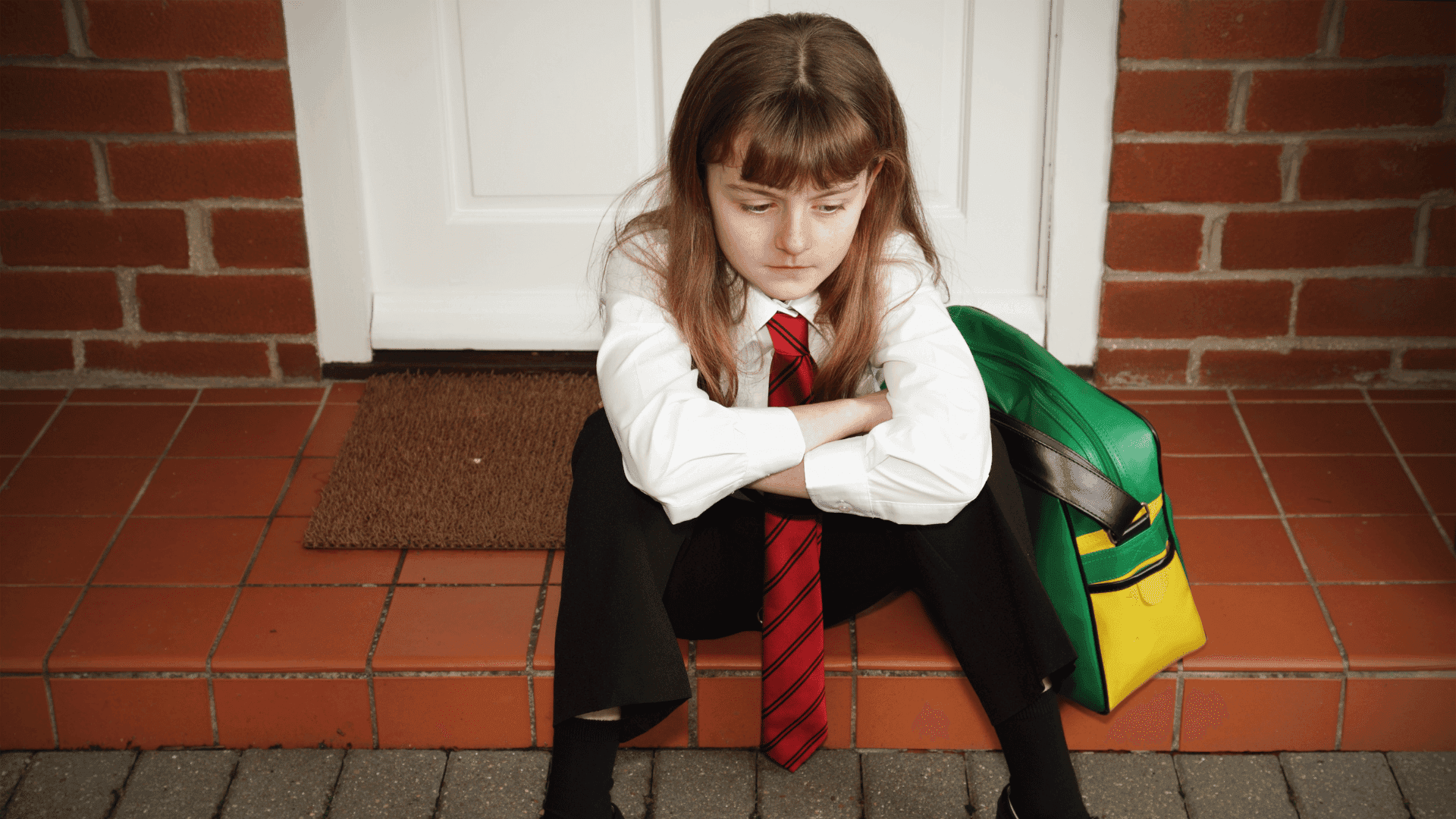
After-School Sensory Overload: Why They Melt Down at Home (and What to Play First)
After-School Sensory Overload: Why They Melt Down at Home (and What to Play First)
Your child walks through the door. You smile. You ask how their day was.
And it all falls apart.
The screaming. The tears. The complete shutdown. You’ve spent hours apart. You’ve been looking forward to seeing them. And this is what you get.
Sensory overload after school is one of the hardest things to witness as a parent. It feels personal. It isn’t.
Your child isn’t “saving it for you.” They’re releasing six hours of sensory debt in the only place they feel safe enough to fall apart.
And the first thing they need when they walk through the door isn’t a snack or questions.
It’s sound.
What School Sensory Overwhelm Actually Looks Like
Think about your child’s day. Not the learning part. The sensory part.
School is a sensory assault course. Even on a “good day,” your child has processed:
Auditory input: Chairs scraping. Children shouting. Bells ringing. Teachers talking over background noise. Echoing corridors. The lunch hall cacophony.
Visual input: Fluorescent lights flickering. Displays covering every wall. Movement everywhere. Twenty-plus bodies in constant motion.
Social demands: Reading faces. Managing friendships. Following instructions. Suppressing natural responses. Performing “normal.”
Physical demands: Sitting still. Queuing. Moving through crowded spaces. Tolerating accidental touch.
For a neurotypical child, this is tiring. For a neurodivergent or sensitive child, it’s exhausting at a cellular level. Their nervous system has been running at maximum capacity for six straight hours.
When they finally reach you, they’ve got nothing left.
The after school meltdown sensory parents describe isn’t bad behaviour. It’s not defiance. It’s not them punishing you for sending them to school. It’s a system crash. Pure and simple.
The Science Behind Restraint Collapse
There’s a name for what you’re seeing: restraint collapse.
National Autistic Society, 2024: Meltdowns: A Guide for All Audiences describes it as the release of emotion, stress, and sensory overload that builds up during the school day. Your child has been “masking” or holding it together in an environment that demands constant regulation. Home is safe. Home means they can finally let go. The National Autistic Society, 2024: Understanding Autistic Burnout explains that this pattern of sustained masking followed by collapse is a recognised feature of autistic burnout, characterised by exhaustion, skill loss, and reduced tolerance to stimulation.
Research supports what parents have always known. Crane et al., 2021: Experiences of autism acceptance and mental health in autistic adults found that the effort of camouflaging autistic traits in social environments leads to significant mental and physical exhaustion. Children experience this same exhaustion, often without the language to explain it.
Here’s what that research really tells us: the meltdown isn’t about you doing something wrong. It’s proof you’ve created a space where they feel safe enough to fall apart.
That’s not failure. That’s trust.
Why Traditional After-School Routines Make It Worse
You’ve probably tried the standard advice. Child arrives, offer a snack, ask about their day.
And it backfires. Every single time.
Here’s why.
Questions demand processing. “How was your day?” requires your child to retrieve memories, organise thoughts, find words, and formulate responses. When their cognitive resources are depleted, this simple question feels like climbing a mountain.
Food requires decisions. “What would you like?” or even choosing between options adds more demands to an overloaded system.
Conversation requires social performance. Even chatting casually needs attention, turn-taking, and emotional regulation. Your child just spent six hours doing exactly this. They’re empty.
Physical affection can overwhelm. The hug you’ve been waiting to give might feel like another sensory input to process. Touch tolerance decreases when the nervous system is flooded.
What you’re offering comes from love. We know that. But your child’s nervous system can’t receive it right now.
Why Sound Helps Sensory Overload After School
Here’s what nobody tells you about sensory overload after school.
The auditory system processes faster than any other sense. And it connects directly to the brain’s emotional regulation centres.
When your child’s nervous system is flooded, it can’t process instructions, tolerate touch, or coordinate movement. But it can receive predictable auditory input passively.
Sound bypasses the demands that make everything else impossible:
No decisions required. Press play. That’s it.
No touch tolerance needed. Unlike weighted blankets or hugs, sound doesn’t require physical contact.
No cognitive load. Unlike breathing exercises or talking, sound asks nothing of an exhausted brain.
No motor control necessary. Unlike fidgets or movement breaks, sound works when they can’t even coordinate their own body.
Sound gives the nervous system something predictable to anchor to when everything else feels chaotic. It’s not about blocking sound (ear defenders do that). It’s about providing the RIGHT sound as a regulation tool.
No effort from you. No demands on them. Just press play.
For more on why certain sounds work and others don’t, see our guide to calming sounds for sensory overload.
The After-School Reset Protocol
Here’s what actually works. No extra effort. No new demands. Just a shift in what happens first.
Step 1: Sound On Before They’re Through the Door
If possible, have calming sounds already playing when they arrive. The transition from car to house or school gate to front door is often where meltdowns begin. Reduce the sensory gap by making home already feel different.
ASMR soundscapes, solfeggio frequencies, or gentle ambient sounds create an immediate signal: home is different from school. Their nervous system can start downshifting before they even take their coat off.
Step 2: No Questions for 20 Minutes
This is the hard bit.
You want to know about their day. You’ve missed them. You’ve got questions. But those first 20 minutes need to be demand-free.
No “how was school?” No “what did you have for lunch?” No “did you play with anyone nice?” Just quiet presence. Let them exist without performing.
If you need to say something, keep it simple: “I’m glad you’re home.” Full stop.
Step 3: Create a Landing Zone
Designate a specific spot in your home as the “landing zone.” This could be a corner of the sofa, a beanbag, or a spot on the floor with cushions. The key is consistency. Same place, same sounds, same expectations (none).
Have headphones available if they prefer personal listening. Some children find it easier to regulate when sound is close and immersive. Others prefer sound to fill the room. Let them lead.
Step 4: Snacks Within Reach, Not Offered
Many children are hungry after school but can’t process the question “what would you like?” Place a simple snack within reach. Plain crackers, cheese cubes, fruit pieces. Nothing that requires a choice. Nothing that needs asking for.
If they eat, great. If they don’t, that’s fine too. The snack is available, not demanded.
Step 5: Wait for the Signal
After 15-30 minutes of sound and silence, most children start to emerge. They might seek you out, start chatting, or simply seem more present. This is the signal that their nervous system has begun to regulate.
Now you can ask about their day. Now the hug might feel good instead of overwhelming. Now they actually have something to give.
The conversation you wanted? It happens. Just not in the first twenty minutes.
What to Play: Sound Types for After-School Reset
Not all calming sounds work the same way. Generic “relaxation music” often makes things worse. For the immediate post-school window, you want sounds that are:
Predictable: The nervous system needs to know what’s coming next. Sudden changes in volume or tempo can re-trigger overwhelm.
Low-demand: No words to process, no songs to follow, no engaging melodies that pull attention.
Sensory-safe: Designed for sensitive ears, not generic “relaxation” tracks that might contain triggering elements.
The best options for after-school reset include:
Frequencies: Solfeggio frequencies provide steady, predictable sound that the nervous system can anchor to without processing.
ASMR soundscapes: Gentle, repetitive sounds that soothe without demanding attention.
Ambient sounds: Nature sounds, rain, or soft ambient textures that create a sound blanket without stimulation.
Avoid music with lyrics, complex melodies, or variable dynamics in this window. Save those for later when regulation has returned. Right now, simple is better.
Understanding What Sensory Overload Actually Looks Like
If you’re new to recognising sensory overwhelm in your child, it helps to understand what sensory overload actually looks like. The after school meltdown sensory pattern is just one presentation of a nervous system that has received more input than it can process.
School sensory overwhelm accumulates across the day. Your child might manage the morning, struggle after lunch, and crash completely by home time. The meltdown you see isn’t caused by arriving home.
Home is just where it finally becomes safe to release.
When the Reset Takes Longer
Some days, 20 minutes won’t be enough.
After particularly demanding days (school trips, tests, conflicts with friends, changes to routine) your child may need much longer to regulate.
Signs that recovery will take longer:
Complete withdrawal (hiding under blankets, refusing to move)
Physical symptoms (headache, stomach ache, complaints of pain)
Heightened sensitivity to everything (light is too bright, sounds are too loud, clothes are too scratchy)
Cycling between meltdown and shutdown
On these days, extend the protocol. Keep sounds playing. Reduce your expectations. Give them time.
For strategies on longer recovery periods, our guide to recovering from sensory overload offers additional support.
What This Looks Like in Practice
Let me paint you a picture of this working.
Your child arrives home. As they walk through the door, they hear soft frequencies already playing in the living room. You don’t ask about their day. You might say “Hi, love” and leave it there.
They drop their bag, kick off their shoes, and head to the landing zone. Maybe the sofa, maybe a beanbag in the corner. There’s a small bowl of crackers and grapes on the side table. They might eat them. They might not.
You potter nearby. Not engaging, but present. Available if needed, not demanding attention.
After 15 minutes, they might start to unfold. After 30 minutes, they might come to find you. Now they’re ready to talk, to eat properly, to reconnect.
This isn’t ignoring your child. It’s meeting them where they are.
You’re giving them what they actually need instead of what we’ve all been taught to offer. That’s not neglect. That’s attunement.
Adjusting for Different Ages
The protocol works across ages, but implementation changes.
Younger children (4-7): May need you physically nearby even during the quiet period. Your calm presence without demands helps them feel safe. Consider sitting on the sofa together, both listening to sounds, no talking.
Primary school age (7-11): Often prefer some physical distance during reset. Having their own space where sounds are playing lets them regulate without feeling watched. Check in visually, not verbally.
Pre-teens and teenagers (11+): May strongly prefer headphones and privacy. Respect this. Having their own device with access to calming sounds gives them agency over their own regulation. A simple text saying “glad you’re home, food in the kitchen if you want it” respects their need for space.
School Communication
If sensory overload after school is a consistent pattern, it’s worth communicating with your child’s school. Not to complain, but to explore what support might help during the day.
Questions to consider:
Are there quieter spaces available during lunch or break times?
Could transition warnings help before bells or end-of-day changes?
Is sensory input in the classroom being considered? (Seating position, lighting, noise levels)
Could movement or sensory breaks be built into the school day?
Reducing sensory load during school hours won’t eliminate after-school overwhelm entirely, but it can make the crash less severe. A child who’s been able to take small regulation breaks during the day has less sensory debt to release at home.
The Bigger Picture
Sensory overload after school isn’t a problem to solve. It’s a signal.
Your child is working incredibly hard to manage in environments not designed for their nervous system. The meltdown tells you that.
The goal isn’t to eliminate meltdowns entirely. That’s not realistic, and it’s not the point. The goal is to make home a place where recovery happens faster. Where the release feels safer. Where your child knows exactly what to expect and what won’t be demanded of them.
Sound is the tool that makes this possible.
Press play. Step back. Let the auditory anchor do its work.
Your child isn’t “saving it for you.” They’re trusting you with the parts they can’t show anyone else.
That’s not rejection. That’s love.
Explore The Sound Sanctuary
Ready to try sound as your after-school reset tool?
The Sound Sanctuary is filled with ASMR sounds, solfeggio frequencies, and sensory-safe soundscapes designed specifically for neurodivergent and sensitive children.
See the whole Sound Sanctuary for 14 days, completely free, sorted in Hush at Home by what your child needs. No card, no commitment, no pressure to decide. Just a gentle space to discover what helps your child feel calm, and to begin the journey at your own pace.
Because you’ve been holding it together all day too.
For everything you need to know about sensory overload and what helps, see our comprehensive guide to sensory overload in children.
Your child walks through the door. You smile. You ask how their day was.
And it all falls apart.
The screaming. The tears. The complete shutdown. You’ve spent hours apart. You’ve been looking forward to seeing them. And this is what you get.
Sensory overload after school is one of the hardest things to witness as a parent. It feels personal. It isn’t.
Your child isn’t “saving it for you.” They’re releasing six hours of sensory debt in the only place they feel safe enough to fall apart.
And the first thing they need when they walk through the door isn’t a snack or questions.
It’s sound.
What School Sensory Overwhelm Actually Looks Like
Think about your child’s day. Not the learning part. The sensory part.
School is a sensory assault course. Even on a “good day,” your child has processed:
Auditory input: Chairs scraping. Children shouting. Bells ringing. Teachers talking over background noise. Echoing corridors. The lunch hall cacophony.
Visual input: Fluorescent lights flickering. Displays covering every wall. Movement everywhere. Twenty-plus bodies in constant motion.
Social demands: Reading faces. Managing friendships. Following instructions. Suppressing natural responses. Performing “normal.”
Physical demands: Sitting still. Queuing. Moving through crowded spaces. Tolerating accidental touch.
For a neurotypical child, this is tiring. For a neurodivergent or sensitive child, it’s exhausting at a cellular level. Their nervous system has been running at maximum capacity for six straight hours.
When they finally reach you, they’ve got nothing left.
The after school meltdown sensory parents describe isn’t bad behaviour. It’s not defiance. It’s not them punishing you for sending them to school. It’s a system crash. Pure and simple.
The Science Behind Restraint Collapse
There’s a name for what you’re seeing: restraint collapse.
National Autistic Society, 2024: Meltdowns: A Guide for All Audiences describes it as the release of emotion, stress, and sensory overload that builds up during the school day. Your child has been “masking” or holding it together in an environment that demands constant regulation. Home is safe. Home means they can finally let go. The National Autistic Society, 2024: Understanding Autistic Burnout explains that this pattern of sustained masking followed by collapse is a recognised feature of autistic burnout, characterised by exhaustion, skill loss, and reduced tolerance to stimulation.
Research supports what parents have always known. Crane et al., 2021: Experiences of autism acceptance and mental health in autistic adults found that the effort of camouflaging autistic traits in social environments leads to significant mental and physical exhaustion. Children experience this same exhaustion, often without the language to explain it.
Here’s what that research really tells us: the meltdown isn’t about you doing something wrong. It’s proof you’ve created a space where they feel safe enough to fall apart.
That’s not failure. That’s trust.
Why Traditional After-School Routines Make It Worse
You’ve probably tried the standard advice. Child arrives, offer a snack, ask about their day.
And it backfires. Every single time.
Here’s why.
Questions demand processing. “How was your day?” requires your child to retrieve memories, organise thoughts, find words, and formulate responses. When their cognitive resources are depleted, this simple question feels like climbing a mountain.
Food requires decisions. “What would you like?” or even choosing between options adds more demands to an overloaded system.
Conversation requires social performance. Even chatting casually needs attention, turn-taking, and emotional regulation. Your child just spent six hours doing exactly this. They’re empty.
Physical affection can overwhelm. The hug you’ve been waiting to give might feel like another sensory input to process. Touch tolerance decreases when the nervous system is flooded.
What you’re offering comes from love. We know that. But your child’s nervous system can’t receive it right now.
Why Sound Helps Sensory Overload After School
Here’s what nobody tells you about sensory overload after school.
The auditory system processes faster than any other sense. And it connects directly to the brain’s emotional regulation centres.
When your child’s nervous system is flooded, it can’t process instructions, tolerate touch, or coordinate movement. But it can receive predictable auditory input passively.
Sound bypasses the demands that make everything else impossible:
No decisions required. Press play. That’s it.
No touch tolerance needed. Unlike weighted blankets or hugs, sound doesn’t require physical contact.
No cognitive load. Unlike breathing exercises or talking, sound asks nothing of an exhausted brain.
No motor control necessary. Unlike fidgets or movement breaks, sound works when they can’t even coordinate their own body.
Sound gives the nervous system something predictable to anchor to when everything else feels chaotic. It’s not about blocking sound (ear defenders do that). It’s about providing the RIGHT sound as a regulation tool.
No effort from you. No demands on them. Just press play.
For more on why certain sounds work and others don’t, see our guide to calming sounds for sensory overload.
The After-School Reset Protocol
Here’s what actually works. No extra effort. No new demands. Just a shift in what happens first.
Step 1: Sound On Before They’re Through the Door
If possible, have calming sounds already playing when they arrive. The transition from car to house or school gate to front door is often where meltdowns begin. Reduce the sensory gap by making home already feel different.
ASMR soundscapes, solfeggio frequencies, or gentle ambient sounds create an immediate signal: home is different from school. Their nervous system can start downshifting before they even take their coat off.
Step 2: No Questions for 20 Minutes
This is the hard bit.
You want to know about their day. You’ve missed them. You’ve got questions. But those first 20 minutes need to be demand-free.
No “how was school?” No “what did you have for lunch?” No “did you play with anyone nice?” Just quiet presence. Let them exist without performing.
If you need to say something, keep it simple: “I’m glad you’re home.” Full stop.
Step 3: Create a Landing Zone
Designate a specific spot in your home as the “landing zone.” This could be a corner of the sofa, a beanbag, or a spot on the floor with cushions. The key is consistency. Same place, same sounds, same expectations (none).
Have headphones available if they prefer personal listening. Some children find it easier to regulate when sound is close and immersive. Others prefer sound to fill the room. Let them lead.
Step 4: Snacks Within Reach, Not Offered
Many children are hungry after school but can’t process the question “what would you like?” Place a simple snack within reach. Plain crackers, cheese cubes, fruit pieces. Nothing that requires a choice. Nothing that needs asking for.
If they eat, great. If they don’t, that’s fine too. The snack is available, not demanded.
Step 5: Wait for the Signal
After 15-30 minutes of sound and silence, most children start to emerge. They might seek you out, start chatting, or simply seem more present. This is the signal that their nervous system has begun to regulate.
Now you can ask about their day. Now the hug might feel good instead of overwhelming. Now they actually have something to give.
The conversation you wanted? It happens. Just not in the first twenty minutes.
What to Play: Sound Types for After-School Reset
Not all calming sounds work the same way. Generic “relaxation music” often makes things worse. For the immediate post-school window, you want sounds that are:
Predictable: The nervous system needs to know what’s coming next. Sudden changes in volume or tempo can re-trigger overwhelm.
Low-demand: No words to process, no songs to follow, no engaging melodies that pull attention.
Sensory-safe: Designed for sensitive ears, not generic “relaxation” tracks that might contain triggering elements.
The best options for after-school reset include:
Frequencies: Solfeggio frequencies provide steady, predictable sound that the nervous system can anchor to without processing.
ASMR soundscapes: Gentle, repetitive sounds that soothe without demanding attention.
Ambient sounds: Nature sounds, rain, or soft ambient textures that create a sound blanket without stimulation.
Avoid music with lyrics, complex melodies, or variable dynamics in this window. Save those for later when regulation has returned. Right now, simple is better.
Understanding What Sensory Overload Actually Looks Like
If you’re new to recognising sensory overwhelm in your child, it helps to understand what sensory overload actually looks like. The after school meltdown sensory pattern is just one presentation of a nervous system that has received more input than it can process.
School sensory overwhelm accumulates across the day. Your child might manage the morning, struggle after lunch, and crash completely by home time. The meltdown you see isn’t caused by arriving home.
Home is just where it finally becomes safe to release.
When the Reset Takes Longer
Some days, 20 minutes won’t be enough.
After particularly demanding days (school trips, tests, conflicts with friends, changes to routine) your child may need much longer to regulate.
Signs that recovery will take longer:
Complete withdrawal (hiding under blankets, refusing to move)
Physical symptoms (headache, stomach ache, complaints of pain)
Heightened sensitivity to everything (light is too bright, sounds are too loud, clothes are too scratchy)
Cycling between meltdown and shutdown
On these days, extend the protocol. Keep sounds playing. Reduce your expectations. Give them time.
For strategies on longer recovery periods, our guide to recovering from sensory overload offers additional support.
What This Looks Like in Practice
Let me paint you a picture of this working.
Your child arrives home. As they walk through the door, they hear soft frequencies already playing in the living room. You don’t ask about their day. You might say “Hi, love” and leave it there.
They drop their bag, kick off their shoes, and head to the landing zone. Maybe the sofa, maybe a beanbag in the corner. There’s a small bowl of crackers and grapes on the side table. They might eat them. They might not.
You potter nearby. Not engaging, but present. Available if needed, not demanding attention.
After 15 minutes, they might start to unfold. After 30 minutes, they might come to find you. Now they’re ready to talk, to eat properly, to reconnect.
This isn’t ignoring your child. It’s meeting them where they are.
You’re giving them what they actually need instead of what we’ve all been taught to offer. That’s not neglect. That’s attunement.
Adjusting for Different Ages
The protocol works across ages, but implementation changes.
Younger children (4-7): May need you physically nearby even during the quiet period. Your calm presence without demands helps them feel safe. Consider sitting on the sofa together, both listening to sounds, no talking.
Primary school age (7-11): Often prefer some physical distance during reset. Having their own space where sounds are playing lets them regulate without feeling watched. Check in visually, not verbally.
Pre-teens and teenagers (11+): May strongly prefer headphones and privacy. Respect this. Having their own device with access to calming sounds gives them agency over their own regulation. A simple text saying “glad you’re home, food in the kitchen if you want it” respects their need for space.
School Communication
If sensory overload after school is a consistent pattern, it’s worth communicating with your child’s school. Not to complain, but to explore what support might help during the day.
Questions to consider:
Are there quieter spaces available during lunch or break times?
Could transition warnings help before bells or end-of-day changes?
Is sensory input in the classroom being considered? (Seating position, lighting, noise levels)
Could movement or sensory breaks be built into the school day?
Reducing sensory load during school hours won’t eliminate after-school overwhelm entirely, but it can make the crash less severe. A child who’s been able to take small regulation breaks during the day has less sensory debt to release at home.
The Bigger Picture
Sensory overload after school isn’t a problem to solve. It’s a signal.
Your child is working incredibly hard to manage in environments not designed for their nervous system. The meltdown tells you that.
The goal isn’t to eliminate meltdowns entirely. That’s not realistic, and it’s not the point. The goal is to make home a place where recovery happens faster. Where the release feels safer. Where your child knows exactly what to expect and what won’t be demanded of them.
Sound is the tool that makes this possible.
Press play. Step back. Let the auditory anchor do its work.
Your child isn’t “saving it for you.” They’re trusting you with the parts they can’t show anyone else.
That’s not rejection. That’s love.
Explore The Sound Sanctuary
Ready to try sound as your after-school reset tool?
The Sound Sanctuary is filled with ASMR sounds, solfeggio frequencies, and sensory-safe soundscapes designed specifically for neurodivergent and sensitive children.
See the whole Sound Sanctuary for 14 days, completely free, sorted in Hush at Home by what your child needs. No card, no commitment, no pressure to decide. Just a gentle space to discover what helps your child feel calm, and to begin the journey at your own pace.
Because you’ve been holding it together all day too.
For everything you need to know about sensory overload and what helps, see our comprehensive guide to sensory overload in children.
Make tomorrow feel easier
Whether it’s bedtime battles, big emotions or sensory overload, small sound moments can bring your child the reassurance and stability they need.



Make tomorrow feel easier
Whether it’s bedtime battles, big emotions or sensory overload, small sound moments can bring your child the reassurance and stability they need.
Make tomorrow feel easier
Whether it’s bedtime battles, big emotions or sensory overload, small sound moments can bring your child the reassurance and stability they need.
Why does my child only meltdown at home after school?
Home is safe. Your child has been holding it together all day in an environment that demands constant regulation. When they reach you, they finally have permission to release. The meltdown isn't about home being bad. It's proof home is the one place they can truly let go.
How long should the quiet reset period last?
Start with 20-30 minutes of demand-free time with calming sounds playing. Some children regulate faster, some need longer. Watch for signs they're ready to engage: seeking you out, starting to chat, seeming more present. Let them lead the timing.
My child seems angry at me when they get home. Is that normal?
Yes. The person closest to them often receives the biggest release. It's not personal anger. It's the nervous system finally having permission to offload everything it's been carrying. Respond with calm presence rather than engaging with the anger.
What if my child is sound-sensitive? Won't this make it worse?
Therapeutic sound (predictable, controlled, sensory-safe) is completely different from overwhelming noise (unpredictable, chaotic, uncontrolled). Many sound-sensitive children find the right sounds deeply regulating. Start with low volume and let them adjust.
Should I talk to the school about this?
If after-school collapse is a consistent pattern, it's worth a conversation. Schools can sometimes adjust seating, offer quiet break spaces, or build in sensory breaks during the day. Reducing sensory load at school means less debt to release at home.
Why does my child only meltdown at home after school?
Home is safe. Your child has been holding it together all day in an environment that demands constant regulation. When they reach you, they finally have permission to release. The meltdown isn't about home being bad. It's proof home is the one place they can truly let go.
How long should the quiet reset period last?
Start with 20-30 minutes of demand-free time with calming sounds playing. Some children regulate faster, some need longer. Watch for signs they're ready to engage: seeking you out, starting to chat, seeming more present. Let them lead the timing.
My child seems angry at me when they get home. Is that normal?
Yes. The person closest to them often receives the biggest release. It's not personal anger. It's the nervous system finally having permission to offload everything it's been carrying. Respond with calm presence rather than engaging with the anger.
What if my child is sound-sensitive? Won't this make it worse?
Therapeutic sound (predictable, controlled, sensory-safe) is completely different from overwhelming noise (unpredictable, chaotic, uncontrolled). Many sound-sensitive children find the right sounds deeply regulating. Start with low volume and let them adjust.
Should I talk to the school about this?
If after-school collapse is a consistent pattern, it's worth a conversation. Schools can sometimes adjust seating, offer quiet break spaces, or build in sensory breaks during the day. Reducing sensory load at school means less debt to release at home.
Founder & Creative Lead - The PeacePath® | Creator of HushAway® Neurodivergent Inclusive Coach | Voice Artist & Storyteller | Sound Therapy Practitioner