✨ Calm support for bedtime, focus and overwhelm, Free for 14 days. No card needed
✨ Calm support for bedtime, focus and overwhelm, Free for 14 days. No card needed
✨ Start your free trial today!

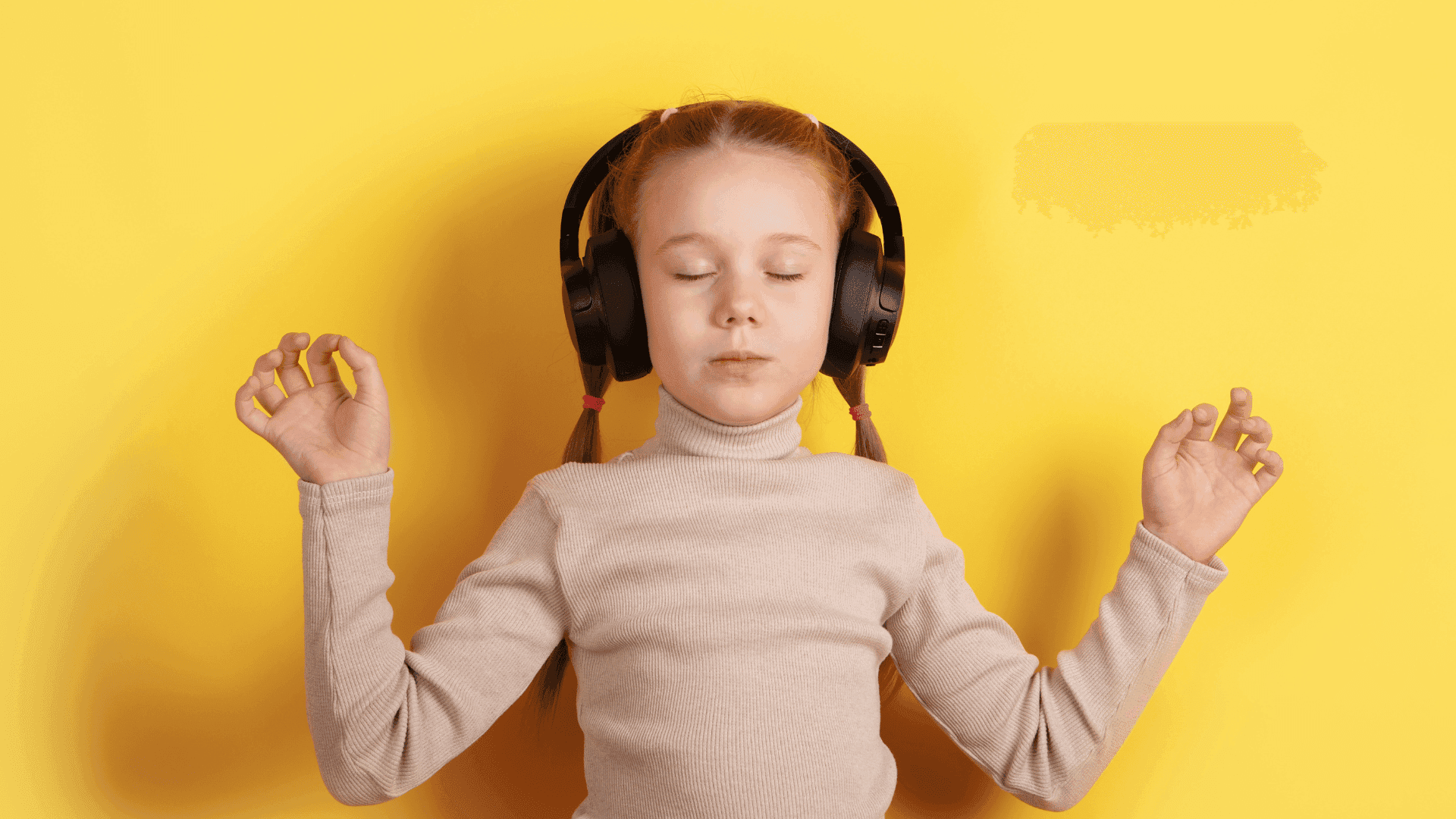
Calming Sounds for Every Situation: What to Play for Anxiety, Focus, Transitions, and Beyond
Calming Sounds for Every Situation: What to Play for Anxiety, Focus, Transitions, and Beyond
The rain sounds worked perfectly for bedtime. So you tried them for homework. Complete disaster.
Here's what nobody tells you about finding sounds for an anxious child: the same sound that works magic at 8pm can make 4pm homework time worse. The sound that settles them in the car might be completely wrong for getting out the door in the morning.
Why? Because your child's nervous system isn't in the same state all day. An anxious brain needs something different than a distracted brain. A brain overwhelmed by a transition needs something different again.
This isn't about finding one magic sound. It's about matching the right sound to the right moment.
What follows are specific recommendations for the situations that trip up most families. Not "try white noise" advice you've heard a hundred times, but practical matching based on what's actually happening in your child's brain during each tricky moment.
Why One Sound Doesn't Fit All Situations
Think about it. You wouldn't wear the same outfit to a job interview and to the gym. Your child's brain needs different support for different challenges.
Research backs this up. Chanda & Levitin, 2013: The neurochemistry of music found that sound can modulate stress hormones, affect dopamine release, and shift attention patterns. But not all sounds do all of these things equally.
Here's what this means in practice: the frequencies and patterns that calm an anxious brain aren't the same ones that help a distracted brain focus. The rhythm that eases your child into sleep won't help them concentrate on maths homework.
And for neurodivergent children, the mismatch goes deeper. When sounds don't match the moment, they can actually increase overwhelm rather than help. That's why generic calming sounds often miss the mark for these children.
Sounds for an Anxious Child
Anxiety shows up in different ways. Racing thoughts. Physical tension. Catastrophising about what might happen. And each pattern responds better to certain sounds.
For Racing Thoughts
You can almost see it happening. Your child's eyes darting. Their body restless. Mind spinning with worries that feed more worries.
The temptation is to try something engaging to distract them. But here's the thing: complex sounds make this worse. Their brain is already overloaded with internal noise. Adding stimulation through detailed soundscapes or busy music just gives them more to process.
What works: Simple, repetitive sounds with minimal variation. Gentle rain (not thunderstorms). Steady brown noise. Soft ambient tones that stay consistent.
Why it works: Repetitive sounds give the brain something steady to latch onto without adding to the load. Think of it as an auditory anchor that can slow the racing.
When to play: At the first sign of spiralling. This matters. Don't wait until the anxiety peaks. The earlier you introduce the sound, the more effective it tends to be.
For Physical Anxiety (Tummy Aches, Tension)
"My tummy hurts." Sound familiar?
When anxiety sits in the body, your child might not even recognise they're anxious. They just feel unwell. Tense. Something's wrong but they can't name it.
What works: Low frequency sounds. Brown noise. Binaural beats in the theta range (4-7 Hz). Soft humming tones.
Why it works: Lower frequencies can help activate the parasympathetic nervous system. That's the "rest and digest" response. The opposite of the fight-or-flight state creating those physical symptoms.
When to play: When they complain of tummy aches before school. When they seem physically wound up but can't explain why. During recovery after a big emotional moment.
For Anticipatory Anxiety
The night before the dentist. The morning of swimming lessons. The hours before a birthday party (even ones they want to go to).
Anticipatory anxiety is the worry about what's coming. And it needs sounds that occupy the brain enough to interrupt the worry loops without creating new stimulation to process.
What works: Gentle storytelling with a calm narrator. Ambient soundscapes with subtle variation. Light ASMR without sudden sounds.
Why it works: Storytelling gives the anxious brain something to follow other than its own spiral. The key is gentle pacing. Something that doesn't demand attention but offers a different path for thoughts to travel.
When to play: The night before difficult days. The morning of challenging events. During the waiting period before something they're dreading.
Sounds for Focus and Concentration
Here's something that surprises most parents.
Focus problems aren't just "not paying attention." For many children, especially those with ADHD, the brain is actually craving stimulation. Silence can be the worst environment for these children. Their brain goes hunting for stimulation, and finds it everywhere except the homework in front of them.
The right sound can provide that stimulation in a way that helps focus rather than distracts from it.
For Homework and Learning Tasks
The maths worksheet is in front of them. But so is the bird outside the window. The itch on their arm. The memory of something that happened at lunch. Everything is more interesting than the worksheet.
What works: White or pink noise. Binaural beats in the beta range (13-30 Hz). Very simple ambient music without lyrics or strong melodies.
Why it works: Kliuchko et al., 2017: Neural correlates of auditory learning and attention in the elderly found that background sound can help the brain tune out distractions and maintain focus. For ADHD brains, the stimulation from white noise can actually improve task performance by satisfying the brain's need for input.
When to play From the start of homework time. And here's what matters: consistency. Playing it some days but not others makes it less effective. Let the sound become a cue that signals "focus time."
What to avoid: Music with lyrics. Sounds that change frequently. Anything that your child actively listens to rather than having it as background.
For Creative Activities
Art. Building. Imaginative play.
These need a different kind of focus. The brain needs space to wander and make connections. Too much stimulation can actually block that creative flow.
What works: Nature sounds without harsh elements (gentle streams, soft forest sounds, light rain). Very simple ambient soundscapes. Soft ASMR with consistent pacing.
Why it works: Creative tasks need room for the mind to meander. Sounds that create a calm environment without demanding attention give the brain space to make unexpected connections.
When to play: During craft time. When they're building with blocks or Lego. During any open-ended creative activity.
For Reading
Reading already demands significant cognitive processing. The wrong background sound can compete for the same mental resources.
What works: Very simple brown or pink noise. Extremely minimal ambient sounds. For some children, silence actually works better for reading than any sound.
What to avoid: Any sound with variation or pattern changes. Nothing that could draw attention away from the text.
Sounds for Transitions
"Time to stop playing and get ready for bed."
You can feel the tension before you've finished the sentence. Transitions are often the hardest part of the day for neurodivergent children. And understandably so. Moving from one activity to another requires stopping something (often something they're absorbed in), processing what comes next, and shifting their entire mental state.
That's a lot to ask of any brain. For neurodivergent children, it's even harder.
Morning Transitions (Waking Up, Getting Ready)
The shift from sleep to active day is one of the biggest transitions we ask of children. And for many, it's where the day goes wrong before it's really begun.
What works: Very gentle sounds that build slowly. Soft nature sounds that gradually increase in complexity. Light ambient tones that ease the brain into wakefulness.
What doesn't work: Sudden alarm sounds. Anything jarring. Starting with high-energy sounds, even if the energy is positive.
Here's the timing trick that changes everything: Start the sound 15-20 minutes before you need them up. Let it gently wake them rather than adding sound after they're already awake and struggling. This simple shift can transform mornings.
After-School Transition
You've heard of "after-school restraint collapse." The meltdown that happens not because home is bad, but because home is safe. Your child has been holding it together all day. The moment they walk through the door, everything they've been containing comes flooding out.
What works: Have calming sounds already playing when they arrive. ASMR or very soft ambient sounds. Nothing that requires any engagement or decision-making.
Why it works: By having sound already present, you remove one more thing for their overloaded brain to process. They don't have to decide anything. The calming environment is just there, waiting.
What to avoid: Asking them to choose a sound. Having the TV on. Any stimulation that adds to their processing load.
Activity Transitions (Stopping One Thing, Starting Another)
"Time to stop playing and come for dinner." Such a simple request. Yet these micro-transitions throughout the day can trigger surprisingly big reactions.
What works: A consistent sound cue that signals transition is coming. This could be a specific piece of music or a particular sound that always means "change is coming." Give the cue 5 minutes before the actual transition, then again at 2 minutes.
Why it works: Predictability. When the brain knows what's coming and has time to prepare, transitions become less threatening. The sound becomes a reliable signal rather than a sudden demand.
Building the habit: Here's the key. Use the same sound every time for several weeks. Consistency is what makes this work. The sound becomes associated with transitions, and eventually the brain starts preparing automatically when it hears that cue.
Calming Sounds for Car Journeys
The car journey to Grandma's house shouldn't feel like defusing a bomb. But for many families, that's exactly what it's like.
Car journeys combine several challenges at once: physical confinement, unpredictable duration, sensory input from the vehicle, and limited entertainment options. No wonder the car is where things fall apart.
What works: This depends on the journey length.
For short journeys (under 30 minutes):
Simple ambient sounds or nature soundscapes
Very calming ASMR
Steady brown noise
For longer journeys (30+ minutes):
Gentle storytelling with calming narration
Adventure stories designed for calm listening (not high-action audiobooks)
Layered ambient soundscapes that give the brain something to engage with without overwhelming
Why it works: Corbett et al., 2015: White noise and sleep in children with autism spectrum disorder and related research shows that consistent background sound can help mask unpredictable environmental noise. In cars, that unpredictable noise is constant: road sounds, other vehicles, parent conversations, the radio cutting in and out. Consistent sound creates a predictable layer over all of that chaos.
Practical tips:
Have sounds ready before you get in the car. This matters more than the sound itself. Fumbling with phones while a child is already escalating makes everything worse.
Use headphones for older children if siblings need different sounds.
Keep the volume consistent. Turning it up to compete with road noise can backfire.
How to Build Your Sound Toolkit
Let's be honest. You're not going to carefully select the perfect sound while your child is mid-meltdown. That ship has sailed.
The families who make sound work build their toolkit in advance. When things are calm. When there's space to experiment.
Identify Your Tricky Moments
Grab a pen. Write down the 4-5 situations that consistently cause difficulty:
Morning getting ready?
After school?
Homework time?
Bedtime?
Car journeys?
Waiting in queues?
Doctor or dentist visits?
You probably already know what they are. You feel them coming every single day.
Match Sounds to Moments
For each situation, select sounds using the guidance above. Don't overcomplicate this. One or two options per situation is plenty to start.
Test When Calm
This step gets skipped, and it shouldn't.
Introduce new sounds during calm moments first. Let your child get used to them when they're regulated. This builds the association between the sound and feeling calm. That association is what makes the sound effective when you really need it.
Create Easy Access
Have sounds ready to play instantly:
Saved playlists on your phone
A dedicated speaker in key locations
Headphones in your bag for out-and-about
The Sound Sanctuary from HushAway® organises sounds by purpose. Anxiety sounds. Focus sounds. Transition sounds. Sleep sounds. That makes matching easier than scrolling through generic libraries trying to remember what worked for what.
When Sounds Aren't Working
You've tried the right sound for the right situation. It's not helping. Now what?
Before you give up, consider these common reasons sounds stop working:
The moment has passed. Sound works best as prevention and early intervention. Once a child is in full meltdown, sound alone often can't bring them back. At that point, you need other strategies first: co-regulation, space, safety. Sound can support the recovery phase.
The sound has become associated with stress. If you've only ever played a particular sound during difficult moments, the sound itself can become a trigger. If this has happened, retire that sound and start fresh with something new.
The volume or quality is wrong. Tinny phone speakers, inconsistent volume, sounds cutting out. These technical issues can make calming sounds irritating rather than calming. Good speakers and consistent quality matter.
Your child needs variety. Some children habituate quickly and need rotation. If a sound that worked before has stopped working, try something new. This doesn't mean the approach has failed, just that their brain has adapted.
Finding What Works for Your Child
Everything in this guide is a starting point. Your child will have individual responses that no article can predict.
What matters is paying attention to what actually helps. Not what "should" help based on general advice. Not what works for your friend's child. What works for yours.
For a deeper understanding of different sound types and how they work, see our full guide to sound types.
The Sound Sanctuary offers sounds designed specifically for neurodivergent and sensitive children. Unlike generic sound apps, the content is built for the specific ways these children process sound. Pick your trickiest moment this week. Try matching a sound to it. See what changes.
One quiet moment can change a whole day for a child. Sometimes it's just about finding the right sound for that moment.
For a broader look at calming sounds and when to use them, see our complete guide to calming sounds for children.
The rain sounds worked perfectly for bedtime. So you tried them for homework. Complete disaster.
Here's what nobody tells you about finding sounds for an anxious child: the same sound that works magic at 8pm can make 4pm homework time worse. The sound that settles them in the car might be completely wrong for getting out the door in the morning.
Why? Because your child's nervous system isn't in the same state all day. An anxious brain needs something different than a distracted brain. A brain overwhelmed by a transition needs something different again.
This isn't about finding one magic sound. It's about matching the right sound to the right moment.
What follows are specific recommendations for the situations that trip up most families. Not "try white noise" advice you've heard a hundred times, but practical matching based on what's actually happening in your child's brain during each tricky moment.
Why One Sound Doesn't Fit All Situations
Think about it. You wouldn't wear the same outfit to a job interview and to the gym. Your child's brain needs different support for different challenges.
Research backs this up. Chanda & Levitin, 2013: The neurochemistry of music found that sound can modulate stress hormones, affect dopamine release, and shift attention patterns. But not all sounds do all of these things equally.
Here's what this means in practice: the frequencies and patterns that calm an anxious brain aren't the same ones that help a distracted brain focus. The rhythm that eases your child into sleep won't help them concentrate on maths homework.
And for neurodivergent children, the mismatch goes deeper. When sounds don't match the moment, they can actually increase overwhelm rather than help. That's why generic calming sounds often miss the mark for these children.
Sounds for an Anxious Child
Anxiety shows up in different ways. Racing thoughts. Physical tension. Catastrophising about what might happen. And each pattern responds better to certain sounds.
For Racing Thoughts
You can almost see it happening. Your child's eyes darting. Their body restless. Mind spinning with worries that feed more worries.
The temptation is to try something engaging to distract them. But here's the thing: complex sounds make this worse. Their brain is already overloaded with internal noise. Adding stimulation through detailed soundscapes or busy music just gives them more to process.
What works: Simple, repetitive sounds with minimal variation. Gentle rain (not thunderstorms). Steady brown noise. Soft ambient tones that stay consistent.
Why it works: Repetitive sounds give the brain something steady to latch onto without adding to the load. Think of it as an auditory anchor that can slow the racing.
When to play: At the first sign of spiralling. This matters. Don't wait until the anxiety peaks. The earlier you introduce the sound, the more effective it tends to be.
For Physical Anxiety (Tummy Aches, Tension)
"My tummy hurts." Sound familiar?
When anxiety sits in the body, your child might not even recognise they're anxious. They just feel unwell. Tense. Something's wrong but they can't name it.
What works: Low frequency sounds. Brown noise. Binaural beats in the theta range (4-7 Hz). Soft humming tones.
Why it works: Lower frequencies can help activate the parasympathetic nervous system. That's the "rest and digest" response. The opposite of the fight-or-flight state creating those physical symptoms.
When to play: When they complain of tummy aches before school. When they seem physically wound up but can't explain why. During recovery after a big emotional moment.
For Anticipatory Anxiety
The night before the dentist. The morning of swimming lessons. The hours before a birthday party (even ones they want to go to).
Anticipatory anxiety is the worry about what's coming. And it needs sounds that occupy the brain enough to interrupt the worry loops without creating new stimulation to process.
What works: Gentle storytelling with a calm narrator. Ambient soundscapes with subtle variation. Light ASMR without sudden sounds.
Why it works: Storytelling gives the anxious brain something to follow other than its own spiral. The key is gentle pacing. Something that doesn't demand attention but offers a different path for thoughts to travel.
When to play: The night before difficult days. The morning of challenging events. During the waiting period before something they're dreading.
Sounds for Focus and Concentration
Here's something that surprises most parents.
Focus problems aren't just "not paying attention." For many children, especially those with ADHD, the brain is actually craving stimulation. Silence can be the worst environment for these children. Their brain goes hunting for stimulation, and finds it everywhere except the homework in front of them.
The right sound can provide that stimulation in a way that helps focus rather than distracts from it.
For Homework and Learning Tasks
The maths worksheet is in front of them. But so is the bird outside the window. The itch on their arm. The memory of something that happened at lunch. Everything is more interesting than the worksheet.
What works: White or pink noise. Binaural beats in the beta range (13-30 Hz). Very simple ambient music without lyrics or strong melodies.
Why it works: Kliuchko et al., 2017: Neural correlates of auditory learning and attention in the elderly found that background sound can help the brain tune out distractions and maintain focus. For ADHD brains, the stimulation from white noise can actually improve task performance by satisfying the brain's need for input.
When to play From the start of homework time. And here's what matters: consistency. Playing it some days but not others makes it less effective. Let the sound become a cue that signals "focus time."
What to avoid: Music with lyrics. Sounds that change frequently. Anything that your child actively listens to rather than having it as background.
For Creative Activities
Art. Building. Imaginative play.
These need a different kind of focus. The brain needs space to wander and make connections. Too much stimulation can actually block that creative flow.
What works: Nature sounds without harsh elements (gentle streams, soft forest sounds, light rain). Very simple ambient soundscapes. Soft ASMR with consistent pacing.
Why it works: Creative tasks need room for the mind to meander. Sounds that create a calm environment without demanding attention give the brain space to make unexpected connections.
When to play: During craft time. When they're building with blocks or Lego. During any open-ended creative activity.
For Reading
Reading already demands significant cognitive processing. The wrong background sound can compete for the same mental resources.
What works: Very simple brown or pink noise. Extremely minimal ambient sounds. For some children, silence actually works better for reading than any sound.
What to avoid: Any sound with variation or pattern changes. Nothing that could draw attention away from the text.
Sounds for Transitions
"Time to stop playing and get ready for bed."
You can feel the tension before you've finished the sentence. Transitions are often the hardest part of the day for neurodivergent children. And understandably so. Moving from one activity to another requires stopping something (often something they're absorbed in), processing what comes next, and shifting their entire mental state.
That's a lot to ask of any brain. For neurodivergent children, it's even harder.
Morning Transitions (Waking Up, Getting Ready)
The shift from sleep to active day is one of the biggest transitions we ask of children. And for many, it's where the day goes wrong before it's really begun.
What works: Very gentle sounds that build slowly. Soft nature sounds that gradually increase in complexity. Light ambient tones that ease the brain into wakefulness.
What doesn't work: Sudden alarm sounds. Anything jarring. Starting with high-energy sounds, even if the energy is positive.
Here's the timing trick that changes everything: Start the sound 15-20 minutes before you need them up. Let it gently wake them rather than adding sound after they're already awake and struggling. This simple shift can transform mornings.
After-School Transition
You've heard of "after-school restraint collapse." The meltdown that happens not because home is bad, but because home is safe. Your child has been holding it together all day. The moment they walk through the door, everything they've been containing comes flooding out.
What works: Have calming sounds already playing when they arrive. ASMR or very soft ambient sounds. Nothing that requires any engagement or decision-making.
Why it works: By having sound already present, you remove one more thing for their overloaded brain to process. They don't have to decide anything. The calming environment is just there, waiting.
What to avoid: Asking them to choose a sound. Having the TV on. Any stimulation that adds to their processing load.
Activity Transitions (Stopping One Thing, Starting Another)
"Time to stop playing and come for dinner." Such a simple request. Yet these micro-transitions throughout the day can trigger surprisingly big reactions.
What works: A consistent sound cue that signals transition is coming. This could be a specific piece of music or a particular sound that always means "change is coming." Give the cue 5 minutes before the actual transition, then again at 2 minutes.
Why it works: Predictability. When the brain knows what's coming and has time to prepare, transitions become less threatening. The sound becomes a reliable signal rather than a sudden demand.
Building the habit: Here's the key. Use the same sound every time for several weeks. Consistency is what makes this work. The sound becomes associated with transitions, and eventually the brain starts preparing automatically when it hears that cue.
Calming Sounds for Car Journeys
The car journey to Grandma's house shouldn't feel like defusing a bomb. But for many families, that's exactly what it's like.
Car journeys combine several challenges at once: physical confinement, unpredictable duration, sensory input from the vehicle, and limited entertainment options. No wonder the car is where things fall apart.
What works: This depends on the journey length.
For short journeys (under 30 minutes):
Simple ambient sounds or nature soundscapes
Very calming ASMR
Steady brown noise
For longer journeys (30+ minutes):
Gentle storytelling with calming narration
Adventure stories designed for calm listening (not high-action audiobooks)
Layered ambient soundscapes that give the brain something to engage with without overwhelming
Why it works: Corbett et al., 2015: White noise and sleep in children with autism spectrum disorder and related research shows that consistent background sound can help mask unpredictable environmental noise. In cars, that unpredictable noise is constant: road sounds, other vehicles, parent conversations, the radio cutting in and out. Consistent sound creates a predictable layer over all of that chaos.
Practical tips:
Have sounds ready before you get in the car. This matters more than the sound itself. Fumbling with phones while a child is already escalating makes everything worse.
Use headphones for older children if siblings need different sounds.
Keep the volume consistent. Turning it up to compete with road noise can backfire.
How to Build Your Sound Toolkit
Let's be honest. You're not going to carefully select the perfect sound while your child is mid-meltdown. That ship has sailed.
The families who make sound work build their toolkit in advance. When things are calm. When there's space to experiment.
Identify Your Tricky Moments
Grab a pen. Write down the 4-5 situations that consistently cause difficulty:
Morning getting ready?
After school?
Homework time?
Bedtime?
Car journeys?
Waiting in queues?
Doctor or dentist visits?
You probably already know what they are. You feel them coming every single day.
Match Sounds to Moments
For each situation, select sounds using the guidance above. Don't overcomplicate this. One or two options per situation is plenty to start.
Test When Calm
This step gets skipped, and it shouldn't.
Introduce new sounds during calm moments first. Let your child get used to them when they're regulated. This builds the association between the sound and feeling calm. That association is what makes the sound effective when you really need it.
Create Easy Access
Have sounds ready to play instantly:
Saved playlists on your phone
A dedicated speaker in key locations
Headphones in your bag for out-and-about
The Sound Sanctuary from HushAway® organises sounds by purpose. Anxiety sounds. Focus sounds. Transition sounds. Sleep sounds. That makes matching easier than scrolling through generic libraries trying to remember what worked for what.
When Sounds Aren't Working
You've tried the right sound for the right situation. It's not helping. Now what?
Before you give up, consider these common reasons sounds stop working:
The moment has passed. Sound works best as prevention and early intervention. Once a child is in full meltdown, sound alone often can't bring them back. At that point, you need other strategies first: co-regulation, space, safety. Sound can support the recovery phase.
The sound has become associated with stress. If you've only ever played a particular sound during difficult moments, the sound itself can become a trigger. If this has happened, retire that sound and start fresh with something new.
The volume or quality is wrong. Tinny phone speakers, inconsistent volume, sounds cutting out. These technical issues can make calming sounds irritating rather than calming. Good speakers and consistent quality matter.
Your child needs variety. Some children habituate quickly and need rotation. If a sound that worked before has stopped working, try something new. This doesn't mean the approach has failed, just that their brain has adapted.
Finding What Works for Your Child
Everything in this guide is a starting point. Your child will have individual responses that no article can predict.
What matters is paying attention to what actually helps. Not what "should" help based on general advice. Not what works for your friend's child. What works for yours.
For a deeper understanding of different sound types and how they work, see our full guide to sound types.
The Sound Sanctuary offers sounds designed specifically for neurodivergent and sensitive children. Unlike generic sound apps, the content is built for the specific ways these children process sound. Pick your trickiest moment this week. Try matching a sound to it. See what changes.
One quiet moment can change a whole day for a child. Sometimes it's just about finding the right sound for that moment.
For a broader look at calming sounds and when to use them, see our complete guide to calming sounds for children.
Make tomorrow feel easier
Whether it’s bedtime battles, big emotions or sensory overload, small sound moments can bring your child the reassurance and stability they need.



Make tomorrow feel easier
Whether it’s bedtime battles, big emotions or sensory overload, small sound moments can bring your child the reassurance and stability they need.
Make tomorrow feel easier
Whether it’s bedtime battles, big emotions or sensory overload, small sound moments can bring your child the reassurance and stability they need.
What if my child refuses to listen to calming sounds?
Don't make it a battle. You'll lose, and the sound becomes associated with conflict.
For some children, having control matters more than the content. Let them choose between two options rather than imposing a sound. Or play sounds in the environment via a speaker rather than asking them to actively listen. Sometimes sounds work best when they're just "on" in the background rather than being a thing you're asking them to engage with.
Should I use headphones or speakers?
Both have advantages. Headphones provide more immersive sound and can block external noise, which is helpful in noisy environments or for children who are highly sound-sensitive. Speakers allow sounds to be present without the physical sensation of wearing something, which matters for children with tactile sensitivities. Try both and see what your child prefers.
How loud should calming sounds be?
Quieter than you might think. The sound should be present but not dominating. A good test: you should be able to have a conversation at normal volume over the sound. If you need to raise your voice, it's too loud. For sleep sounds, even quieter is usually better.
Can my child become dependent on sounds to calm down?
Using tools to regulate isn't dependency. It's skill-building.
Think about it. Adults use music, exercise, breathing techniques, and other tools to manage their emotional states. Children can learn to recognise when they need regulation support and know what helps them. That's not dependency. That's self-awareness. That's a skill they'll carry into adulthood.
What age is this advice for?
The general principles apply across childhood, though specific sound preferences change with age. Younger children (under 5) often respond well to simpler sounds and gentle storytelling. Older children (8+) may prefer more complex ambient sounds or binaural beats. Teenagers often want more control over their sound choices and may prefer headphones.
What if my child refuses to listen to calming sounds?
Don't make it a battle. You'll lose, and the sound becomes associated with conflict.
For some children, having control matters more than the content. Let them choose between two options rather than imposing a sound. Or play sounds in the environment via a speaker rather than asking them to actively listen. Sometimes sounds work best when they're just "on" in the background rather than being a thing you're asking them to engage with.
Should I use headphones or speakers?
Both have advantages. Headphones provide more immersive sound and can block external noise, which is helpful in noisy environments or for children who are highly sound-sensitive. Speakers allow sounds to be present without the physical sensation of wearing something, which matters for children with tactile sensitivities. Try both and see what your child prefers.
How loud should calming sounds be?
Quieter than you might think. The sound should be present but not dominating. A good test: you should be able to have a conversation at normal volume over the sound. If you need to raise your voice, it's too loud. For sleep sounds, even quieter is usually better.
Can my child become dependent on sounds to calm down?
Using tools to regulate isn't dependency. It's skill-building.
Think about it. Adults use music, exercise, breathing techniques, and other tools to manage their emotional states. Children can learn to recognise when they need regulation support and know what helps them. That's not dependency. That's self-awareness. That's a skill they'll carry into adulthood.
What age is this advice for?
The general principles apply across childhood, though specific sound preferences change with age. Younger children (under 5) often respond well to simpler sounds and gentle storytelling. Older children (8+) may prefer more complex ambient sounds or binaural beats. Teenagers often want more control over their sound choices and may prefer headphones.
Founder & Creative Lead - The PeacePath® | Creator of HushAway® Neurodivergent Inclusive Coach | Voice Artist & Storyteller | Sound Therapy Practitioner