✨ Calm support for bedtime, focus and overwhelm, Free for 14 days. No card needed
✨ Calm support for bedtime, focus and overwhelm, Free for 14 days. No card needed
✨ Start your free trial today!

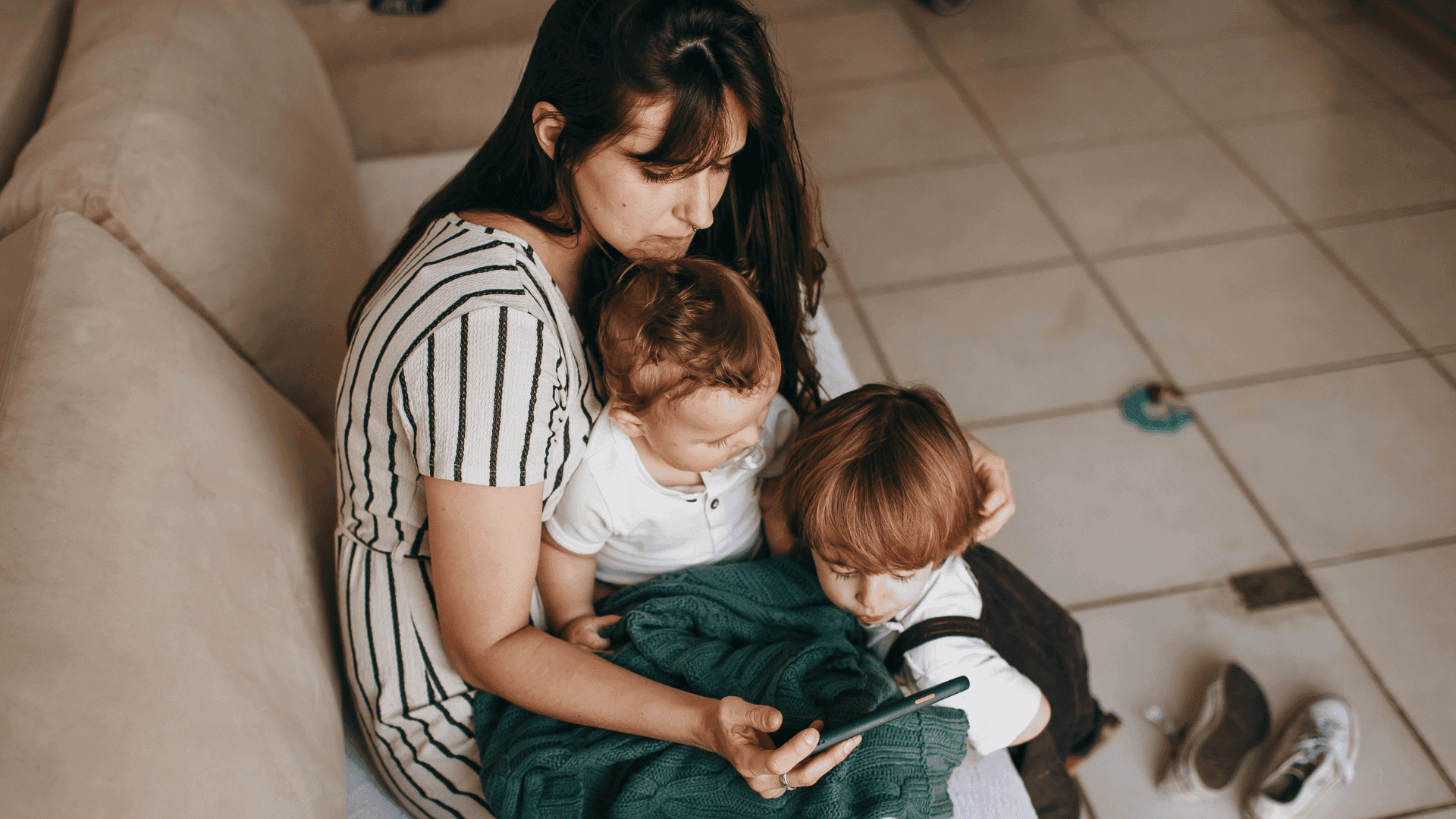
ASMR for Children: What the Research Shows (And What Parents Need to Know)
ASMR for Children: What the Research Shows (And What Parents Need to Know)
It's 10:47pm. Your child still won't settle. You've already typed "ASMR for children safe?" into Google. Then "binaural beats for kids." Then "white noise child sleep."
And you've walked away more confused than when you started.
That's because most content about these sound types falls into two unhelpful categories. Either it's written by audio companies trying to sell you something, or it's so clinical that you need a degree in neuroscience to understand it. Neither helps you right now, standing in the kitchen, wondering what to play for a child who won't settle.
Here's what we're going to do differently. We're going to walk through each major sound type that parents search for. We'll cover what the research actually shows. What we don't know yet. And what that means for your child in practical, parent-friendly terms.
No jargon. No sales pitch. Just honest answers to the questions parents are actually asking.
A Note Before We Start
We need to be upfront about something.
The research on therapeutic sound for children, particularly neurodivergent children, is still growing. Many studies focus on adults, or on small sample sizes, or on specific populations that may not match your child's situation.
That doesn't mean these sounds don't help. It means we need to be honest about the difference between "this has strong research backing" and "this works for many families but we're still learning why."
You'll notice throughout this guide that we'll tell you when research is solid and when it's limited. That's not us being vague. That's us respecting your intelligence and giving you the information you need to make good decisions for your family.
ASMR for Children: What We Know and What We Don't
ASMR stands for Autonomous Sensory Meridian Response. If you've never heard of it, it describes a tingling sensation that starts at the scalp and moves down the spine, triggered by specific sounds like whispering, tapping, or soft speech.
But here's the thing. Your child doesn't need to experience the tingling for ASMR content to help them. Many children respond to ASMR sounds without ever feeling that physical response. The quiet, gentle, predictable nature of the audio itself can be calming even without the physiological "tingles."
What the Research Shows
Research from the University of Sheffield (Poerio et al., 2018) found that ASMR content produced significant reductions in heart rate and increased positive emotions in people who experience the response. The physiological changes were measurable and consistent.
However, and this is worth knowing, the study focused on adults. Comparable research specifically on children, especially neurodivergent children, is limited.
What we do have is a growing body of anecdotal evidence from families. ASMR content seems to work particularly well for children who:
Find whispering voices soothing rather than irritating
Like predictable, repetitive sounds
Struggle with silence but find music too stimulating
Need gentle background audio during quiet activities
What We Don't Know Yet
We don't have large-scale studies on ASMR for children. We don't know why some children respond strongly while others don't. We don't have clear evidence about long-term effects, benefits, or best practices for age-appropriate content.
That uncertainty isn't a reason to avoid ASMR. It's simply honest context for your decision-making.
Is ASMR Safe for Children?
The short answer: yes, when the content is appropriate.
ASMR itself is just a category of gentle sounds and soft speech. There's nothing inherently unsafe about it. The safety considerations are the same as any other content:
Is the creator trustworthy?
Is the content designed with children in mind?
Does your specific child find it calming rather than unsettling?
That last point matters most. Some children find whispering voices uncomfortable or even anxiety-provoking. Others find them deeply soothing. Your child's response is more important than any generalisation about ASMR.
If you want to understand more about why one child might respond well while another doesn't, we've written about why generic calming sounds don't work for neurodivergent children. The same principles apply to ASMR.
The HushAway® Perspective on ASMR
At HushAway®, we create ASMR content specifically for children, including those with sensory sensitivities. That means no sudden sounds, no inconsistent volume, no content that requires cognitive engagement.
This matters because most ASMR online was made for adults and isn't designed with children's sensory processing in mind. Content that adults find relaxing can sometimes be overwhelming for sensitive children. Our approach: sounds designed for neurodivergent brains, not adapted from adult content.
Binaural Beats for Kids: The Honest Picture
Binaural beats have gained attention from parents looking for ways to help children focus, calm down, or sleep. The concept sounds promising: play slightly different frequencies in each ear, and your brain "hears" a third tone that may influence brainwave activity.
But does it work? The answer is more complicated than the marketing suggests.
How Binaural Beats Work
When you play a 200 hertz (Hz) tone in one ear and a 210 Hz tone in the other, your brain perceives a 10 Hz "beat" that doesn't exist in either sound alone. This third frequency is the binaural beat.
The theory is that your brain will "entrain" to this frequency. Play beats in the alpha range (8-14 Hz) and your brain might shift toward relaxed alertness. Play beats in the theta range (4-8 Hz) and your brain might shift toward drowsiness or meditation.
Headphones are required for the effect to work. The different frequencies must reach each ear separately.
What the Research Shows
A systematic review published in Frontiers in Psychiatry (Garcia-Argibay et al., 2017) examined multiple studies on binaural beat efficacy. The findings? Mixed. Some studies showed benefits for anxiety reduction and focus. Others showed no significant effect compared to placebo or regular music.
The researchers concluded that while some positive effects exist, the evidence is inconsistent and study quality varies considerably.
Here's what that means practically: binaural beats might help your child. They might not. The research doesn't give us a clear yes or no.
Binaural Beats for Kids: Safety Considerations
Most researchers consider binaural beats safe for healthy children. However, there are specific cautions worth knowing:
Epilepsy caution: Some researchers suggest avoiding binaural beats if your child has a history of seizures. While direct evidence of binaural beats triggering seizures is limited, audio frequencies can affect brain activity, and caution is sensible.
Headphone requirements: Binaural beats only work with headphones, one frequency per ear. For young children or those with sensory sensitivities around headphones, this can be a barrier.
Volume matters: Extended headphone use at high volumes poses hearing risks regardless of content. Keep volumes at conversation level or lower.
Expectation management: If your child is told binaural beats will definitely help them focus or sleep, and they don't, that disappointment can actually make things worse. Present it as "something to try" rather than a guaranteed solution.
Who Might Benefit from Binaural Beats
Based on what families report, binaural beats for kids seem most helpful when:
The child can tolerate headphones comfortably
The child responds well to electronic or synthesised sounds
The family approaches it as an experiment rather than a cure
It's used alongside other calming strategies, not as the only tool
If your child has tried binaural beats and they haven't worked, that doesn't mean sound-based calming won't work. It means that particular type of sound isn't the right match for them. Finding the right match is about understanding your child's specific needs, which is something we explore in our guide to matching sounds to your child's specific sleep problem.
White Noise, Pink Noise, Brown Noise: What's the Difference?
If binaural beats are about brain frequency entrainment, noise colours are about something much simpler: masking.
White noise child options, pink noise for children, brown noise sleep kids solutions: they all work by creating consistent background sound that masks environmental disruptions. But they're not identical, and those differences matter.
What These Colours Actually Mean
The "colour" of noise refers to its frequency distribution:
White noise contains a broad range of frequencies at similar intensity levels. It sounds like TV static or a loud fan. It's bright, hissy, and can be perceived as harsh by sensitive ears.
Pink noise has equal energy per octave, meaning lower frequencies are more prominent. It sounds like steady rainfall, a waterfall, or wind through leaves. Warmer and less harsh than white noise.
Brown noise (sometimes called red noise) has even stronger low-frequency emphasis. It sounds like a low rumble, like distant thunder or a strong wind. Deep and warm.
The progression from white to pink to brown moves from high-frequency brightness to low-frequency warmth.
What the Research Shows
Research published in the Journal of Theoretical Biology (Messineo et al., 2017) found that broadband sound improved sleep onset in healthy adults. The masking effect is well-established. Consistent background sound reduces the impact of sudden noises that might wake someone or prevent sleep.
The NHS recommends white noise as part of tinnitus management, recognising its masking properties for adults with hearing difficulties.
For children specifically, the research is less extensive but the principle is the same. Consistent background sound can mask household noises, traffic, siblings, and other disruptions.
Which Colour for Which Child?
Here's where it gets practical:
White noise works well for children who need strong masking of environmental sounds and don't find the higher frequencies irritating. Good for blocking out traffic noise or household activity.
Pink noise often works better for children with sound sensitivity. The reduced high frequencies are gentler on sensitive ears while still providing masking. Often preferred by children who find white noise "too sharp."
Brown noise sleep kids seems particularly popular among families of children with ADHD and autism. The deep, low rumble can feel grounding without being intrusive. Some children describe it as "cosy" or "like being wrapped up."
A Word About Noise Machines for Young Children
Research on noise machines for infants has raised some cautions. A 2014 study found that many infant sleep machines could produce volumes high enough to damage hearing if placed too close to a child and used at maximum volume.
The practical takeaway: keep volumes at conversation level or below, and place any sound source at a reasonable distance from your child's head. These precautions apply to all ages, not just babies.
## How to Choose: A Practical Framework
You've now got information about ASMR, binaural beats, and noise colours. But how do you choose what to try first?
Here's a simple framework based on your child's preferences and challenges:
If Your Child Has Sound Sensitivity
Start with:
Pink noise (gentler than white)
Brown noise (warm and low)
ASMR (if they respond well to soft voices)
Avoid:
White noise (can be harsh)
Binaural beats (headphone requirement may be uncomfortable)
If Your Child Has a Racing Brain at Bedtime
Consider:
Binaural beats in theta range (if headphones work for them)
ASMR with soft narration
Brown noise for grounding
If Your Child Struggles with Environmental Noise
Try:
White or pink noise (strong masking)
Brown noise (masks low-frequency disruptions like traffic rumble)
If Your Child Finds Silence Uncomfortable
Consider:
ASMR (provides gentle presence without being music)
Pink noise (background without being intrusive)
Brown noise (fills the space with warmth)
If Nothing Has Worked So Far
This is common, and it doesn't mean sound won't help your child. It often means the generic options you've tried weren't designed for your child's brain.
The sounds that work for neurotypical children often don't work for neurodivergent children. Not because there's anything wrong with your child, but because their brain processes sound differently. Finding sounds that work requires understanding that difference.
We've written specifically about this in our article on why generic calming sounds don't work for neurodivergent children.
What About Combining Sound Types?
Some of the most effective calming audio combines multiple elements. ASMR layered over pink noise. Binaural beats embedded in brown noise soundscapes. Frequencies combined with ambient sounds.
At HushAway®, we call these combinations Kaleidoscopes. They layer ASMR sounds with specific frequencies, creating a richer audio experience than any single sound type alone.
Why does combining work? Because children rarely have a single, simple response to sound. A child might need masking AND grounding AND gentle presence. Combined soundscapes can address multiple needs simultaneously.
The Honest Limitations
We want to be clear about what we don't know:
Long-term effects: We don't have large-scale studies on the long-term effects of any of these sound types for children. We have no evidence of harm, but absence of evidence isn't the same as evidence of absence.
Universal recommendations: No sound type works for every child. Recommendations have to be based on individual response, not generalisations.
Comparison data: Direct comparison studies between different sound types for children are rare. Most research looks at one sound type in isolation.
Neurodivergent-specific research: Studies specifically focused on neurodivergent children are limited. Much of what we know comes from adult studies or general child populations.
This doesn't mean you shouldn't try these sounds. It means you should try them with appropriate expectations, observe your child's actual response, and make decisions based on what works for your specific family.
Finding What Works for Your Child
The search for calming sounds for your child isn't about finding the "best" sound. It's about finding the right match for your child's brain, their sensitivities, and their specific challenges.
That might be ASMR. It might be brown noise. It might be a combination you haven't tried yet. The key is understanding that generic "calming" sounds fail for many children because they weren't designed with those children's needs in mind.
At HushAway®, we create sounds specifically for sensitive and neurodivergent children. Our library includes ASMR, frequencies, binaural beats, and unique combinations. All designed for passive listening. No interaction required. No choices to make. Just press play.
If you want to explore what might work for your child, The Sound Sanctuary offers a curated selection of sounds designed for children like yours. Take a listen tonight. Observe how your child responds. Trust what you see over any generalisation you read online.
One quiet moment can change a whole day for a child. Finding the right sound helps create those moments.
For everything we know about calming sounds and how to use them, see our complete guide to calming sounds for children.
It's 10:47pm. Your child still won't settle. You've already typed "ASMR for children safe?" into Google. Then "binaural beats for kids." Then "white noise child sleep."
And you've walked away more confused than when you started.
That's because most content about these sound types falls into two unhelpful categories. Either it's written by audio companies trying to sell you something, or it's so clinical that you need a degree in neuroscience to understand it. Neither helps you right now, standing in the kitchen, wondering what to play for a child who won't settle.
Here's what we're going to do differently. We're going to walk through each major sound type that parents search for. We'll cover what the research actually shows. What we don't know yet. And what that means for your child in practical, parent-friendly terms.
No jargon. No sales pitch. Just honest answers to the questions parents are actually asking.
A Note Before We Start
We need to be upfront about something.
The research on therapeutic sound for children, particularly neurodivergent children, is still growing. Many studies focus on adults, or on small sample sizes, or on specific populations that may not match your child's situation.
That doesn't mean these sounds don't help. It means we need to be honest about the difference between "this has strong research backing" and "this works for many families but we're still learning why."
You'll notice throughout this guide that we'll tell you when research is solid and when it's limited. That's not us being vague. That's us respecting your intelligence and giving you the information you need to make good decisions for your family.
ASMR for Children: What We Know and What We Don't
ASMR stands for Autonomous Sensory Meridian Response. If you've never heard of it, it describes a tingling sensation that starts at the scalp and moves down the spine, triggered by specific sounds like whispering, tapping, or soft speech.
But here's the thing. Your child doesn't need to experience the tingling for ASMR content to help them. Many children respond to ASMR sounds without ever feeling that physical response. The quiet, gentle, predictable nature of the audio itself can be calming even without the physiological "tingles."
What the Research Shows
Research from the University of Sheffield (Poerio et al., 2018) found that ASMR content produced significant reductions in heart rate and increased positive emotions in people who experience the response. The physiological changes were measurable and consistent.
However, and this is worth knowing, the study focused on adults. Comparable research specifically on children, especially neurodivergent children, is limited.
What we do have is a growing body of anecdotal evidence from families. ASMR content seems to work particularly well for children who:
Find whispering voices soothing rather than irritating
Like predictable, repetitive sounds
Struggle with silence but find music too stimulating
Need gentle background audio during quiet activities
What We Don't Know Yet
We don't have large-scale studies on ASMR for children. We don't know why some children respond strongly while others don't. We don't have clear evidence about long-term effects, benefits, or best practices for age-appropriate content.
That uncertainty isn't a reason to avoid ASMR. It's simply honest context for your decision-making.
Is ASMR Safe for Children?
The short answer: yes, when the content is appropriate.
ASMR itself is just a category of gentle sounds and soft speech. There's nothing inherently unsafe about it. The safety considerations are the same as any other content:
Is the creator trustworthy?
Is the content designed with children in mind?
Does your specific child find it calming rather than unsettling?
That last point matters most. Some children find whispering voices uncomfortable or even anxiety-provoking. Others find them deeply soothing. Your child's response is more important than any generalisation about ASMR.
If you want to understand more about why one child might respond well while another doesn't, we've written about why generic calming sounds don't work for neurodivergent children. The same principles apply to ASMR.
The HushAway® Perspective on ASMR
At HushAway®, we create ASMR content specifically for children, including those with sensory sensitivities. That means no sudden sounds, no inconsistent volume, no content that requires cognitive engagement.
This matters because most ASMR online was made for adults and isn't designed with children's sensory processing in mind. Content that adults find relaxing can sometimes be overwhelming for sensitive children. Our approach: sounds designed for neurodivergent brains, not adapted from adult content.
Binaural Beats for Kids: The Honest Picture
Binaural beats have gained attention from parents looking for ways to help children focus, calm down, or sleep. The concept sounds promising: play slightly different frequencies in each ear, and your brain "hears" a third tone that may influence brainwave activity.
But does it work? The answer is more complicated than the marketing suggests.
How Binaural Beats Work
When you play a 200 hertz (Hz) tone in one ear and a 210 Hz tone in the other, your brain perceives a 10 Hz "beat" that doesn't exist in either sound alone. This third frequency is the binaural beat.
The theory is that your brain will "entrain" to this frequency. Play beats in the alpha range (8-14 Hz) and your brain might shift toward relaxed alertness. Play beats in the theta range (4-8 Hz) and your brain might shift toward drowsiness or meditation.
Headphones are required for the effect to work. The different frequencies must reach each ear separately.
What the Research Shows
A systematic review published in Frontiers in Psychiatry (Garcia-Argibay et al., 2017) examined multiple studies on binaural beat efficacy. The findings? Mixed. Some studies showed benefits for anxiety reduction and focus. Others showed no significant effect compared to placebo or regular music.
The researchers concluded that while some positive effects exist, the evidence is inconsistent and study quality varies considerably.
Here's what that means practically: binaural beats might help your child. They might not. The research doesn't give us a clear yes or no.
Binaural Beats for Kids: Safety Considerations
Most researchers consider binaural beats safe for healthy children. However, there are specific cautions worth knowing:
Epilepsy caution: Some researchers suggest avoiding binaural beats if your child has a history of seizures. While direct evidence of binaural beats triggering seizures is limited, audio frequencies can affect brain activity, and caution is sensible.
Headphone requirements: Binaural beats only work with headphones, one frequency per ear. For young children or those with sensory sensitivities around headphones, this can be a barrier.
Volume matters: Extended headphone use at high volumes poses hearing risks regardless of content. Keep volumes at conversation level or lower.
Expectation management: If your child is told binaural beats will definitely help them focus or sleep, and they don't, that disappointment can actually make things worse. Present it as "something to try" rather than a guaranteed solution.
Who Might Benefit from Binaural Beats
Based on what families report, binaural beats for kids seem most helpful when:
The child can tolerate headphones comfortably
The child responds well to electronic or synthesised sounds
The family approaches it as an experiment rather than a cure
It's used alongside other calming strategies, not as the only tool
If your child has tried binaural beats and they haven't worked, that doesn't mean sound-based calming won't work. It means that particular type of sound isn't the right match for them. Finding the right match is about understanding your child's specific needs, which is something we explore in our guide to matching sounds to your child's specific sleep problem.
White Noise, Pink Noise, Brown Noise: What's the Difference?
If binaural beats are about brain frequency entrainment, noise colours are about something much simpler: masking.
White noise child options, pink noise for children, brown noise sleep kids solutions: they all work by creating consistent background sound that masks environmental disruptions. But they're not identical, and those differences matter.
What These Colours Actually Mean
The "colour" of noise refers to its frequency distribution:
White noise contains a broad range of frequencies at similar intensity levels. It sounds like TV static or a loud fan. It's bright, hissy, and can be perceived as harsh by sensitive ears.
Pink noise has equal energy per octave, meaning lower frequencies are more prominent. It sounds like steady rainfall, a waterfall, or wind through leaves. Warmer and less harsh than white noise.
Brown noise (sometimes called red noise) has even stronger low-frequency emphasis. It sounds like a low rumble, like distant thunder or a strong wind. Deep and warm.
The progression from white to pink to brown moves from high-frequency brightness to low-frequency warmth.
What the Research Shows
Research published in the Journal of Theoretical Biology (Messineo et al., 2017) found that broadband sound improved sleep onset in healthy adults. The masking effect is well-established. Consistent background sound reduces the impact of sudden noises that might wake someone or prevent sleep.
The NHS recommends white noise as part of tinnitus management, recognising its masking properties for adults with hearing difficulties.
For children specifically, the research is less extensive but the principle is the same. Consistent background sound can mask household noises, traffic, siblings, and other disruptions.
Which Colour for Which Child?
Here's where it gets practical:
White noise works well for children who need strong masking of environmental sounds and don't find the higher frequencies irritating. Good for blocking out traffic noise or household activity.
Pink noise often works better for children with sound sensitivity. The reduced high frequencies are gentler on sensitive ears while still providing masking. Often preferred by children who find white noise "too sharp."
Brown noise sleep kids seems particularly popular among families of children with ADHD and autism. The deep, low rumble can feel grounding without being intrusive. Some children describe it as "cosy" or "like being wrapped up."
A Word About Noise Machines for Young Children
Research on noise machines for infants has raised some cautions. A 2014 study found that many infant sleep machines could produce volumes high enough to damage hearing if placed too close to a child and used at maximum volume.
The practical takeaway: keep volumes at conversation level or below, and place any sound source at a reasonable distance from your child's head. These precautions apply to all ages, not just babies.
## How to Choose: A Practical Framework
You've now got information about ASMR, binaural beats, and noise colours. But how do you choose what to try first?
Here's a simple framework based on your child's preferences and challenges:
If Your Child Has Sound Sensitivity
Start with:
Pink noise (gentler than white)
Brown noise (warm and low)
ASMR (if they respond well to soft voices)
Avoid:
White noise (can be harsh)
Binaural beats (headphone requirement may be uncomfortable)
If Your Child Has a Racing Brain at Bedtime
Consider:
Binaural beats in theta range (if headphones work for them)
ASMR with soft narration
Brown noise for grounding
If Your Child Struggles with Environmental Noise
Try:
White or pink noise (strong masking)
Brown noise (masks low-frequency disruptions like traffic rumble)
If Your Child Finds Silence Uncomfortable
Consider:
ASMR (provides gentle presence without being music)
Pink noise (background without being intrusive)
Brown noise (fills the space with warmth)
If Nothing Has Worked So Far
This is common, and it doesn't mean sound won't help your child. It often means the generic options you've tried weren't designed for your child's brain.
The sounds that work for neurotypical children often don't work for neurodivergent children. Not because there's anything wrong with your child, but because their brain processes sound differently. Finding sounds that work requires understanding that difference.
We've written specifically about this in our article on why generic calming sounds don't work for neurodivergent children.
What About Combining Sound Types?
Some of the most effective calming audio combines multiple elements. ASMR layered over pink noise. Binaural beats embedded in brown noise soundscapes. Frequencies combined with ambient sounds.
At HushAway®, we call these combinations Kaleidoscopes. They layer ASMR sounds with specific frequencies, creating a richer audio experience than any single sound type alone.
Why does combining work? Because children rarely have a single, simple response to sound. A child might need masking AND grounding AND gentle presence. Combined soundscapes can address multiple needs simultaneously.
The Honest Limitations
We want to be clear about what we don't know:
Long-term effects: We don't have large-scale studies on the long-term effects of any of these sound types for children. We have no evidence of harm, but absence of evidence isn't the same as evidence of absence.
Universal recommendations: No sound type works for every child. Recommendations have to be based on individual response, not generalisations.
Comparison data: Direct comparison studies between different sound types for children are rare. Most research looks at one sound type in isolation.
Neurodivergent-specific research: Studies specifically focused on neurodivergent children are limited. Much of what we know comes from adult studies or general child populations.
This doesn't mean you shouldn't try these sounds. It means you should try them with appropriate expectations, observe your child's actual response, and make decisions based on what works for your specific family.
Finding What Works for Your Child
The search for calming sounds for your child isn't about finding the "best" sound. It's about finding the right match for your child's brain, their sensitivities, and their specific challenges.
That might be ASMR. It might be brown noise. It might be a combination you haven't tried yet. The key is understanding that generic "calming" sounds fail for many children because they weren't designed with those children's needs in mind.
At HushAway®, we create sounds specifically for sensitive and neurodivergent children. Our library includes ASMR, frequencies, binaural beats, and unique combinations. All designed for passive listening. No interaction required. No choices to make. Just press play.
If you want to explore what might work for your child, The Sound Sanctuary offers a curated selection of sounds designed for children like yours. Take a listen tonight. Observe how your child responds. Trust what you see over any generalisation you read online.
One quiet moment can change a whole day for a child. Finding the right sound helps create those moments.
For everything we know about calming sounds and how to use them, see our complete guide to calming sounds for children.
Make tomorrow feel easier
Whether it’s bedtime battles, big emotions or sensory overload, small sound moments can bring your child the reassurance and stability they need.


Make tomorrow feel easier
Whether it’s bedtime battles, big emotions or sensory overload, small sound moments can bring your child the reassurance and stability they need.
Make tomorrow feel easier
Whether it’s bedtime battles, big emotions or sensory overload, small sound moments can bring your child the reassurance and stability they need.
Is ASMR safe for children?
ASMR content itself is safe when age-appropriate. The sounds are simply gentle, quiet audio like whispering, tapping, and soft speech. Safety considerations focus on content quality and whether your individual child finds it calming rather than unsettling. Some children respond wonderfully; others don't enjoy whispering voices. Your child's response matters more than any generalisation.
At what age can children use binaural beats?
There's no established minimum age, but practical considerations matter. Binaural beats require headphones, which many young children find uncomfortable. Most families find binaural beats more practical for children aged 6 and up who can tolerate headphones comfortably. If your child has epilepsy or a history of seizures, consult your GP before trying binaural beats.
What's the difference between white noise and brown noise?
White noise contains all frequencies equally and sounds like TV static or a loud fan. Brown noise emphasises lower frequencies and sounds like a deep rumble or strong wind. Many children with sensory sensitivity prefer brown noise because it's warmer and less harsh than white noise. Pink noise sits between the two.
Can sounds replace other support for my child?
Sound-based calming is one tool among many, not a replacement for other support your child might need. It works best as part of a broader approach that might include routines, environmental adjustments, and professional guidance where appropriate. Sounds can help create calmer moments, but they're part of the picture rather than the whole solution.
How do I know which sound type is right for my child?
Start by observing what your child already responds to. Do they like deep, rumbling sounds? Try brown noise. Do they find soft voices soothing? Try ASMR. Are they sensitive to high-pitched sounds? Avoid white noise. The best sound for your child is the one they actually respond to, and finding that often requires some experimentation.
How loud should calming sounds be for children?
Keep volumes at conversation level or below. Sound shouldn't need to compete with the environment; it should blend into it. For children using headphones, err on the side of too quiet rather than too loud. Extended exposure to loud audio can affect hearing, regardless of how calming the content is.
Is ASMR safe for children?
ASMR content itself is safe when age-appropriate. The sounds are simply gentle, quiet audio like whispering, tapping, and soft speech. Safety considerations focus on content quality and whether your individual child finds it calming rather than unsettling. Some children respond wonderfully; others don't enjoy whispering voices. Your child's response matters more than any generalisation.
At what age can children use binaural beats?
There's no established minimum age, but practical considerations matter. Binaural beats require headphones, which many young children find uncomfortable. Most families find binaural beats more practical for children aged 6 and up who can tolerate headphones comfortably. If your child has epilepsy or a history of seizures, consult your GP before trying binaural beats.
What's the difference between white noise and brown noise?
White noise contains all frequencies equally and sounds like TV static or a loud fan. Brown noise emphasises lower frequencies and sounds like a deep rumble or strong wind. Many children with sensory sensitivity prefer brown noise because it's warmer and less harsh than white noise. Pink noise sits between the two.
Can sounds replace other support for my child?
Sound-based calming is one tool among many, not a replacement for other support your child might need. It works best as part of a broader approach that might include routines, environmental adjustments, and professional guidance where appropriate. Sounds can help create calmer moments, but they're part of the picture rather than the whole solution.
How do I know which sound type is right for my child?
Start by observing what your child already responds to. Do they like deep, rumbling sounds? Try brown noise. Do they find soft voices soothing? Try ASMR. Are they sensitive to high-pitched sounds? Avoid white noise. The best sound for your child is the one they actually respond to, and finding that often requires some experimentation.
How loud should calming sounds be for children?
Keep volumes at conversation level or below. Sound shouldn't need to compete with the environment; it should blend into it. For children using headphones, err on the side of too quiet rather than too loud. Extended exposure to loud audio can affect hearing, regardless of how calming the content is.
Founder & Creative Lead - The PeacePath® | Creator of HushAway® Neurodivergent Inclusive Coach | Voice Artist & Storyteller | Sound Therapy Practitioner