✨ Calm support for bedtime, focus and overwhelm, Free for 14 days. No card needed
✨ Calm support for bedtime, focus and overwhelm, Free for 14 days. No card needed
✨ Start your free trial today!

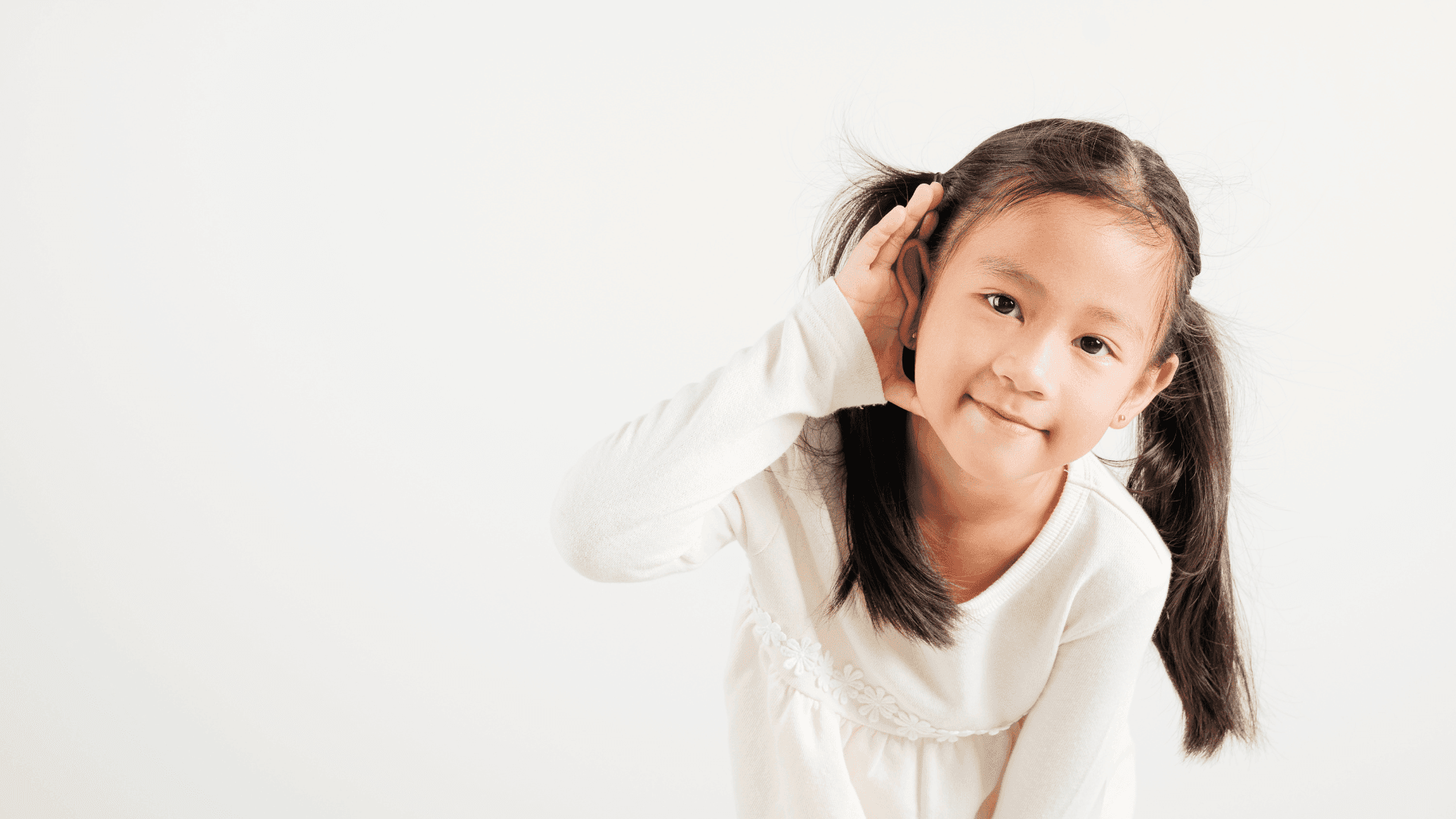
Calming Sounds for Children: Why Generic Sounds Miss the Mark (And What Actually Works for Sensitive and Neurodivergent Kids)
Calming Sounds for Children: Why Generic Sounds Miss the Mark (And What Actually Works for Sensitive and Neurodivergent Kids)
You've Tried Everything. Nothing Sticks.
It's 9:47pm. Again.
You've downloaded the apps. Played the white noise. Tried the meditation videos other parents swear by. And for some reason, none of it works for your child.
Maybe the sounds made them more agitated. Perhaps they lasted a few days before losing their magic. Or your child simply refused to engage with content that required following instructions when they were already overwhelmed.
Here's what we want you to know about calming sounds for children: it's not your child. It's not you. It's the sounds themselves.
Most calming sounds weren't designed for children like yours. They were made for neurotypical brains and hoped to work for everyone. But your child's brain processes sound differently.
When we understand that difference, calming sounds stop being another failed experiment and start actually helping.
This guide will show you why generic sounds miss the mark for sensitive and neurodivergent children, explain the different types of sounds available, and help you find what actually works. Because when sounds are designed for how your child's brain works, they can transform bedtime, ease transitions, and give your whole family more peaceful moments.
One mum told us recently: "I didn't believe it would work after everything we'd tried. Within a week, bedtime was different." That's not magic. It's matching the right sounds to how your child actually processes them.
What Are Calming Sounds for Children?
Calming sounds are audio designed to help children relax, settle, and regulate their emotions. Unlike music, which requires the brain to process melody, rhythm, and structure, calming sounds can work on a more basic level. They create an auditory environment that helps the nervous system shift from alert to calm.
For children, this might look like:
Settling to sleep in 20 minutes instead of 90
Recovering faster after a meltdown or moment of overwhelm
Focusing through homework without three arguments
Managing transitions like getting in the car or leaving a favourite activity
Feeling calmer in overstimulating environments like supermarkets or birthday parties
The research supports what many parents discover through experience. Studies show that background noise can improve attention and memory in children who struggle with focus Soderlund et al., 2016: The effects of background white noise on memory performance in inattentive school children. Other research found that ASMR triggers reliable physiological calming responses including reduced heart rate Poerio et al., 2018: More than a feeling: Autonomous sensory meridian response (ASMR) is characterized by reliable changes in affect and physiology.
But here's what the research also shows: not all sounds work equally for all children.
And for neurodivergent children, the differences matter enormously.
Why Generic Calming Sounds Fail Sensitive Children
You've probably noticed that sounds other parents rave about do nothing for your child. Or worse, they seem to increase agitation rather than reduce it.
This isn't random. There's a real reason generic calming sounds often fail sensitive and neurodivergent children.
The Problem with "One Size Fits All"
Most popular calming sound apps (Calm Kids, Moshi, Headspace Kids) take one of two approaches:
Adapted from adult content. Apps like Calm and Headspace started with adult meditation and simplified it for children. The scripts are shorter. The voices are gentler. But the fundamental approach assumes a child can follow instructions, make choices, and engage actively with the content. When your child is already overwhelmed, that's asking too much.
Adapted for neurodivergent children after the fact. Some apps designed for neurotypical children add a "sensory-friendly" label or collect testimonials from ND families. But the content itself wasn't built with neurodivergent processing in mind. It's the same sounds with different marketing.
Neither approach works reliably for children whose brains process differently. And you've probably discovered this the hard way.
What Neurodivergent Children Actually Need
The numbers tell the story. Research from the American Academy of Pediatrics shows that over 90% of autistic children experience sensory processing differences (American Academy of Pediatrics, 2016: Sensory Features in Autism Spectrum Disorders. Children with ADHD similarly process sensory input differently than their neurotypical peers.
These differences mean:
Sounds need to require nothing. When your child is overwhelmed or struggling to settle, they can't follow instructions. "Close your eyes and imagine..." fails when their nervous system is in fight-or-flight. They need sounds they can simply receive without any cognitive demands.
Volume and frequency thresholds differ. A sound that feels pleasant to one child might register as painfully intense to another. Generic sounds can't account for these thresholds because they're designed for average processing.
Predictability matters more. Sudden changes in volume or unexpected sounds can trigger rather than calm. Neurodivergent children often need audio that's more consistent and predictable than generic content provides.
Passive listening works when active engagement fails. Meditation apps that require tapping, choosing, or responding add cognitive load at exactly the moment your child has none to spare. Press play, done. That's what actually helps.
For a deeper look at why this mismatch happens, read our article on why generic calming sounds fail neurodivergent children.
The "Designed FOR" Difference
This is where the gap exists in the market. The sounds that work for neurodivergent children aren't adapted from something else. They're designed from the ground up with ND brains in mind.
That means:
No interaction required. Press play and done.
No sudden volume changes or startling elements
Options across the full sensory spectrum, from minimal to layered
Zero cognitive load. No choices, no instructions, no engagement needed.
When sounds are designed FOR rather than adapted FOR your child's brain, the difference is immediate. Parents notice it within days, not weeks.
The Different Types of Calming Sounds
Not all calming sounds work the same way. Understanding the differences helps you match the right sound to your child's needs.
And that match? It makes all the difference.
White Noise, Pink Noise, and Brown Noise
These are the most familiar categories of background noise.
White noise contains all frequencies at equal intensity. It sounds like static or a fan. Research shows it can be particularly helpful for children with attention difficulties, possibly because it raises baseline neural noise, helping the brain focus on relevant information Helps et al., 2014: Different Effects of Adding White Noise on Cognitive Performance of Sub-Groups.
Pink noise emphasises lower frequencies. It sounds softer than white noise, more like rainfall or wind. Many children find it easier to tolerate for longer periods.
Brown noise goes deeper still, with even more low-frequency emphasis. It sounds like a low rumble, ocean waves, or thunder in the distance. Many children with sensory sensitivities prefer this because the lower frequencies feel less intrusive. Think of it as a warm blanket for the ears.
ASMR for Children
ASMR, or Autonomous Sensory Meridian Response, refers to the tingling, relaxing sensation some people feel in response to specific auditory triggers. Common triggers include whispering, soft tapping, and gentle crinkling sounds.
Not everyone experiences ASMR, but for those who do, it can be profoundly calming. Research confirms it produces measurable physiological relaxation, including reduced heart rate, in responsive individuals (Poerio et al., 2018).
For children, ASMR content needs careful consideration. The triggers need to be appropriate, the sounds need to avoid anything potentially startling, and the content shouldn't require interaction. When done well, ASMR can help children who don't respond to other sound types.
Binaural Beats and Frequencies
Binaural beats work by playing slightly different frequencies in each ear. The brain perceives a third tone at the difference between them. Some research suggests this can influence brainwave patterns Engelbregt et al., 2021: Short- and long-term effects of binaural beats on EEG measures in healthy adults.
Important for parents: Most binaural beat research has been conducted on adults. We're honest about this because good information matters more than overpromising. The research on children specifically is limited. That said, many parents report their children respond well to binaural beats, particularly for focus and sleep.
Solfeggio frequencies are specific tones that some practitioners believe have particular effects on mood and wellbeing. These are less studied than binaural beats, but some families find them helpful.
Nature Sounds and Ambient Audio
Rainfall, ocean waves, forest sounds, crackling fires. Nature sounds work by creating a consistent, predictable auditory environment that feels safe and familiar.
For many children, nature sounds provide the right balance. They're interesting enough to capture attention but predictable enough not to trigger. They can mask jarring household noises. And they feel more "natural" than electronic sounds.
Layered Soundscapes
Some children respond best to carefully layered combinations of sound types. Soft ambient sounds combined with gentle frequencies, creating an immersive audio environment that holds attention without overwhelming
At HushAway®, we call these combinations Kaleidoscopes. They're designed to provide more interest than single-sound options while maintaining the predictability neurodivergent children need.
For a complete breakdown of these sound types with research context, see our parent's guide to sound types.
Matching Sounds to Your Child's Needs
Different struggles call for different sounds. Here's how to match what your child needs to what might actually help.
This is where things get practical.
For Sleep Struggles
Sleep problems in neurodivergent children rarely have a single cause. Racing thoughts. Sensory sensitivity. Difficulty transitioning from waking to sleeping. Anxiety about being alone in the dark. The NHS notes that sleep difficulties are common in children and often require addressing the underlying causes rather than quick fixes NHS Every Mind Matters, 2025: Looking After a Child or Young Person's Mental Health. The right sound depends on what's actually happening underneath the "won't sleep" surface.
Racing brain at bedtime: Your child lies awake with thoughts spinning. They can't switch off no matter how tired they are. You can see their exhaustion, but their brain won't cooperate. Try pink or brown noise to create a consistent background that gives the brain something neutral to rest on. Binaural beats designed for sleep may also help by supporting the transition to slower brainwaves.
Sensory sensitivity at night: Every creak of the house, every passing car, keeps them alert. White or pink noise masks these environmental sounds. Choose consistent sounds without variation. Sudden volume changes, even quiet ones, can trigger a sensitive nervous system.
Transition anxiety: They can't move from being awake to being asleep. The change itself feels overwhelming. Gentle ASMR or soft ambient soundscapes can create a bridge. Something to focus on that's calming but not stimulating. Layered sounds like Kaleidoscopes give the brain something to settle into without demanding attention.
Read more in our guide to which sleep sounds help children settle.
For Anxiety and Overwhelm
When anxiety spikes, the nervous system goes into overdrive. You can see it in their body, their breathing, their face. The goal with sound is to help bring it back down without adding demands.
In-the-moment anxiety: When your child is actively anxious, they can't process instructions or make choices. Passive sounds they can simply receive work best. Try simple ambient sounds, consistent frequencies, or familiar ASMR triggers they've responded to before. Keep it predictable. No choices, no questions, just sound.
Building tolerance over time: When your child isn't actively anxious, you can help them build familiarity with calming sounds. This creates positive associations they can draw on when anxiety arrives. Let them explore different sound types and notice what their body responds to. Over time, these become tools they recognise and can request.
For Focus and Homework
This is where sound science gets genuinely interesting. Research consistently shows that background noise can actually improve focus in children who struggle with attention (Soderlund et al., 2016). The mechanism seems to be that external noise occupies part of the brain's processing capacity, freeing up other parts to focus on the task at hand.
In other words: the "right" amount of noise can help an ADHD brain concentrate better, not worse.
For concentration: White noise or pink noise at moderate volume often helps. Some children focus better with binaural beats designed for alertness. Avoid sounds with variation or interest that might pull attention away from the task.
For boring tasks: When the task itself doesn't engage them, a bit more interest in the background sound can help. Layered ambient sounds or gentle nature soundscapes provide enough stimulation to keep the brain engaged without overwhelming focus.
For Transitions and Difficult Moments
Transitions are hard for many neurodivergent children. The shift from one activity to another, from one environment to another, from one state to another. You know this. You live it every day.
Sound can help bridge these gaps.
Morning routines: Consistent morning sounds create predictability. The same gentle soundscape every morning signals "this is wake-up time" without words or demands.
Leaving activities: When your child needs to stop something they're enjoying, sound can help the nervous system accept the change. Start the transition sound a few minutes before the shift needs to happen. It becomes an auditory signal that change is coming.
Car journeys: Some children struggle with the sensory input of car travel. The engine vibration. The unpredictable stops. The visual overwhelm. Noise cancelling headphones with calming sounds can create a protective bubble that makes journeys manageable.
Meltdown recovery: After a meltdown, the nervous system needs time to return to baseline. Gentle, familiar sounds can support this process without adding any demands. Keep choices to zero. Play something they've responded to before without asking questions or requiring engagement.
For specific recommendations by situation, see our guide to calming sounds for every situation.
Calming Sounds vs Music for Children
Parents often ask whether they should use calming sounds or calming music. It's a fair question. The answer depends on what you're trying to achieve and when.
The Key Difference
Music requires cognitive processing. Even calm music has melody, rhythm, harmony, and structure that the brain must decode and interpret. This processing takes mental energy.
That's fine when your child has energy to spare. It's a problem when they don't.
Calming sounds, by contrast, can work on a more basic level. Consistent background noise or ambient soundscapes don't require the brain to process patterns. They simply create an auditory environment.
When Music Works
Music can be brilliant for:
Enjoyment and engagement when your child has energy to spare
Movement and regulation activities
Creating positive associations with routines
Distraction from uncomfortable situations
When Sounds Work Better
Calming sounds often work better for:
Settling to sleep when the brain needs to stop processing
Recovering from overwhelm when cognitive capacity is depleted
Background support during focus tasks
Moments when any demand feels like too much
The Neurodivergent Consideration
For neurodivergent children, this difference becomes more pronounced. When their nervous system is already working hard, adding the cognitive load of music processing can tip them over. Sounds that ask nothing of them can provide support without additional demand.
Some children respond well to very simple, repetitive music that approaches the quality of sound rather than traditional music. Gentle instrumental loops, ambient compositions, slow progressions without surprises.
The honest answer is: you'll need to observe your child to see what helps when. Every child is different, and yours knows best what works for their body and brain. But understanding the difference between sounds and music gives you a framework for experimenting.
For more on this topic, read calming sounds versus music.
Finding the Right Calming Sounds in the UK
If you're looking for calming sounds in the UK, you have options. Here's an honest overview of what's actually available.
Free Options Available
CBeebies Radio provides calming sound options free and ad-free, backed by the BBC's trusted reputation BBC, 2024: CBeebies Radio. The sounds are decent and appropriate for children. However, they're generic rather than designed specifically for neurodivergent children, and the variety is limited.
YouTube has endless options. Some creators specifically make content for neurodivergent children. The challenge? YouTube may include advertisements (nothing calming about a loud advert interrupting sleep sounds), the algorithm is unpredictable, and the quality varies wildly. Spending time in front of a screen also works against the goal of calming down.
Streaming platforms like Spotify and Apple Music have calming playlists, but again, these are generic rather than designed for specific needs.
The Neurodivergent-First Option
HushAway® is the only free option we're aware of in the UK that was designed from the ground up for neurodivergent and sensitive children.
The Sound Sanctuary is our sound library. It includes curated sounds across multiple types: ASMR, frequencies, ambient sounds, binaural beats, and layered soundscapes. Every sound was created with sensory-sensitive processing in mind. No sudden changes, no demands, no interactions required.
What makes HushAway® different:
Passive listening. Press play and done. No choices, no instructions, no engagement needed. When you're exhausted and your child is overwhelmed, that simplicity matters.
Designed for ND children from the start. Not adapted from adult content or generic children's audio. Built by a neurodivergent-inclusive coach who understands sensory processing.
22+ sound formats. From simple white noise to complex layered Kaleidoscopes. Because one size never fits all.
UK-created. Made by parents who understand UK families.
Zero sensory triggers* Every sound is reviewed for potential triggers before it enters the library.
For a comparison of all free options available to UK families, read free calming sounds for children in the UK.
How to Get Started with HushAway
If you're ready to try sounds designed for how your child's brain actually works, here's how to begin. No commitment. No complicated setup. Just sounds you can try tonight.
Start with The Sound Sanctuary 14-day Free Trial
The Sound Sanctuary is our sound library. You can explore it without any commitment and see whether sounds designed for neurodivergent children make a difference for your family.
We recommend starting with:
Try a few sound types to see what your child responds to. Some children gravitate towards ASMR triggers, others prefer simple ambient sounds, others respond to frequencies. Your child will tell you (with their body language, not words) what works.
Start at a familiar time like bedtime or quiet time after school. These are moments when calm matters most and your child's response will be clearest.
Observe without expecting. Some children respond immediately. Others need a few days of consistent exposure. Give it time before deciding whether it's working.
Tips for Success
Keep volume moderate. Loud sounds, even calming ones, can overwhelm sensitive nervous systems. Start quieter than you think you need.
Build consistency. The same sound at the same time each day creates predictability. Over time, the sound itself becomes a signal for calm.
Don't force it. If your child resists a particular sound, try something different. The goal is zero-demand support, not another battle. You've got enough of those already.
Make it accessible. Consider where and how your child will listen. A tablet in their room? A speaker in a calm corner? Headphones in the car? The easier it is to access, the more useful it becomes.
The Full HushAway® Library
If The Sound Sanctuary helps your family, the full HushAway® Library offers:
Sounds across all categories
Premium content including stories and guided experiences
A parent community for support and ideas
Live Q&As with Nicola and the team
But start with what's free. See if sounds designed for your child's brain make a difference. That's all that matters right now.
Bringing It All Together
Here's what we hope you take away from this guide.
Calming sounds for children work when they're designed for how your child's brain actually processes sound. Generic sounds made for neurotypical children and hoped to work for everyone often don't. Not because your child is difficult. Because the sounds weren't made for them.
When sounds are created from the ground up for neurodivergent and sensitive children, everything changes. Sounds that ask nothing. Sounds that consider sensory thresholds. Sounds that support without demanding.
Whether you're struggling with bedtime, managing transitions, supporting focus, or just looking for more peaceful moments in your family's day, the right sounds can help.
And if you've tried everything and nothing has worked, we understand. We built HushAway® because we needed it too.
One quiet moment can change a whole day for a child. Let's find what works for yours.
Explore The Sound Sanctuary and discover sounds designed for your child.
You've Tried Everything. Nothing Sticks.
It's 9:47pm. Again.
You've downloaded the apps. Played the white noise. Tried the meditation videos other parents swear by. And for some reason, none of it works for your child.
Maybe the sounds made them more agitated. Perhaps they lasted a few days before losing their magic. Or your child simply refused to engage with content that required following instructions when they were already overwhelmed.
Here's what we want you to know about calming sounds for children: it's not your child. It's not you. It's the sounds themselves.
Most calming sounds weren't designed for children like yours. They were made for neurotypical brains and hoped to work for everyone. But your child's brain processes sound differently.
When we understand that difference, calming sounds stop being another failed experiment and start actually helping.
This guide will show you why generic sounds miss the mark for sensitive and neurodivergent children, explain the different types of sounds available, and help you find what actually works. Because when sounds are designed for how your child's brain works, they can transform bedtime, ease transitions, and give your whole family more peaceful moments.
One mum told us recently: "I didn't believe it would work after everything we'd tried. Within a week, bedtime was different." That's not magic. It's matching the right sounds to how your child actually processes them.
What Are Calming Sounds for Children?
Calming sounds are audio designed to help children relax, settle, and regulate their emotions. Unlike music, which requires the brain to process melody, rhythm, and structure, calming sounds can work on a more basic level. They create an auditory environment that helps the nervous system shift from alert to calm.
For children, this might look like:
Settling to sleep in 20 minutes instead of 90
Recovering faster after a meltdown or moment of overwhelm
Focusing through homework without three arguments
Managing transitions like getting in the car or leaving a favourite activity
Feeling calmer in overstimulating environments like supermarkets or birthday parties
The research supports what many parents discover through experience. Studies show that background noise can improve attention and memory in children who struggle with focus Soderlund et al., 2016: The effects of background white noise on memory performance in inattentive school children. Other research found that ASMR triggers reliable physiological calming responses including reduced heart rate Poerio et al., 2018: More than a feeling: Autonomous sensory meridian response (ASMR) is characterized by reliable changes in affect and physiology.
But here's what the research also shows: not all sounds work equally for all children.
And for neurodivergent children, the differences matter enormously.
Why Generic Calming Sounds Fail Sensitive Children
You've probably noticed that sounds other parents rave about do nothing for your child. Or worse, they seem to increase agitation rather than reduce it.
This isn't random. There's a real reason generic calming sounds often fail sensitive and neurodivergent children.
The Problem with "One Size Fits All"
Most popular calming sound apps (Calm Kids, Moshi, Headspace Kids) take one of two approaches:
Adapted from adult content. Apps like Calm and Headspace started with adult meditation and simplified it for children. The scripts are shorter. The voices are gentler. But the fundamental approach assumes a child can follow instructions, make choices, and engage actively with the content. When your child is already overwhelmed, that's asking too much.
Adapted for neurodivergent children after the fact. Some apps designed for neurotypical children add a "sensory-friendly" label or collect testimonials from ND families. But the content itself wasn't built with neurodivergent processing in mind. It's the same sounds with different marketing.
Neither approach works reliably for children whose brains process differently. And you've probably discovered this the hard way.
What Neurodivergent Children Actually Need
The numbers tell the story. Research from the American Academy of Pediatrics shows that over 90% of autistic children experience sensory processing differences (American Academy of Pediatrics, 2016: Sensory Features in Autism Spectrum Disorders. Children with ADHD similarly process sensory input differently than their neurotypical peers.
These differences mean:
Sounds need to require nothing. When your child is overwhelmed or struggling to settle, they can't follow instructions. "Close your eyes and imagine..." fails when their nervous system is in fight-or-flight. They need sounds they can simply receive without any cognitive demands.
Volume and frequency thresholds differ. A sound that feels pleasant to one child might register as painfully intense to another. Generic sounds can't account for these thresholds because they're designed for average processing.
Predictability matters more. Sudden changes in volume or unexpected sounds can trigger rather than calm. Neurodivergent children often need audio that's more consistent and predictable than generic content provides.
Passive listening works when active engagement fails. Meditation apps that require tapping, choosing, or responding add cognitive load at exactly the moment your child has none to spare. Press play, done. That's what actually helps.
For a deeper look at why this mismatch happens, read our article on why generic calming sounds fail neurodivergent children.
The "Designed FOR" Difference
This is where the gap exists in the market. The sounds that work for neurodivergent children aren't adapted from something else. They're designed from the ground up with ND brains in mind.
That means:
No interaction required. Press play and done.
No sudden volume changes or startling elements
Options across the full sensory spectrum, from minimal to layered
Zero cognitive load. No choices, no instructions, no engagement needed.
When sounds are designed FOR rather than adapted FOR your child's brain, the difference is immediate. Parents notice it within days, not weeks.
The Different Types of Calming Sounds
Not all calming sounds work the same way. Understanding the differences helps you match the right sound to your child's needs.
And that match? It makes all the difference.
White Noise, Pink Noise, and Brown Noise
These are the most familiar categories of background noise.
White noise contains all frequencies at equal intensity. It sounds like static or a fan. Research shows it can be particularly helpful for children with attention difficulties, possibly because it raises baseline neural noise, helping the brain focus on relevant information Helps et al., 2014: Different Effects of Adding White Noise on Cognitive Performance of Sub-Groups.
Pink noise emphasises lower frequencies. It sounds softer than white noise, more like rainfall or wind. Many children find it easier to tolerate for longer periods.
Brown noise goes deeper still, with even more low-frequency emphasis. It sounds like a low rumble, ocean waves, or thunder in the distance. Many children with sensory sensitivities prefer this because the lower frequencies feel less intrusive. Think of it as a warm blanket for the ears.
ASMR for Children
ASMR, or Autonomous Sensory Meridian Response, refers to the tingling, relaxing sensation some people feel in response to specific auditory triggers. Common triggers include whispering, soft tapping, and gentle crinkling sounds.
Not everyone experiences ASMR, but for those who do, it can be profoundly calming. Research confirms it produces measurable physiological relaxation, including reduced heart rate, in responsive individuals (Poerio et al., 2018).
For children, ASMR content needs careful consideration. The triggers need to be appropriate, the sounds need to avoid anything potentially startling, and the content shouldn't require interaction. When done well, ASMR can help children who don't respond to other sound types.
Binaural Beats and Frequencies
Binaural beats work by playing slightly different frequencies in each ear. The brain perceives a third tone at the difference between them. Some research suggests this can influence brainwave patterns Engelbregt et al., 2021: Short- and long-term effects of binaural beats on EEG measures in healthy adults.
Important for parents: Most binaural beat research has been conducted on adults. We're honest about this because good information matters more than overpromising. The research on children specifically is limited. That said, many parents report their children respond well to binaural beats, particularly for focus and sleep.
Solfeggio frequencies are specific tones that some practitioners believe have particular effects on mood and wellbeing. These are less studied than binaural beats, but some families find them helpful.
Nature Sounds and Ambient Audio
Rainfall, ocean waves, forest sounds, crackling fires. Nature sounds work by creating a consistent, predictable auditory environment that feels safe and familiar.
For many children, nature sounds provide the right balance. They're interesting enough to capture attention but predictable enough not to trigger. They can mask jarring household noises. And they feel more "natural" than electronic sounds.
Layered Soundscapes
Some children respond best to carefully layered combinations of sound types. Soft ambient sounds combined with gentle frequencies, creating an immersive audio environment that holds attention without overwhelming
At HushAway®, we call these combinations Kaleidoscopes. They're designed to provide more interest than single-sound options while maintaining the predictability neurodivergent children need.
For a complete breakdown of these sound types with research context, see our parent's guide to sound types.
Matching Sounds to Your Child's Needs
Different struggles call for different sounds. Here's how to match what your child needs to what might actually help.
This is where things get practical.
For Sleep Struggles
Sleep problems in neurodivergent children rarely have a single cause. Racing thoughts. Sensory sensitivity. Difficulty transitioning from waking to sleeping. Anxiety about being alone in the dark. The NHS notes that sleep difficulties are common in children and often require addressing the underlying causes rather than quick fixes NHS Every Mind Matters, 2025: Looking After a Child or Young Person's Mental Health. The right sound depends on what's actually happening underneath the "won't sleep" surface.
Racing brain at bedtime: Your child lies awake with thoughts spinning. They can't switch off no matter how tired they are. You can see their exhaustion, but their brain won't cooperate. Try pink or brown noise to create a consistent background that gives the brain something neutral to rest on. Binaural beats designed for sleep may also help by supporting the transition to slower brainwaves.
Sensory sensitivity at night: Every creak of the house, every passing car, keeps them alert. White or pink noise masks these environmental sounds. Choose consistent sounds without variation. Sudden volume changes, even quiet ones, can trigger a sensitive nervous system.
Transition anxiety: They can't move from being awake to being asleep. The change itself feels overwhelming. Gentle ASMR or soft ambient soundscapes can create a bridge. Something to focus on that's calming but not stimulating. Layered sounds like Kaleidoscopes give the brain something to settle into without demanding attention.
Read more in our guide to which sleep sounds help children settle.
For Anxiety and Overwhelm
When anxiety spikes, the nervous system goes into overdrive. You can see it in their body, their breathing, their face. The goal with sound is to help bring it back down without adding demands.
In-the-moment anxiety: When your child is actively anxious, they can't process instructions or make choices. Passive sounds they can simply receive work best. Try simple ambient sounds, consistent frequencies, or familiar ASMR triggers they've responded to before. Keep it predictable. No choices, no questions, just sound.
Building tolerance over time: When your child isn't actively anxious, you can help them build familiarity with calming sounds. This creates positive associations they can draw on when anxiety arrives. Let them explore different sound types and notice what their body responds to. Over time, these become tools they recognise and can request.
For Focus and Homework
This is where sound science gets genuinely interesting. Research consistently shows that background noise can actually improve focus in children who struggle with attention (Soderlund et al., 2016). The mechanism seems to be that external noise occupies part of the brain's processing capacity, freeing up other parts to focus on the task at hand.
In other words: the "right" amount of noise can help an ADHD brain concentrate better, not worse.
For concentration: White noise or pink noise at moderate volume often helps. Some children focus better with binaural beats designed for alertness. Avoid sounds with variation or interest that might pull attention away from the task.
For boring tasks: When the task itself doesn't engage them, a bit more interest in the background sound can help. Layered ambient sounds or gentle nature soundscapes provide enough stimulation to keep the brain engaged without overwhelming focus.
For Transitions and Difficult Moments
Transitions are hard for many neurodivergent children. The shift from one activity to another, from one environment to another, from one state to another. You know this. You live it every day.
Sound can help bridge these gaps.
Morning routines: Consistent morning sounds create predictability. The same gentle soundscape every morning signals "this is wake-up time" without words or demands.
Leaving activities: When your child needs to stop something they're enjoying, sound can help the nervous system accept the change. Start the transition sound a few minutes before the shift needs to happen. It becomes an auditory signal that change is coming.
Car journeys: Some children struggle with the sensory input of car travel. The engine vibration. The unpredictable stops. The visual overwhelm. Noise cancelling headphones with calming sounds can create a protective bubble that makes journeys manageable.
Meltdown recovery: After a meltdown, the nervous system needs time to return to baseline. Gentle, familiar sounds can support this process without adding any demands. Keep choices to zero. Play something they've responded to before without asking questions or requiring engagement.
For specific recommendations by situation, see our guide to calming sounds for every situation.
Calming Sounds vs Music for Children
Parents often ask whether they should use calming sounds or calming music. It's a fair question. The answer depends on what you're trying to achieve and when.
The Key Difference
Music requires cognitive processing. Even calm music has melody, rhythm, harmony, and structure that the brain must decode and interpret. This processing takes mental energy.
That's fine when your child has energy to spare. It's a problem when they don't.
Calming sounds, by contrast, can work on a more basic level. Consistent background noise or ambient soundscapes don't require the brain to process patterns. They simply create an auditory environment.
When Music Works
Music can be brilliant for:
Enjoyment and engagement when your child has energy to spare
Movement and regulation activities
Creating positive associations with routines
Distraction from uncomfortable situations
When Sounds Work Better
Calming sounds often work better for:
Settling to sleep when the brain needs to stop processing
Recovering from overwhelm when cognitive capacity is depleted
Background support during focus tasks
Moments when any demand feels like too much
The Neurodivergent Consideration
For neurodivergent children, this difference becomes more pronounced. When their nervous system is already working hard, adding the cognitive load of music processing can tip them over. Sounds that ask nothing of them can provide support without additional demand.
Some children respond well to very simple, repetitive music that approaches the quality of sound rather than traditional music. Gentle instrumental loops, ambient compositions, slow progressions without surprises.
The honest answer is: you'll need to observe your child to see what helps when. Every child is different, and yours knows best what works for their body and brain. But understanding the difference between sounds and music gives you a framework for experimenting.
For more on this topic, read calming sounds versus music.
Finding the Right Calming Sounds in the UK
If you're looking for calming sounds in the UK, you have options. Here's an honest overview of what's actually available.
Free Options Available
CBeebies Radio provides calming sound options free and ad-free, backed by the BBC's trusted reputation BBC, 2024: CBeebies Radio. The sounds are decent and appropriate for children. However, they're generic rather than designed specifically for neurodivergent children, and the variety is limited.
YouTube has endless options. Some creators specifically make content for neurodivergent children. The challenge? YouTube may include advertisements (nothing calming about a loud advert interrupting sleep sounds), the algorithm is unpredictable, and the quality varies wildly. Spending time in front of a screen also works against the goal of calming down.
Streaming platforms like Spotify and Apple Music have calming playlists, but again, these are generic rather than designed for specific needs.
The Neurodivergent-First Option
HushAway® is the only free option we're aware of in the UK that was designed from the ground up for neurodivergent and sensitive children.
The Sound Sanctuary is our sound library. It includes curated sounds across multiple types: ASMR, frequencies, ambient sounds, binaural beats, and layered soundscapes. Every sound was created with sensory-sensitive processing in mind. No sudden changes, no demands, no interactions required.
What makes HushAway® different:
Passive listening. Press play and done. No choices, no instructions, no engagement needed. When you're exhausted and your child is overwhelmed, that simplicity matters.
Designed for ND children from the start. Not adapted from adult content or generic children's audio. Built by a neurodivergent-inclusive coach who understands sensory processing.
22+ sound formats. From simple white noise to complex layered Kaleidoscopes. Because one size never fits all.
UK-created. Made by parents who understand UK families.
Zero sensory triggers* Every sound is reviewed for potential triggers before it enters the library.
For a comparison of all free options available to UK families, read free calming sounds for children in the UK.
How to Get Started with HushAway
If you're ready to try sounds designed for how your child's brain actually works, here's how to begin. No commitment. No complicated setup. Just sounds you can try tonight.
Start with The Sound Sanctuary 14-day Free Trial
The Sound Sanctuary is our sound library. You can explore it without any commitment and see whether sounds designed for neurodivergent children make a difference for your family.
We recommend starting with:
Try a few sound types to see what your child responds to. Some children gravitate towards ASMR triggers, others prefer simple ambient sounds, others respond to frequencies. Your child will tell you (with their body language, not words) what works.
Start at a familiar time like bedtime or quiet time after school. These are moments when calm matters most and your child's response will be clearest.
Observe without expecting. Some children respond immediately. Others need a few days of consistent exposure. Give it time before deciding whether it's working.
Tips for Success
Keep volume moderate. Loud sounds, even calming ones, can overwhelm sensitive nervous systems. Start quieter than you think you need.
Build consistency. The same sound at the same time each day creates predictability. Over time, the sound itself becomes a signal for calm.
Don't force it. If your child resists a particular sound, try something different. The goal is zero-demand support, not another battle. You've got enough of those already.
Make it accessible. Consider where and how your child will listen. A tablet in their room? A speaker in a calm corner? Headphones in the car? The easier it is to access, the more useful it becomes.
The Full HushAway® Library
If The Sound Sanctuary helps your family, the full HushAway® Library offers:
Sounds across all categories
Premium content including stories and guided experiences
A parent community for support and ideas
Live Q&As with Nicola and the team
But start with what's free. See if sounds designed for your child's brain make a difference. That's all that matters right now.
Bringing It All Together
Here's what we hope you take away from this guide.
Calming sounds for children work when they're designed for how your child's brain actually processes sound. Generic sounds made for neurotypical children and hoped to work for everyone often don't. Not because your child is difficult. Because the sounds weren't made for them.
When sounds are created from the ground up for neurodivergent and sensitive children, everything changes. Sounds that ask nothing. Sounds that consider sensory thresholds. Sounds that support without demanding.
Whether you're struggling with bedtime, managing transitions, supporting focus, or just looking for more peaceful moments in your family's day, the right sounds can help.
And if you've tried everything and nothing has worked, we understand. We built HushAway® because we needed it too.
One quiet moment can change a whole day for a child. Let's find what works for yours.
Explore The Sound Sanctuary and discover sounds designed for your child.
Make tomorrow feel easier
Whether it’s bedtime battles, big emotions or sensory overload, small sound moments can bring your child the reassurance and stability they need.



Make tomorrow feel easier
Whether it’s bedtime battles, big emotions or sensory overload, small sound moments can bring your child the reassurance and stability they need.
Make tomorrow feel easier
Whether it’s bedtime battles, big emotions or sensory overload, small sound moments can bring your child the reassurance and stability they need.
What age are calming sounds suitable for?
Calming sounds can support children from infancy through the teenage years. For babies and toddlers (0-3), simple ambient sounds and gentle nature audio work well for sleep and settling. As children grow, they often develop preferences for specific sound types. By age 8-10, some children respond well to more complex options like binaural beats or layered soundscapes. Teenagers dealing with exam stress or anxiety can benefit from frequencies and ASMR. The key is matching the sound complexity to your child's developmental stage and individual preferences.
How long should calming sounds play for?
This depends on the purpose. For sleep, sounds can play all night if your child finds this helpful. Some families set a timer for 30-60 minutes as their child falls asleep. For focus during homework, 20-45 minute sessions often work well. For recovering from overwhelm or anxiety, 10-20 minutes may be enough to help the nervous system settle. There's no hard rule. Observe your child and adjust based on what helps.
Can calming sounds replace other support for my neurodivergent child?
Calming sounds are one tool, not a replacement for other support your child might need. They work alongside therapy, accommodations, and other strategies. Think of sounds as practical daily support that can make individual moments easier. They complement professional guidance rather than replacing it.
Will my child become dependent on sounds to sleep or calm down?
Creating positive associations with calming sounds isn't dependency. It's building a tool your child can use throughout their life. Many adults use background sounds for focus or sleep without considering themselves dependent. The goal is giving your child something that helps them, not taking things away. If sounds help your child sleep better, that's a good thing. Over time, they may need them less, or they may continue to appreciate them. Both are fine.
What if a sound makes my child more agitated?
This happens, and it's useful information. Your child's reaction tells you something about their sensory processing. A sound that's too stimulating, too unpredictable, or contains triggering frequencies won't help. Turn it off without making it a big deal, and try something different another time. The variety of sound types exists precisely because different children respond to different things. You're not doing it wrong if the first sound doesn't work.
Should my child use headphones or speakers?
Both can work depending on the situation. Speakers fill a room and don't require anything on the child's body, which matters for children who find headphones uncomfortable. Headphones create a more immersive experience and block external sounds, which can help in noisy environments or when siblings share a room. For car journeys or public spaces, headphones often work better. For bedtime in their own room, speakers may be easier. Let your child's preferences and the practical situation guide you.
How is HushAway different from other calming sound apps?
HushAway® was designed from the start for neurodivergent and sensitive children. Other apps either adapt adult content for children (like Calm and Headspace) or adapt generic children's content with a "sensory-friendly" label. HushAway's sounds were created with ND brains in mind from the beginning: passive listening with no interaction required, no sensory triggers, consistent and predictable audio, and 22+ formats to find what works for your individual child. The Sound Sanctuary offers this free for 14-days, which no other UK option provides.
What if nothing has worked before?
If generic calming sounds haven't helped, that doesn't mean sounds can't help your child. It often means the sounds weren't designed for how their brain processes audio. Sounds adapted from neurotypical content may actively not work for neurodivergent children. Before concluding that "sounds don't work for us," try sounds specifically designed for ND children. Many parents who'd given up on calming sounds found HushAway® made an immediate difference because the approach is fundamentally different.
What age are calming sounds suitable for?
Calming sounds can support children from infancy through the teenage years. For babies and toddlers (0-3), simple ambient sounds and gentle nature audio work well for sleep and settling. As children grow, they often develop preferences for specific sound types. By age 8-10, some children respond well to more complex options like binaural beats or layered soundscapes. Teenagers dealing with exam stress or anxiety can benefit from frequencies and ASMR. The key is matching the sound complexity to your child's developmental stage and individual preferences.
How long should calming sounds play for?
This depends on the purpose. For sleep, sounds can play all night if your child finds this helpful. Some families set a timer for 30-60 minutes as their child falls asleep. For focus during homework, 20-45 minute sessions often work well. For recovering from overwhelm or anxiety, 10-20 minutes may be enough to help the nervous system settle. There's no hard rule. Observe your child and adjust based on what helps.
Can calming sounds replace other support for my neurodivergent child?
Calming sounds are one tool, not a replacement for other support your child might need. They work alongside therapy, accommodations, and other strategies. Think of sounds as practical daily support that can make individual moments easier. They complement professional guidance rather than replacing it.
Will my child become dependent on sounds to sleep or calm down?
Creating positive associations with calming sounds isn't dependency. It's building a tool your child can use throughout their life. Many adults use background sounds for focus or sleep without considering themselves dependent. The goal is giving your child something that helps them, not taking things away. If sounds help your child sleep better, that's a good thing. Over time, they may need them less, or they may continue to appreciate them. Both are fine.
What if a sound makes my child more agitated?
This happens, and it's useful information. Your child's reaction tells you something about their sensory processing. A sound that's too stimulating, too unpredictable, or contains triggering frequencies won't help. Turn it off without making it a big deal, and try something different another time. The variety of sound types exists precisely because different children respond to different things. You're not doing it wrong if the first sound doesn't work.
Should my child use headphones or speakers?
Both can work depending on the situation. Speakers fill a room and don't require anything on the child's body, which matters for children who find headphones uncomfortable. Headphones create a more immersive experience and block external sounds, which can help in noisy environments or when siblings share a room. For car journeys or public spaces, headphones often work better. For bedtime in their own room, speakers may be easier. Let your child's preferences and the practical situation guide you.
How is HushAway different from other calming sound apps?
HushAway® was designed from the start for neurodivergent and sensitive children. Other apps either adapt adult content for children (like Calm and Headspace) or adapt generic children's content with a "sensory-friendly" label. HushAway's sounds were created with ND brains in mind from the beginning: passive listening with no interaction required, no sensory triggers, consistent and predictable audio, and 22+ formats to find what works for your individual child. The Sound Sanctuary offers this free for 14-days, which no other UK option provides.
What if nothing has worked before?
If generic calming sounds haven't helped, that doesn't mean sounds can't help your child. It often means the sounds weren't designed for how their brain processes audio. Sounds adapted from neurotypical content may actively not work for neurodivergent children. Before concluding that "sounds don't work for us," try sounds specifically designed for ND children. Many parents who'd given up on calming sounds found HushAway® made an immediate difference because the approach is fundamentally different.
Founder & Creative Lead - The PeacePath® | Creator of HushAway® Neurodivergent Inclusive Coach | Voice Artist & Storyteller | Sound Therapy Practitioner