✨ Calm support for bedtime, focus and overwhelm, Free for 14 days. No card needed
✨ Calm support for bedtime, focus and overwhelm, Free for 14 days. No card needed
✨ Start your free trial today!

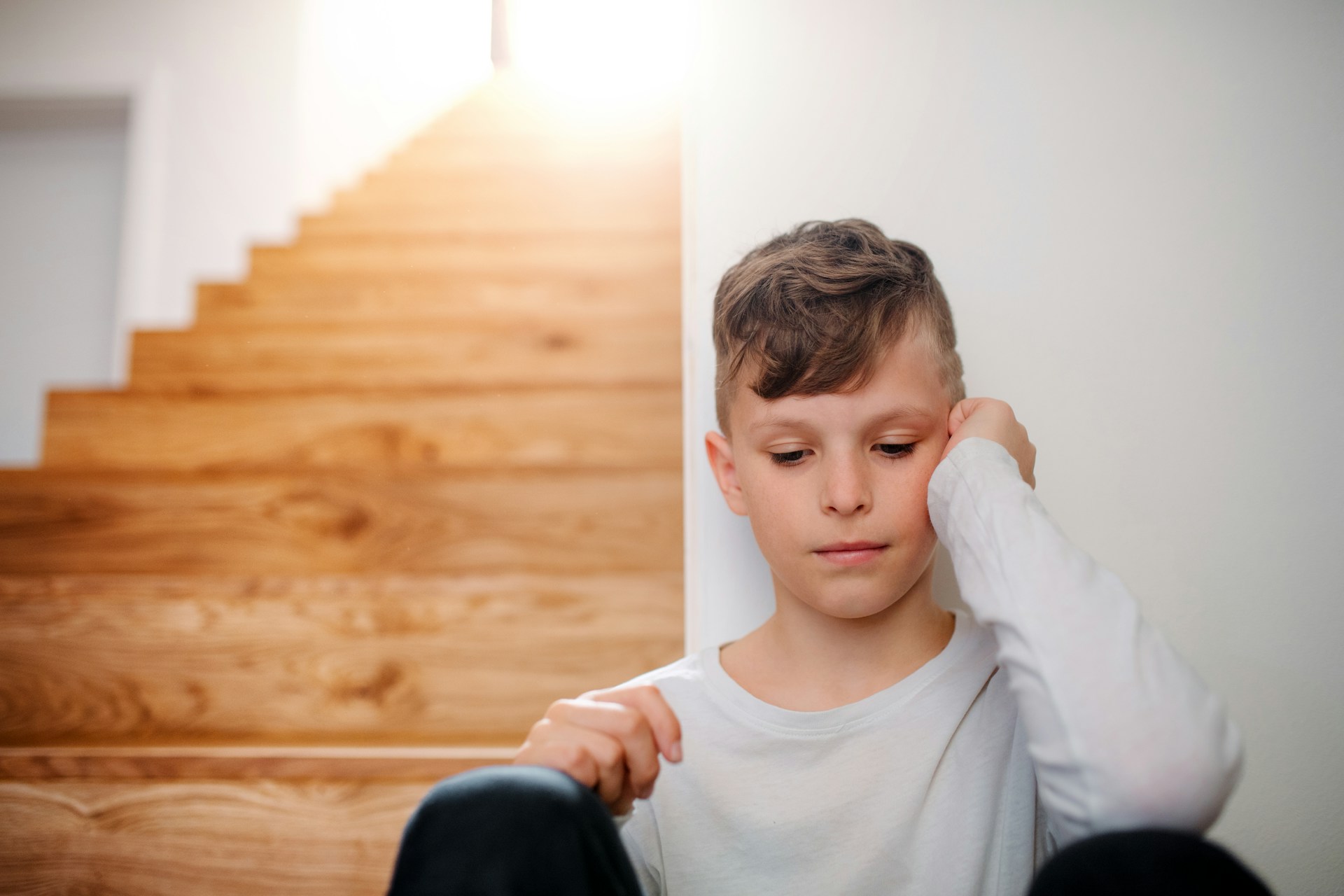
ADHD Anxiety In Children: Practical Support Ideas
ADHD Anxiety In Children: Practical Support Ideas
If your child lives with ADHD and anxiety at the same time, you will know how tangled those two threads can become. Racing thoughts that will not slow down at bedtime. A sudden wave of worry before a school morning. The meltdown that looks like defiance but is really a nervous system asking for safety. You are not imagining it, and you are not alone.
Many children with ADHD also feel anxious, and it makes real sense. When a busy, impulsive brain meets a mind that scans for what might go wrong, everyday life can feel enormous for a child, and tiring for the grown-ups beside them. ADHD anxiety is not a sign that your child is fragile or that you are doing something wrong. It is two ways of experiencing the world meeting in one small person.
The good news is that small, steady changes at home can help a great deal. You do not need a complicated plan or expensive equipment. You need to meet your child where they are, understand what their brain and body are asking for, and build gentle pockets of calm into the moments that feel hardest. The ideas in this guide are practical and kind, designed for real family life, even on the tough days.
And if you'd like some gentle audio curated to build routines and calm moments, you can try HushAway® free for 14 days and see whether it helps you both. No card required, no strings.
How worry and restlessness show up together
ADHD and anxiety often overlap in ways that make each one harder to spot. A child who cannot sit still may also be quietly worried about getting something wrong. A child who seems distracted may be stuck in a loop of anxious thoughts. Recognising where restlessness and worry meet is the first step toward helping your child feel steadier.
Why busy minds can feel on edge
A brain wired for ADHD is already working hard. It jumps quickly between thoughts, seeks stimulation and struggles to filter out what does not matter. When anxiety joins in, that same busy brain starts scanning for danger too. Your child might replay a playground moment over and over, or worry about tomorrow's maths lesson while trying to eat their dinner tonight. The result is a kind of internal noise that is hard to switch off. This is why quiet moments, like bedtime or waiting in a queue, can feel the hardest: without something to focus on, the busy mind fills the gap with worry.
Common triggers at home and school
Certain situations light up both ADHD and anxiety at once. At home, common triggers include rushing through morning routines, switching from a preferred activity to something less appealing, homework when instructions feel unclear, and unstructured evenings when the day's worries catch up. At school, your child might struggle with unexpected timetable changes, being asked to answer in front of the class, noisy environments like the dining hall, or social situations where the unwritten rules feel confusing. Knowing your child's personal triggers helps you plan around them gently.
Signs a child may need extra support
It can be tricky to tell when worry crosses from ordinary childhood nervousness into something that needs more attention. Look for patterns rather than one-off moments:
Frequent tummy aches or headaches with no clear medical cause
Avoiding situations they used to manage, such as parties or school trips
Sleep difficulties most nights
Increased irritability or emotional outbursts
Repeatedly asking for reassurance about the same worry
If these signs are showing up regularly and making daily life harder, it may help to seek guidance. Trust what you are seeing. You know your child best.
Why everyday demands can feel bigger
For a child with both ADHD and anxiety, tasks that seem small to an adult can feel overwhelming. Transitions feel abrupt, sensory input stacks up, and expectations pile on. When you understand why these everyday demands land so heavily, you can start to soften them.
Transitions and sudden changes
Moving from one activity to another asks the brain to stop, shift gears and start again, and for a child with ADHD that switching is already slower and harder. Add anxiety and the transition also carries worry, so your child might resist leaving the house or feel upset when the plan changes. It is not stubbornness; it is a nervous system that needs more time and more warning to feel safe enough to move on. A gentle heads-up a few minutes before a change, using the same familiar phrase each time, makes a real difference. A short, predictable minute of calming sound before the switch can also give the brain something steady to anchor to as it makes the jump.
Sensory load and feeling overwhelmed
Children with ADHD and anxiety often have heightened sensory awareness. The hum of a classroom, the texture of a school jumper, the brightness of supermarket lighting: these inputs add up all day. By mid-afternoon your child's sensory bucket may be full, so they seem fine at school and then fall apart the moment they walk through the front door. That is not bad behaviour; it is the release of everything they have been holding in. Reducing sensory load where you can helps: soft lighting after school, a quiet space to decompress, or gentle background sound that offers input without adding visual stimulation to an already tired system.
Pressure around learning and friendships
School asks a lot of every child, and for an anxious ADHD child the pressure can feel constant. They may struggle to keep up with written work or lose track of instructions, and each small difficulty can feed the worry that they are not good enough. Friendships bring their own challenges, from reading social cues to coping with feeling left out. At home, be mindful of how expectations land. Phrases like “just try harder” feel crushing to a child who is already trying their hardest. Instead, notice effort, name what they did manage, and let them know that struggling does not mean failing.
What can help in the moment
When anxiety and restlessness collide, your child needs something simple and immediate. Long explanations will not help when the nervous system is already in overdrive. What works best is calm, sensory-friendly support that asks very little of the child, and it works best of all when it draws on calm you have already built together.
Simple ways to lower stress fast
In a moment of overwhelm, the goal is not to talk your child out of their feelings. It is to help their body feel safer so their brain can follow. Try these:
Offer something cold to hold, like a chilled water bottle, to interrupt the stress response
Encourage a longer outbreath by blowing bubbles or blowing on a pinwheel, so it never feels like an instruction
Sit beside them rather than standing over them, getting low and close to signal safety
Reduce the number of words you use, because in high-stress moments fewer words are kinder
Offer a favourite soft texture, a blanket or a cuddly toy they find soothing
None of these ask your child to think, follow steps or perform, which is exactly why they can help.
Gentle co-regulation strategies
Co-regulation means using your own calm to help your child find theirs. Start with your own body: slow your breathing, lower your voice, soften your posture. Children pick up on these cues even when they seem lost in their distress. You do not need to solve the problem in the moment. Simply being alongside your child, without rushing them or adding demands, sends the message that they are safe. If your child responds well to sound, playing something soft and familiar can settle both of you at once, and co-regulation through sound grows more soothing the more often you return to it.
Using predictable, screen-free sound
Sound works well in anxious moments because it does not ask the child to follow instructions, make eye contact or use language. It simply enters the room and offers the brain something steady to land on. The key word is predictable. Familiar sound removes the element of surprise that an anxious brain dreads, which is why it helps most when your child already knows it from calmer times. Many families find that calming audio, alongside other tools for emotional regulation in ADHD children, can gently ease the return to calm after a difficult moment, because the sound meets the child's nervous system rather than fighting it.
Building daily rhythms that feel safer
Predictable routines are one of the strongest supports you can offer an anxious ADHD child. When your child knows what comes next, the anxious brain has less to scan for and the ADHD brain has a clearer track to follow. This is the heart of it: calm is not something you conjure in the hardest moment, it is something you build quietly through the day, so it is already there when worry arrives. The routines do not need to be rigid. They need to be familiar, and repeated often enough that your child's body learns them.
Steadier mornings
Mornings are often the hardest part of the day, when your child wakes with a rush of anxious thoughts while their ADHD brain resists the sequence of tasks needed to get out of the door. Keep the order of the morning the same each day, even at weekends where you can. Use a simple visual checklist of three to five steps, lay out clothes the night before, and keep bags and shoes in the same spot. Adding one gentle sensory cue, a familiar soundscape playing softly in the background, can anchor the routine without adding another demand, giving the brain a steady thread to follow while the busy tasks happen around it.
After-school decompression
Your child has spent the whole day holding it together, so when they walk through the door they need space to let go. Avoid asking questions straight away; even “how was your day?” can feel like another demand. Offer a low-stimulation landing zone: a quiet corner with soft lighting, a favourite snack ready without needing to ask, and gentle background sound that signals “you are home, you are safe.” Give fifteen or twenty minutes with no expectations. Some children need movement to decompress, others need stillness, so follow your child's lead. Over time this routine becomes a signal that the hard part of the day is done.
Bedtime cues that help a child settle
Bedtime is where ADHD and anxiety often collide most: the ADHD brain struggles to wind down while the anxious brain fills the quiet with worries. A consistent wind-down starting thirty to forty-five minutes before lights out gives the brain time to shift gears. Keep screens out of this window, dim the lighting, and use the same steps in the same order each night. Sound can be especially helpful here. A familiar story or soundscape played at the same point each evening becomes a cue the brain recognises: this is when we start to settle. If bedtime worry is a regular visitor, our guide to how calming sound eases bedtime anxiety offers more gentle ideas, and this piece on quieting racing thoughts at bedtime may help too.
Supporting emotional safety and confidence
An anxious ADHD child may carry a quiet belief that something is wrong with them. They may not say it out loud, but they feel it in every correction and comparison. Building emotional safety means showing your child, again and again, that they are accepted exactly as they are. When your child says “I am scared” or “I cannot do it,” pause before reassuring them. Rather than “there is nothing to worry about,” try reflecting what they have told you: “It sounds like that feels really big right now.” This lets your child know their feelings make sense, and you do not need to take the worry away, only make space for it.
Confidence usually grows in small steps, from little moments of “I did that” and “someone noticed.” Look for the smallest successes and say them out loud: “You got your shoes on without me asking, that took real effort.” These moments of recognition matter more than any reward chart. Slowly, your child begins to build a quiet story inside: I can manage hard things. If your child also finds sleep difficult, our guide to why your ADHD child won't sleep is a gentle companion to this one.
When to seek extra guidance
Home strategies can help, and they are always worth trying. Some children need more support than any parent can offer alone, and knowing when to reach out is not a sign of failure; it shows you are paying attention. If you have been using steady routines and calm co-regulation for several weeks and your child is still struggling, if anxiety is stopping them from attending school, if sleep difficulties persist most nights, or if your own wellbeing is suffering, it may be time to look for extra help. Your GP, your child's school and its special educational needs coordinator can all be starting points. Keeping steady routines and gentle sensory supports going at home works well alongside any professional guidance while you wait.
Try HushAway® free for 14 days The HushAway® Sound Sanctuary is a library of soothing bedtime stories, calming soundscapes and gentle guided audio, made for sensitive and neurodivergent children. It works best built into the daily and bedtime routine, so calm is already there before worry arrives, rather than reached for only in a difficult moment. Weave it gently into your child's day and see whether it helps your family feel safer. Start your free 14-day trial. No card is needed, and there is no pressure at all. |
If your child lives with ADHD and anxiety at the same time, you will know how tangled those two threads can become. Racing thoughts that will not slow down at bedtime. A sudden wave of worry before a school morning. The meltdown that looks like defiance but is really a nervous system asking for safety. You are not imagining it, and you are not alone.
Many children with ADHD also feel anxious, and it makes real sense. When a busy, impulsive brain meets a mind that scans for what might go wrong, everyday life can feel enormous for a child, and tiring for the grown-ups beside them. ADHD anxiety is not a sign that your child is fragile or that you are doing something wrong. It is two ways of experiencing the world meeting in one small person.
The good news is that small, steady changes at home can help a great deal. You do not need a complicated plan or expensive equipment. You need to meet your child where they are, understand what their brain and body are asking for, and build gentle pockets of calm into the moments that feel hardest. The ideas in this guide are practical and kind, designed for real family life, even on the tough days.
And if you'd like some gentle audio curated to build routines and calm moments, you can try HushAway® free for 14 days and see whether it helps you both. No card required, no strings.
How worry and restlessness show up together
ADHD and anxiety often overlap in ways that make each one harder to spot. A child who cannot sit still may also be quietly worried about getting something wrong. A child who seems distracted may be stuck in a loop of anxious thoughts. Recognising where restlessness and worry meet is the first step toward helping your child feel steadier.
Why busy minds can feel on edge
A brain wired for ADHD is already working hard. It jumps quickly between thoughts, seeks stimulation and struggles to filter out what does not matter. When anxiety joins in, that same busy brain starts scanning for danger too. Your child might replay a playground moment over and over, or worry about tomorrow's maths lesson while trying to eat their dinner tonight. The result is a kind of internal noise that is hard to switch off. This is why quiet moments, like bedtime or waiting in a queue, can feel the hardest: without something to focus on, the busy mind fills the gap with worry.
Common triggers at home and school
Certain situations light up both ADHD and anxiety at once. At home, common triggers include rushing through morning routines, switching from a preferred activity to something less appealing, homework when instructions feel unclear, and unstructured evenings when the day's worries catch up. At school, your child might struggle with unexpected timetable changes, being asked to answer in front of the class, noisy environments like the dining hall, or social situations where the unwritten rules feel confusing. Knowing your child's personal triggers helps you plan around them gently.
Signs a child may need extra support
It can be tricky to tell when worry crosses from ordinary childhood nervousness into something that needs more attention. Look for patterns rather than one-off moments:
Frequent tummy aches or headaches with no clear medical cause
Avoiding situations they used to manage, such as parties or school trips
Sleep difficulties most nights
Increased irritability or emotional outbursts
Repeatedly asking for reassurance about the same worry
If these signs are showing up regularly and making daily life harder, it may help to seek guidance. Trust what you are seeing. You know your child best.
Why everyday demands can feel bigger
For a child with both ADHD and anxiety, tasks that seem small to an adult can feel overwhelming. Transitions feel abrupt, sensory input stacks up, and expectations pile on. When you understand why these everyday demands land so heavily, you can start to soften them.
Transitions and sudden changes
Moving from one activity to another asks the brain to stop, shift gears and start again, and for a child with ADHD that switching is already slower and harder. Add anxiety and the transition also carries worry, so your child might resist leaving the house or feel upset when the plan changes. It is not stubbornness; it is a nervous system that needs more time and more warning to feel safe enough to move on. A gentle heads-up a few minutes before a change, using the same familiar phrase each time, makes a real difference. A short, predictable minute of calming sound before the switch can also give the brain something steady to anchor to as it makes the jump.
Sensory load and feeling overwhelmed
Children with ADHD and anxiety often have heightened sensory awareness. The hum of a classroom, the texture of a school jumper, the brightness of supermarket lighting: these inputs add up all day. By mid-afternoon your child's sensory bucket may be full, so they seem fine at school and then fall apart the moment they walk through the front door. That is not bad behaviour; it is the release of everything they have been holding in. Reducing sensory load where you can helps: soft lighting after school, a quiet space to decompress, or gentle background sound that offers input without adding visual stimulation to an already tired system.
Pressure around learning and friendships
School asks a lot of every child, and for an anxious ADHD child the pressure can feel constant. They may struggle to keep up with written work or lose track of instructions, and each small difficulty can feed the worry that they are not good enough. Friendships bring their own challenges, from reading social cues to coping with feeling left out. At home, be mindful of how expectations land. Phrases like “just try harder” feel crushing to a child who is already trying their hardest. Instead, notice effort, name what they did manage, and let them know that struggling does not mean failing.
What can help in the moment
When anxiety and restlessness collide, your child needs something simple and immediate. Long explanations will not help when the nervous system is already in overdrive. What works best is calm, sensory-friendly support that asks very little of the child, and it works best of all when it draws on calm you have already built together.
Simple ways to lower stress fast
In a moment of overwhelm, the goal is not to talk your child out of their feelings. It is to help their body feel safer so their brain can follow. Try these:
Offer something cold to hold, like a chilled water bottle, to interrupt the stress response
Encourage a longer outbreath by blowing bubbles or blowing on a pinwheel, so it never feels like an instruction
Sit beside them rather than standing over them, getting low and close to signal safety
Reduce the number of words you use, because in high-stress moments fewer words are kinder
Offer a favourite soft texture, a blanket or a cuddly toy they find soothing
None of these ask your child to think, follow steps or perform, which is exactly why they can help.
Gentle co-regulation strategies
Co-regulation means using your own calm to help your child find theirs. Start with your own body: slow your breathing, lower your voice, soften your posture. Children pick up on these cues even when they seem lost in their distress. You do not need to solve the problem in the moment. Simply being alongside your child, without rushing them or adding demands, sends the message that they are safe. If your child responds well to sound, playing something soft and familiar can settle both of you at once, and co-regulation through sound grows more soothing the more often you return to it.
Using predictable, screen-free sound
Sound works well in anxious moments because it does not ask the child to follow instructions, make eye contact or use language. It simply enters the room and offers the brain something steady to land on. The key word is predictable. Familiar sound removes the element of surprise that an anxious brain dreads, which is why it helps most when your child already knows it from calmer times. Many families find that calming audio, alongside other tools for emotional regulation in ADHD children, can gently ease the return to calm after a difficult moment, because the sound meets the child's nervous system rather than fighting it.
Building daily rhythms that feel safer
Predictable routines are one of the strongest supports you can offer an anxious ADHD child. When your child knows what comes next, the anxious brain has less to scan for and the ADHD brain has a clearer track to follow. This is the heart of it: calm is not something you conjure in the hardest moment, it is something you build quietly through the day, so it is already there when worry arrives. The routines do not need to be rigid. They need to be familiar, and repeated often enough that your child's body learns them.
Steadier mornings
Mornings are often the hardest part of the day, when your child wakes with a rush of anxious thoughts while their ADHD brain resists the sequence of tasks needed to get out of the door. Keep the order of the morning the same each day, even at weekends where you can. Use a simple visual checklist of three to five steps, lay out clothes the night before, and keep bags and shoes in the same spot. Adding one gentle sensory cue, a familiar soundscape playing softly in the background, can anchor the routine without adding another demand, giving the brain a steady thread to follow while the busy tasks happen around it.
After-school decompression
Your child has spent the whole day holding it together, so when they walk through the door they need space to let go. Avoid asking questions straight away; even “how was your day?” can feel like another demand. Offer a low-stimulation landing zone: a quiet corner with soft lighting, a favourite snack ready without needing to ask, and gentle background sound that signals “you are home, you are safe.” Give fifteen or twenty minutes with no expectations. Some children need movement to decompress, others need stillness, so follow your child's lead. Over time this routine becomes a signal that the hard part of the day is done.
Bedtime cues that help a child settle
Bedtime is where ADHD and anxiety often collide most: the ADHD brain struggles to wind down while the anxious brain fills the quiet with worries. A consistent wind-down starting thirty to forty-five minutes before lights out gives the brain time to shift gears. Keep screens out of this window, dim the lighting, and use the same steps in the same order each night. Sound can be especially helpful here. A familiar story or soundscape played at the same point each evening becomes a cue the brain recognises: this is when we start to settle. If bedtime worry is a regular visitor, our guide to how calming sound eases bedtime anxiety offers more gentle ideas, and this piece on quieting racing thoughts at bedtime may help too.
Supporting emotional safety and confidence
An anxious ADHD child may carry a quiet belief that something is wrong with them. They may not say it out loud, but they feel it in every correction and comparison. Building emotional safety means showing your child, again and again, that they are accepted exactly as they are. When your child says “I am scared” or “I cannot do it,” pause before reassuring them. Rather than “there is nothing to worry about,” try reflecting what they have told you: “It sounds like that feels really big right now.” This lets your child know their feelings make sense, and you do not need to take the worry away, only make space for it.
Confidence usually grows in small steps, from little moments of “I did that” and “someone noticed.” Look for the smallest successes and say them out loud: “You got your shoes on without me asking, that took real effort.” These moments of recognition matter more than any reward chart. Slowly, your child begins to build a quiet story inside: I can manage hard things. If your child also finds sleep difficult, our guide to why your ADHD child won't sleep is a gentle companion to this one.
When to seek extra guidance
Home strategies can help, and they are always worth trying. Some children need more support than any parent can offer alone, and knowing when to reach out is not a sign of failure; it shows you are paying attention. If you have been using steady routines and calm co-regulation for several weeks and your child is still struggling, if anxiety is stopping them from attending school, if sleep difficulties persist most nights, or if your own wellbeing is suffering, it may be time to look for extra help. Your GP, your child's school and its special educational needs coordinator can all be starting points. Keeping steady routines and gentle sensory supports going at home works well alongside any professional guidance while you wait.
Try HushAway® free for 14 days The HushAway® Sound Sanctuary is a library of soothing bedtime stories, calming soundscapes and gentle guided audio, made for sensitive and neurodivergent children. It works best built into the daily and bedtime routine, so calm is already there before worry arrives, rather than reached for only in a difficult moment. Weave it gently into your child's day and see whether it helps your family feel safer. Start your free 14-day trial. No card is needed, and there is no pressure at all. |
Make tomorrow feel easier
Whether it’s bedtime battles, big emotions or sensory overload, small sound moments can bring your child the reassurance and stability they need.



Make tomorrow feel easier
Whether it’s bedtime battles, big emotions or sensory overload, small sound moments can bring your child the reassurance and stability they need.
Make tomorrow feel easier
Whether it’s bedtime battles, big emotions or sensory overload, small sound moments can bring your child the reassurance and stability they need.
Can a child have both ADHD and anxiety?
Yes, and it is very common for the two to travel together. A busy, impulsive brain and a mind that scans for what might go wrong can feed into each other, so a child may be restless and worried at the same time. The difference is often what drives the behaviour: if your child avoids a task because they fear getting it wrong, anxiety may be leading, whereas struggling to settle on one thing points more to ADHD. Many children experience both, so a gentle, joined-up approach at home tends to help most.
Why is my ADHD child anxious at night?
Bedtime removes the daytime distractions that usually keep a busy mind occupied, so the quiet can make worried thoughts feel louder. At the same time, the ADHD brain often struggles to wind down, so your child is left awake with their worries and little to focus on. A predictable wind-down routine, dim lighting and a familiar, gentle sound played at the same point each night give the brain something steady to land on, which softens that anxious gap and makes settling easier over time.
How do I calm bedtime worry?
Keep the evening slow and predictable, starting the wind-down well before lights out. Make space for the worry rather than rushing to solve it: a few quiet minutes to name what is on their mind, then a gentle shift towards something soothing. A familiar story or soundscape, used the same way each night, becomes a cue the brain links with safety. Your own calm is part of the routine too, so speak softly and move slowly. Over time the association between that sound and the feeling of safety grows stronger.
Does anxiety make ADHD worse?
Anxiety and ADHD can amplify each other. When a child is anxious, their busy brain has even more to scan and process, which can make focus and self-regulation harder in the moment. Equally, the everyday challenges of ADHD can feed anxious thoughts about not keeping up. The reassuring part is that the same gentle supports help both: predictable routines, reduced sensory load, calm co-regulation and plenty of warmth all steady the whole system rather than just one part of it.
What grounding helps an anxious ADHD child?
Grounding works best when it involves the body and asks very little of the thinking brain. Try naming something to see, something to hear and something to touch, holding something cold, or a longer outbreath through blowing bubbles. Familiar, predictable sound is grounding too, because it gives the nervous system a steady anchor without requiring any effort. These work far better when they are already familiar from calm moments, so practise them when all is well, not only when worry has taken hold.
Can a child have both ADHD and anxiety?
Yes, and it is very common for the two to travel together. A busy, impulsive brain and a mind that scans for what might go wrong can feed into each other, so a child may be restless and worried at the same time. The difference is often what drives the behaviour: if your child avoids a task because they fear getting it wrong, anxiety may be leading, whereas struggling to settle on one thing points more to ADHD. Many children experience both, so a gentle, joined-up approach at home tends to help most.
Why is my ADHD child anxious at night?
Bedtime removes the daytime distractions that usually keep a busy mind occupied, so the quiet can make worried thoughts feel louder. At the same time, the ADHD brain often struggles to wind down, so your child is left awake with their worries and little to focus on. A predictable wind-down routine, dim lighting and a familiar, gentle sound played at the same point each night give the brain something steady to land on, which softens that anxious gap and makes settling easier over time.
How do I calm bedtime worry?
Keep the evening slow and predictable, starting the wind-down well before lights out. Make space for the worry rather than rushing to solve it: a few quiet minutes to name what is on their mind, then a gentle shift towards something soothing. A familiar story or soundscape, used the same way each night, becomes a cue the brain links with safety. Your own calm is part of the routine too, so speak softly and move slowly. Over time the association between that sound and the feeling of safety grows stronger.
Does anxiety make ADHD worse?
Anxiety and ADHD can amplify each other. When a child is anxious, their busy brain has even more to scan and process, which can make focus and self-regulation harder in the moment. Equally, the everyday challenges of ADHD can feed anxious thoughts about not keeping up. The reassuring part is that the same gentle supports help both: predictable routines, reduced sensory load, calm co-regulation and plenty of warmth all steady the whole system rather than just one part of it.
What grounding helps an anxious ADHD child?
Grounding works best when it involves the body and asks very little of the thinking brain. Try naming something to see, something to hear and something to touch, holding something cold, or a longer outbreath through blowing bubbles. Familiar, predictable sound is grounding too, because it gives the nervous system a steady anchor without requiring any effort. These work far better when they are already familiar from calm moments, so practise them when all is well, not only when worry has taken hold.
Founder & Creative Lead - The PeacePath® | Creator of HushAway® Neurodivergent Inclusive Coach | Voice Artist & Storyteller | Sound Therapy Practitioner