✨ Calm support for bedtime, focus and overwhelm, Free for 14 days. No card needed
✨ Calm support for bedtime, focus and overwhelm, Free for 14 days. No card needed
✨ Start your free trial today!

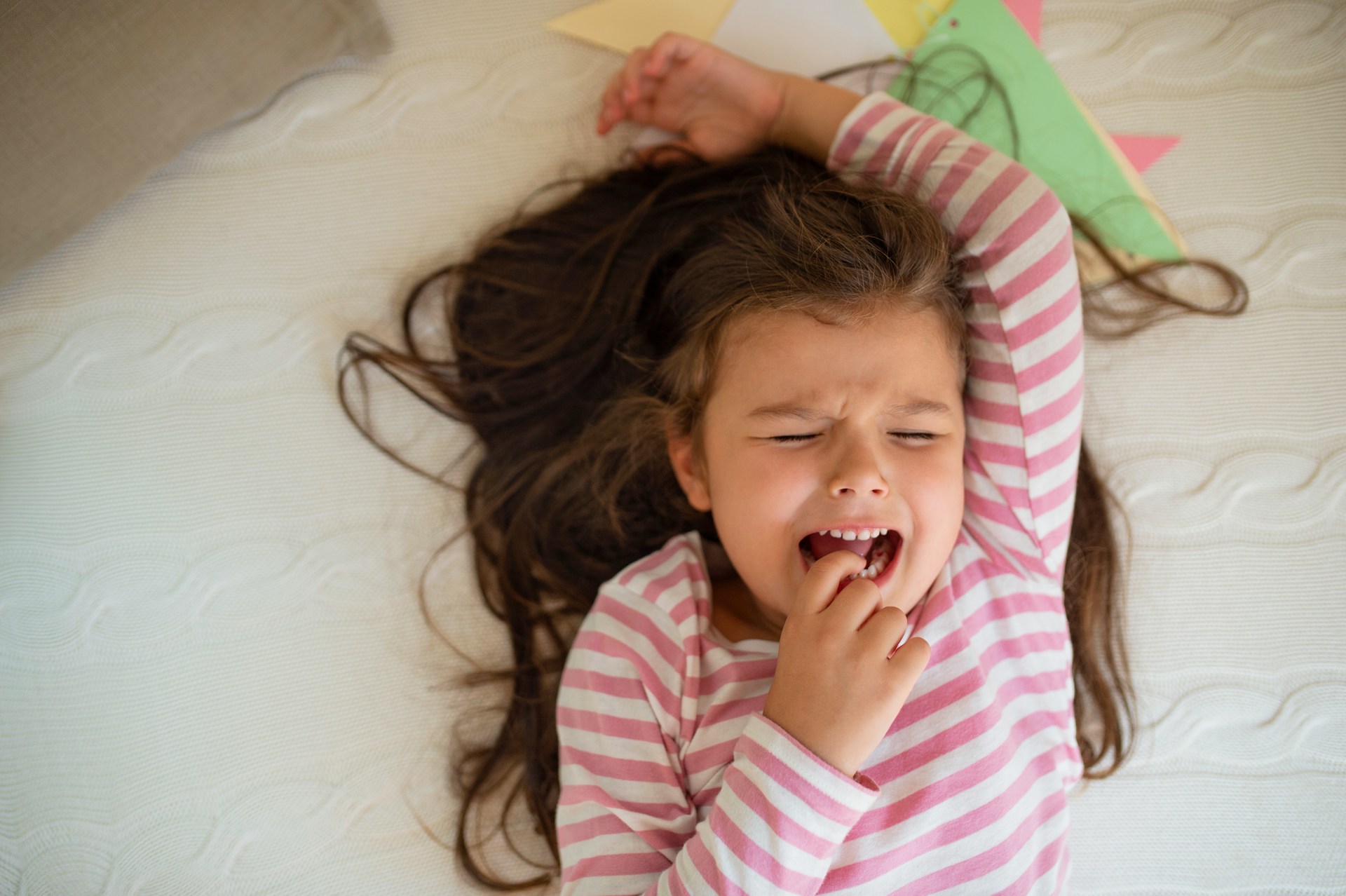
Autism And Loud Noises: Calm, Practical Support
Autism And Loud Noises: Calm, Practical Support
If your child presses their hands over their ears when the hand dryer roars, or folds in on themselves the moment a supermarket tannoy crackles, you already know how real this is. Autism and loud noises can be a difficult mix, and not because your child is being awkward. Their brain simply takes sound in differently. What most people barely register can land on your child like a slap, and the effort of coping with it, hour after hour, builds a kind of tiredness that is hard to see from the outside.
Many autistic children have sensory differences that make everyday noise feel louder, sharper and more intrusive than it does to the people around them. Over time, that can start to shape where your family feels able to go, and which days feel possible. None of this means you are getting anything wrong.
The good news is that small changes tend to carry a lot of weight: a little warning before a noisy moment, a reliable quiet place to retreat to, and a steady response from the grown-ups nearby. Most of what follows costs nothing more than a bit of planning.
If today has been loud and your child is still rattled, a familiar sound they already know can help them find their way back down. HushAway® is a screen-free audio library made for sensitive and neurodivergent children, and you can try HushAway® free for 14 days to see whether it settles things for your child, with no card needed to begin.
Why everyday sounds can feel so intense
Sound sensitivity is not fussiness, and it is not drama. It comes from real differences in how the brain takes in sound and decides, in a split second, whether that sound is worth reacting to.
Sensory processing differences
Most brains filter constantly. The hum of the fridge, the traffic outside, someone shuffling papers nearby, all of it gets turned down in the background so you can focus on what matters. For many autistic people that automatic filtering works differently, and sounds arrive with roughly equal importance, all at once. So when your child tells you the classroom is “too loud”, they are describing something accurate. They are hearing the strip lights buzzing, thirty chairs scraping and the corridor beyond the door, every layer at full volume. If you would like to understand this more deeply, our guide to sound sensitivity in children walks through what is happening and why.
Hypersensitivity, hyposensitivity and sound-seeking
Sound sensitivity is not one fixed thing. It sits on a range, and your child may land in a different place on different days. Some sounds feel painfully loud or sharp, which is what people mean by hypersensitivity. At other times certain input barely registers, so your child might not respond when you call their name in a busy room. And then there is sound-seeking, where a child hums, taps, or replays the same clip over and over.
If sound is so hard, why would a child make more of it? Because self-made sound is predictable. Your child knows exactly when it will start and stop, and that control feels steadying when everything else is noisy and out of their hands. Many autistic children move through all three in the same afternoon. That is not inconsistency. It is a nervous system adjusting to whatever the moment is asking of it.
When sound feels like a threat
Sound is not only processed as information. It also passes through the brain's threat-detection system, the part that spots danger before you have consciously worked out what happened. When a fire alarm goes off, your body reacts before your mind catches up. For many autistic people that alarm seems to trip more readily, set off by noise that others would barely notice. Once it fires, heart rate climbs, muscles tense and breathing quickens. Your child is now in a real stress response, and it is not something they can talk themselves out of. That is why “it's only the hoover” rarely helps, and why lowering the noise almost always does.
Spotting the early signs
Noticing the pattern is half the work. Once you know which sounds are hard for your child, and what they look like in the ten minutes before things tip over, you can step in earlier, when a small change is still enough.
Why covering ears is a message
Behaviour is communication. Before your child has the words for “this is too much”, their body says it for them. An autistic child who covers their ears, presses their hands to the sides of their head, hunches their shoulders or heads straight for the door is telling you something clearly. You might also see them go very still, turn away from people, or start rocking, pacing or humming more than usual. Repetitive movement often ramps up as overload builds, and it is your child trying to steady themselves. Treat it as a helpful signal rather than a habit to stop.
Meltdown and shutdown
When the input outruns what a child can manage, one of two things usually follows. A meltdown is outward: crying, shouting, hitting out, running. It is not a tantrum. A tantrum has a goal and stops when the goal is met, whereas a meltdown is a nervous system that has simply run out of room, and it keeps going until the pressure eases. A shutdown is the quieter version, turned inward. Your child might go silent, curl up small or seem suddenly switched off. In a classroom this can be mistaken for good behaviour, which is exactly why it so often goes unnoticed. Neither comes from nowhere. There is almost always a build-up, and those early signs are your window. If this is a regular part of your week, our complete guide to sensory overload in children may help you map your child's particular pattern.
What to do in the moment
When things have already tipped over, this is not the time to teach anything. The aim is simply to turn the volume down, drop the demands, and let your child's body come back at its own pace.
A few things tend to help most:
Use very few words, or none at all. “Let's go.” “I'm here.” Long explanations only add more to process.
Move towards a quieter space: the car, a stairwell, outside, a side corridor, anywhere with fewer competing sounds.
Drop every non-essential demand. Shoes, coats, saying goodbye, finishing the shop. It can all wait.
Do not ask for eye contact or answers. Both take effort your child does not have spare right now.
Stay close and low. Sitting down beside your child is far less confronting than standing over them.
Leaving somewhere early is a good outcome, not a failed trip. You are protecting your child from a much longer recovery, and you are showing them that speaking up about noise gets a helpful response. Afterwards, allow more recovery time than you think you will need. Many children need anywhere from half an hour to the rest of the day of low demand before they feel like themselves again. Save any gentle chat about what happened for the next day, side by side in the car perhaps, never in the middle of the storm.
Building support into ordinary days
Most of the real progress happens between the hard moments, in the quiet work of adjusting the environment and having the right things to hand. A written plan, a well-stocked bag, a bit of thought before busy outings and a school that understands: those four things carry most of the load.
A simple sensory plan
A sensory plan is just a written picture of what helps and what hinders for your particular child. You can sketch one on a single side of paper: the sounds that are hard, listed specifically (“hand dryers in public toilets”, not “loud noises”), the sounds that help, the early signs of overload in the order you tend to see them, and what works at each stage. Share it with school, grandparents, childminders and clubs. Everyone responding the same way is worth more than any single clever trick. Sound itself can be part of the plan, and our look at why sound works as a sensory tool explains how a steady, chosen soundscape can give the ears something predictable to hold on to during homework, the after-school wind-down or bedtime.
Ear defenders, earplugs and background sound
Ear defenders are not a crutch. They are access equipment, much like glasses, and noise-cancelling headphones or ear defenders can make busy places feel far more manageable. Keep a pair in the bag, the car or at school. Older children who feel self-conscious often prefer filtered earplugs, which are more discreet. A word of care, though: audiology services generally advise against wearing ear defenders all day every day for ordinary noise, because ears adjust to whatever level they usually get, and everyday sound can start to feel louder when the defenders come off. The middle path most families settle on is to save ear defenders for truly loud events, and lean on preparation, quiet spaces and familiar background sound the rest of the time.
Complete silence can actually make some children's ears feel more alert to the next sound, so soft, familiar audio often works better than nothing at all. A fan, rainfall, or a slow, chosen track gives the ears something steady to settle on. Many families keep a short, predictable minute or two of calming sound running before a known noisy moment, so there is already something soothing in place rather than scrambling for it once distress has hit. Used as part of the daily rhythm rather than only mid-wobble, that kind of calming sound for sensory overload tends to do far more good.
Busy places and school
Preparation helps more than anything you can do once you have arrived. Tell your child where you are going, how long for and what the noise will be like, agree a signal that means “I need to leave”, and honour it every single time so it stays trustworthy. Choose quieter slots where you can, such as early-morning supermarkets or the first cinema showing, and remember that many UK cinemas, museums and soft play centres now run relaxed, sensory-friendly sessions. Keep trips short and end while things are still going well.
School is often the noisiest part of a child's day, and many children hold it all in until they get home. If that sounds familiar, it is worth raising even if staff say your child seems fine with them. Reasonable adjustments might include permission to wear ear defenders in class and corridors, a quiet place your child can go to without having to ask, advance warning of fire alarm tests, and a seat away from the door and the noisiest group. In England this usually sits within SEN support or an EHC plan, with different names across Scotland, Wales and Northern Ireland. Sound sensitivity, ADHD and anxiety often travel together, and the same adjustments tend to help across all of them.
When extra support may help
You do not have to carry all of this alone, and asking for help is not an admission that something is wrong. Book a GP or paediatrician appointment if sound sensitivity is limiting where your child can go, affecting sleep or school, causing distress most days, or has changed suddenly. It is sensible to rule out ear infections or glue ear first, as these can change how sound is experienced.
An audiologist can check hearing and sound tolerance, since a child can have excellent hearing and still find noise painful. An occupational therapist with sensory integration training can map your child's profile and suggest practical strategies for home and school, and for older children, talking therapies adapted for autistic young people can ease the worry that builds up around noise. Some of the most useful help, though, comes from other parents. The National Autistic Society has branches across the UK, and most areas have a Parent Carer Forum where someone can tell you which local pool runs quiet sessions.
Try HushAway® free for 14 days The HushAway® Sound Sanctuary for calm and peace is a library of soothing bedtime stories, calming soundscapes and gentle guided audio, made for sensitive and neurodivergent children. It works best woven into the everyday, played during homework, the after-school reset or the wind-down to sleep, so a familiar, screen-free sound is already in place long before the next noisy moment arrives. Try it and see whether it helps your child feel steadier. Start your free 14-day trial. No card is needed, and there is no pressure at all. |
If your child presses their hands over their ears when the hand dryer roars, or folds in on themselves the moment a supermarket tannoy crackles, you already know how real this is. Autism and loud noises can be a difficult mix, and not because your child is being awkward. Their brain simply takes sound in differently. What most people barely register can land on your child like a slap, and the effort of coping with it, hour after hour, builds a kind of tiredness that is hard to see from the outside.
Many autistic children have sensory differences that make everyday noise feel louder, sharper and more intrusive than it does to the people around them. Over time, that can start to shape where your family feels able to go, and which days feel possible. None of this means you are getting anything wrong.
The good news is that small changes tend to carry a lot of weight: a little warning before a noisy moment, a reliable quiet place to retreat to, and a steady response from the grown-ups nearby. Most of what follows costs nothing more than a bit of planning.
If today has been loud and your child is still rattled, a familiar sound they already know can help them find their way back down. HushAway® is a screen-free audio library made for sensitive and neurodivergent children, and you can try HushAway® free for 14 days to see whether it settles things for your child, with no card needed to begin.
Why everyday sounds can feel so intense
Sound sensitivity is not fussiness, and it is not drama. It comes from real differences in how the brain takes in sound and decides, in a split second, whether that sound is worth reacting to.
Sensory processing differences
Most brains filter constantly. The hum of the fridge, the traffic outside, someone shuffling papers nearby, all of it gets turned down in the background so you can focus on what matters. For many autistic people that automatic filtering works differently, and sounds arrive with roughly equal importance, all at once. So when your child tells you the classroom is “too loud”, they are describing something accurate. They are hearing the strip lights buzzing, thirty chairs scraping and the corridor beyond the door, every layer at full volume. If you would like to understand this more deeply, our guide to sound sensitivity in children walks through what is happening and why.
Hypersensitivity, hyposensitivity and sound-seeking
Sound sensitivity is not one fixed thing. It sits on a range, and your child may land in a different place on different days. Some sounds feel painfully loud or sharp, which is what people mean by hypersensitivity. At other times certain input barely registers, so your child might not respond when you call their name in a busy room. And then there is sound-seeking, where a child hums, taps, or replays the same clip over and over.
If sound is so hard, why would a child make more of it? Because self-made sound is predictable. Your child knows exactly when it will start and stop, and that control feels steadying when everything else is noisy and out of their hands. Many autistic children move through all three in the same afternoon. That is not inconsistency. It is a nervous system adjusting to whatever the moment is asking of it.
When sound feels like a threat
Sound is not only processed as information. It also passes through the brain's threat-detection system, the part that spots danger before you have consciously worked out what happened. When a fire alarm goes off, your body reacts before your mind catches up. For many autistic people that alarm seems to trip more readily, set off by noise that others would barely notice. Once it fires, heart rate climbs, muscles tense and breathing quickens. Your child is now in a real stress response, and it is not something they can talk themselves out of. That is why “it's only the hoover” rarely helps, and why lowering the noise almost always does.
Spotting the early signs
Noticing the pattern is half the work. Once you know which sounds are hard for your child, and what they look like in the ten minutes before things tip over, you can step in earlier, when a small change is still enough.
Why covering ears is a message
Behaviour is communication. Before your child has the words for “this is too much”, their body says it for them. An autistic child who covers their ears, presses their hands to the sides of their head, hunches their shoulders or heads straight for the door is telling you something clearly. You might also see them go very still, turn away from people, or start rocking, pacing or humming more than usual. Repetitive movement often ramps up as overload builds, and it is your child trying to steady themselves. Treat it as a helpful signal rather than a habit to stop.
Meltdown and shutdown
When the input outruns what a child can manage, one of two things usually follows. A meltdown is outward: crying, shouting, hitting out, running. It is not a tantrum. A tantrum has a goal and stops when the goal is met, whereas a meltdown is a nervous system that has simply run out of room, and it keeps going until the pressure eases. A shutdown is the quieter version, turned inward. Your child might go silent, curl up small or seem suddenly switched off. In a classroom this can be mistaken for good behaviour, which is exactly why it so often goes unnoticed. Neither comes from nowhere. There is almost always a build-up, and those early signs are your window. If this is a regular part of your week, our complete guide to sensory overload in children may help you map your child's particular pattern.
What to do in the moment
When things have already tipped over, this is not the time to teach anything. The aim is simply to turn the volume down, drop the demands, and let your child's body come back at its own pace.
A few things tend to help most:
Use very few words, or none at all. “Let's go.” “I'm here.” Long explanations only add more to process.
Move towards a quieter space: the car, a stairwell, outside, a side corridor, anywhere with fewer competing sounds.
Drop every non-essential demand. Shoes, coats, saying goodbye, finishing the shop. It can all wait.
Do not ask for eye contact or answers. Both take effort your child does not have spare right now.
Stay close and low. Sitting down beside your child is far less confronting than standing over them.
Leaving somewhere early is a good outcome, not a failed trip. You are protecting your child from a much longer recovery, and you are showing them that speaking up about noise gets a helpful response. Afterwards, allow more recovery time than you think you will need. Many children need anywhere from half an hour to the rest of the day of low demand before they feel like themselves again. Save any gentle chat about what happened for the next day, side by side in the car perhaps, never in the middle of the storm.
Building support into ordinary days
Most of the real progress happens between the hard moments, in the quiet work of adjusting the environment and having the right things to hand. A written plan, a well-stocked bag, a bit of thought before busy outings and a school that understands: those four things carry most of the load.
A simple sensory plan
A sensory plan is just a written picture of what helps and what hinders for your particular child. You can sketch one on a single side of paper: the sounds that are hard, listed specifically (“hand dryers in public toilets”, not “loud noises”), the sounds that help, the early signs of overload in the order you tend to see them, and what works at each stage. Share it with school, grandparents, childminders and clubs. Everyone responding the same way is worth more than any single clever trick. Sound itself can be part of the plan, and our look at why sound works as a sensory tool explains how a steady, chosen soundscape can give the ears something predictable to hold on to during homework, the after-school wind-down or bedtime.
Ear defenders, earplugs and background sound
Ear defenders are not a crutch. They are access equipment, much like glasses, and noise-cancelling headphones or ear defenders can make busy places feel far more manageable. Keep a pair in the bag, the car or at school. Older children who feel self-conscious often prefer filtered earplugs, which are more discreet. A word of care, though: audiology services generally advise against wearing ear defenders all day every day for ordinary noise, because ears adjust to whatever level they usually get, and everyday sound can start to feel louder when the defenders come off. The middle path most families settle on is to save ear defenders for truly loud events, and lean on preparation, quiet spaces and familiar background sound the rest of the time.
Complete silence can actually make some children's ears feel more alert to the next sound, so soft, familiar audio often works better than nothing at all. A fan, rainfall, or a slow, chosen track gives the ears something steady to settle on. Many families keep a short, predictable minute or two of calming sound running before a known noisy moment, so there is already something soothing in place rather than scrambling for it once distress has hit. Used as part of the daily rhythm rather than only mid-wobble, that kind of calming sound for sensory overload tends to do far more good.
Busy places and school
Preparation helps more than anything you can do once you have arrived. Tell your child where you are going, how long for and what the noise will be like, agree a signal that means “I need to leave”, and honour it every single time so it stays trustworthy. Choose quieter slots where you can, such as early-morning supermarkets or the first cinema showing, and remember that many UK cinemas, museums and soft play centres now run relaxed, sensory-friendly sessions. Keep trips short and end while things are still going well.
School is often the noisiest part of a child's day, and many children hold it all in until they get home. If that sounds familiar, it is worth raising even if staff say your child seems fine with them. Reasonable adjustments might include permission to wear ear defenders in class and corridors, a quiet place your child can go to without having to ask, advance warning of fire alarm tests, and a seat away from the door and the noisiest group. In England this usually sits within SEN support or an EHC plan, with different names across Scotland, Wales and Northern Ireland. Sound sensitivity, ADHD and anxiety often travel together, and the same adjustments tend to help across all of them.
When extra support may help
You do not have to carry all of this alone, and asking for help is not an admission that something is wrong. Book a GP or paediatrician appointment if sound sensitivity is limiting where your child can go, affecting sleep or school, causing distress most days, or has changed suddenly. It is sensible to rule out ear infections or glue ear first, as these can change how sound is experienced.
An audiologist can check hearing and sound tolerance, since a child can have excellent hearing and still find noise painful. An occupational therapist with sensory integration training can map your child's profile and suggest practical strategies for home and school, and for older children, talking therapies adapted for autistic young people can ease the worry that builds up around noise. Some of the most useful help, though, comes from other parents. The National Autistic Society has branches across the UK, and most areas have a Parent Carer Forum where someone can tell you which local pool runs quiet sessions.
Try HushAway® free for 14 days The HushAway® Sound Sanctuary for calm and peace is a library of soothing bedtime stories, calming soundscapes and gentle guided audio, made for sensitive and neurodivergent children. It works best woven into the everyday, played during homework, the after-school reset or the wind-down to sleep, so a familiar, screen-free sound is already in place long before the next noisy moment arrives. Try it and see whether it helps your child feel steadier. Start your free 14-day trial. No card is needed, and there is no pressure at all. |
Make tomorrow feel easier
Whether it’s bedtime battles, big emotions or sensory overload, small sound moments can bring your child the reassurance and stability they need.



Make tomorrow feel easier
Whether it’s bedtime battles, big emotions or sensory overload, small sound moments can bring your child the reassurance and stability they need.
Make tomorrow feel easier
Whether it’s bedtime battles, big emotions or sensory overload, small sound moments can bring your child the reassurance and stability they need.
Why do loud noises bother autistic children?
Autistic brains often take in more sound at once, with less of the automatic filtering that lets most people tune out background noise. Sound can also trip the brain's threat-detection system more readily, which sets off a real physical stress response: a racing heart, tense muscles, fast breathing. It is a difference in how the nervous system is wired, not a choice your child is making, which is why reducing the noise helps far more than asking them to cope with it.
Why does my child cover their ears?
Covering their ears is your child protecting themselves and, at the same time, telling you that a sound is too much. It often appears before they have the words to explain, so it is worth treating as clear communication rather than a habit to discourage. When you see it, lower the noise if you can, cut back on talking and questions, and help your child move somewhere calmer. Responding to the signal every time teaches them that letting you know works.
How do I help in loud places?
Prepare before you go. Tell your child where you are heading, how long for and what it will sound like, and agree a signal that means they need to leave. Choose quieter times of day, keep visits short, and pack a few familiar supports such as ear defenders, a fidget and a snack. Leave while things are still going well rather than pushing on to the end. A short, positive outing builds more confidence than a longer one that unravels, and honouring the exit signal every time keeps your child trusting it.
Do ear defenders help?
For many children they help a great deal, and they are best thought of as access equipment rather than a crutch. The useful approach is to save them for truly loud events, such as fireworks, concerts or a busy sports hall, rather than wearing them all day for ordinary noise. Ears adjust to whatever level they are used to, so constant daily use can leave everyday sound feeling louder once the defenders come off. Let your child be in charge of putting them on and taking them off, and keep a pair handy for the moments that call for them.
Can calming sound help too?
It often can, especially as part of the daily rhythm rather than only in a crisis. Complete silence can leave some children's ears more alert to the next sudden noise, so a soft, familiar soundscape gives them something steady to settle on instead. Used consistently, during homework, the after-school wind-down or bedtime, that sound becomes a cue your child recognises, so a little calm is already in place before a hard moment arrives. You might explore calming sounds that suit many children, including those with ADHD to find what fits your child best.
Why do loud noises bother autistic children?
Autistic brains often take in more sound at once, with less of the automatic filtering that lets most people tune out background noise. Sound can also trip the brain's threat-detection system more readily, which sets off a real physical stress response: a racing heart, tense muscles, fast breathing. It is a difference in how the nervous system is wired, not a choice your child is making, which is why reducing the noise helps far more than asking them to cope with it.
Why does my child cover their ears?
Covering their ears is your child protecting themselves and, at the same time, telling you that a sound is too much. It often appears before they have the words to explain, so it is worth treating as clear communication rather than a habit to discourage. When you see it, lower the noise if you can, cut back on talking and questions, and help your child move somewhere calmer. Responding to the signal every time teaches them that letting you know works.
How do I help in loud places?
Prepare before you go. Tell your child where you are heading, how long for and what it will sound like, and agree a signal that means they need to leave. Choose quieter times of day, keep visits short, and pack a few familiar supports such as ear defenders, a fidget and a snack. Leave while things are still going well rather than pushing on to the end. A short, positive outing builds more confidence than a longer one that unravels, and honouring the exit signal every time keeps your child trusting it.
Do ear defenders help?
For many children they help a great deal, and they are best thought of as access equipment rather than a crutch. The useful approach is to save them for truly loud events, such as fireworks, concerts or a busy sports hall, rather than wearing them all day for ordinary noise. Ears adjust to whatever level they are used to, so constant daily use can leave everyday sound feeling louder once the defenders come off. Let your child be in charge of putting them on and taking them off, and keep a pair handy for the moments that call for them.
Can calming sound help too?
It often can, especially as part of the daily rhythm rather than only in a crisis. Complete silence can leave some children's ears more alert to the next sudden noise, so a soft, familiar soundscape gives them something steady to settle on instead. Used consistently, during homework, the after-school wind-down or bedtime, that sound becomes a cue your child recognises, so a little calm is already in place before a hard moment arrives. You might explore calming sounds that suit many children, including those with ADHD to find what fits your child best.
Founder & Creative Lead - The PeacePath® | Creator of HushAway® Neurodivergent Inclusive Coach | Voice Artist & Storyteller | Sound Therapy Practitioner